Roma in the Labour Market: Companies That Bet on Inclusion Are Growing Today
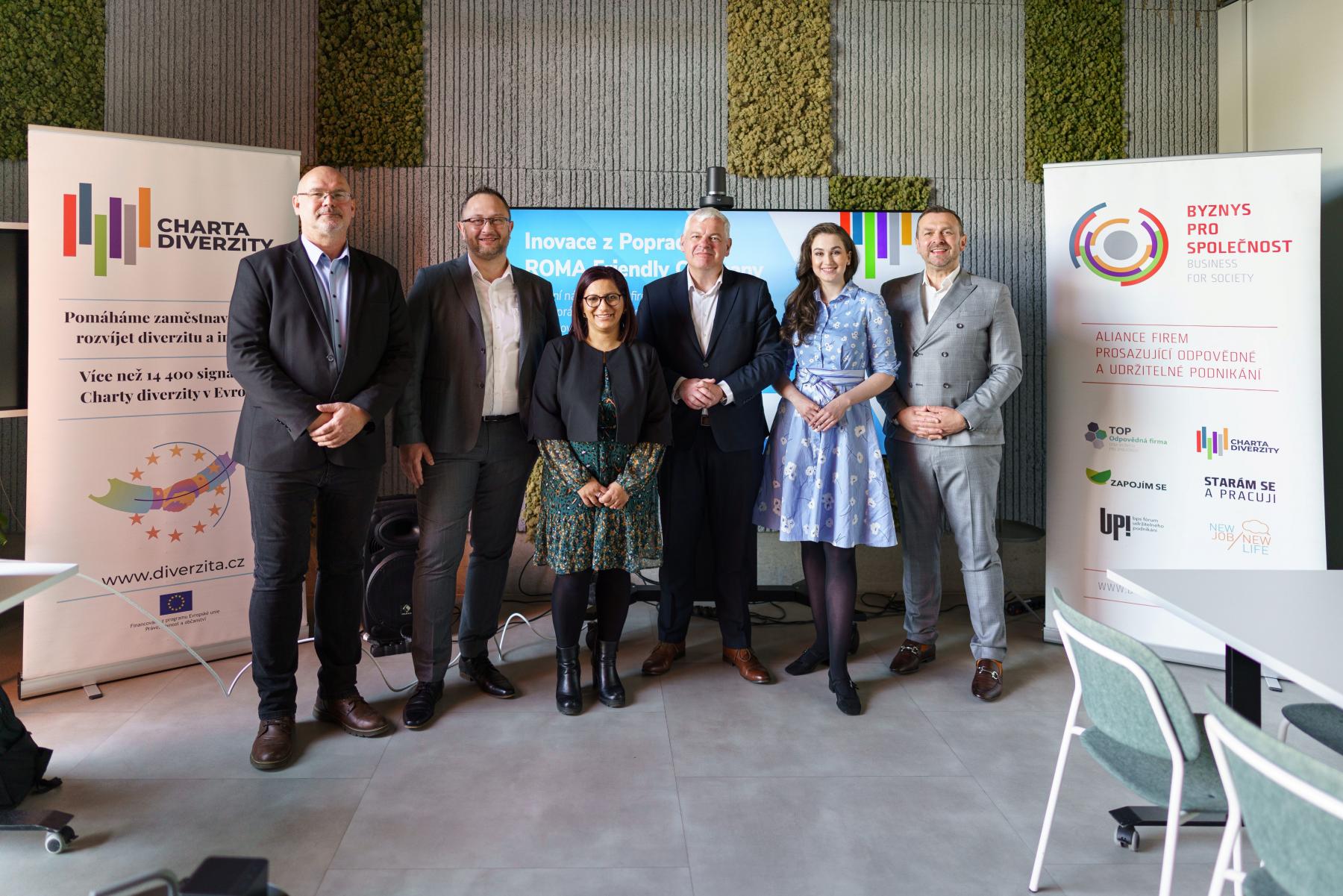
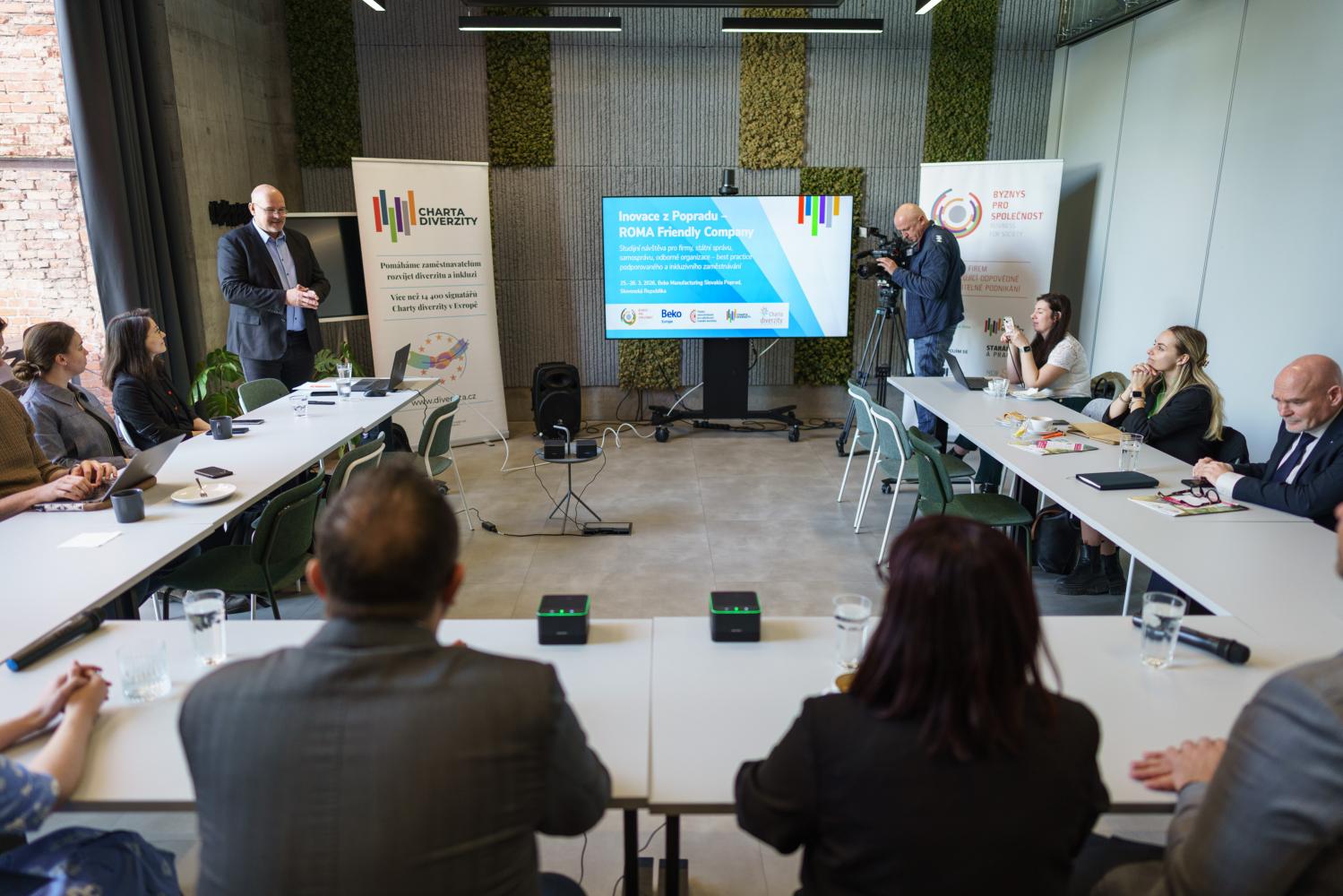
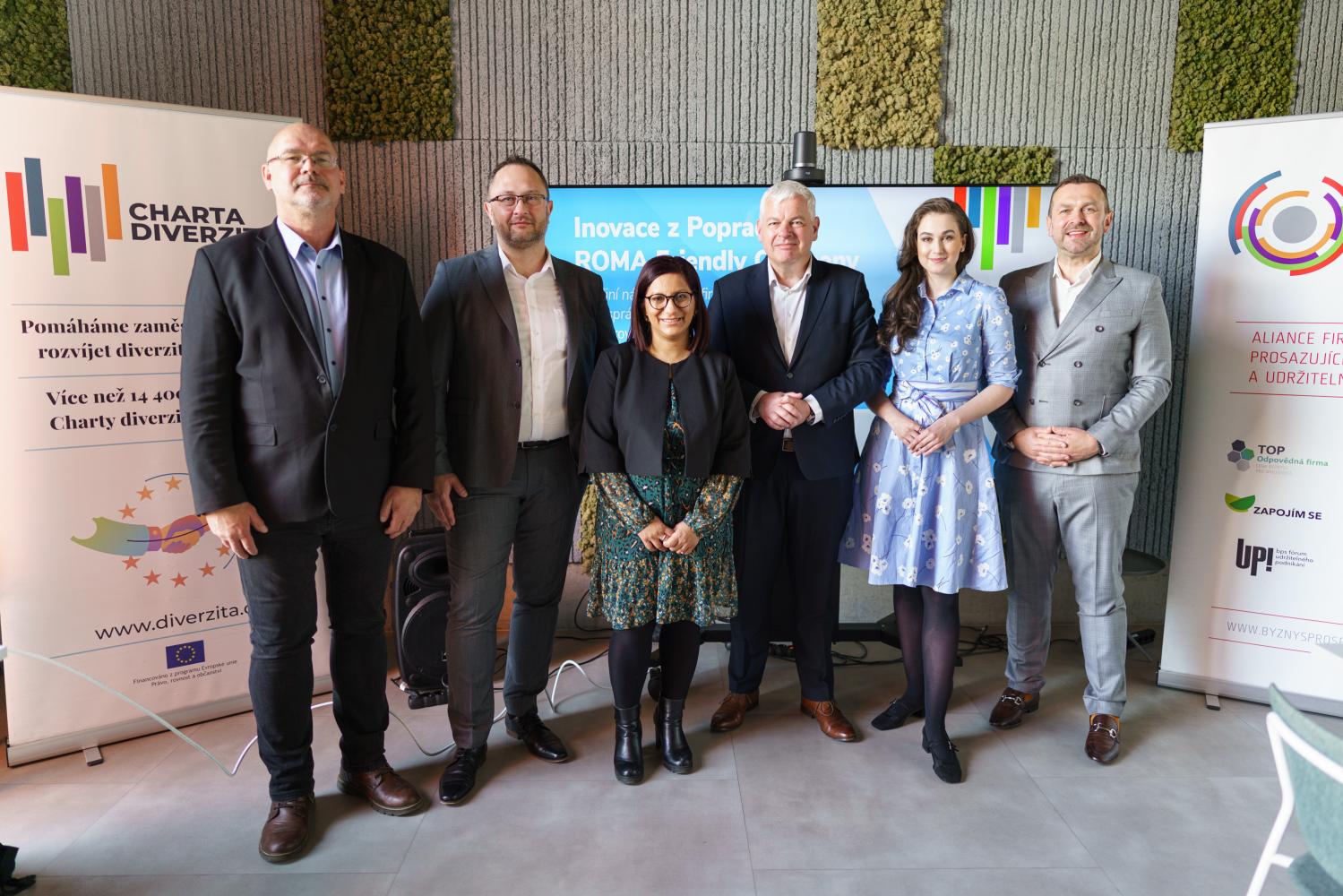
Prague, 9 April 2026 – Employing Roma and other marginalised groups in the labour market is neither a dead end nor charity. For companies that have invested in workplace diversity and inclusion, it is becoming a real answer to labour shortages as well as a source of competitive advantage. This was the main message of a working breakfast with the media, which followed an inspiring visit to Poprad, Slovakia.
The local Beko Manufacturing Slovakia plant shows that inclusion can work on a large scale. Out of nearly one thousand employees, more than 30% are Roma – and the company has been growing steadily as a result.
Equal conditions instead of special programmes
“What did we do differently? Basically nothing,” says CEO Michal Major. According to him, the key is a simple principle: all employees have the same conditions.
The absence of special arrangements proved to be crucial. Although the company addressed practical barriers – from onboarding new employees to debt burdens or hygiene conditions – its basic approach remained the same: fairness and respect. The result? A stable workforce, lower turnover, and an environment where differences gradually stop playing a role.
Without cooperation with employers, change will not happen
Government Commissioner for Roma Minority Affairs Lucie Fuková stressed at the meeting that employers are the key to change. “Without the active involvement of companies, it will not work. Existing strategies are not enough on their own,” she said. Her goal now is to map which employment support programmes actually work – and how to transfer them into the Czech environment. She sees inspiration precisely in concrete examples from practice, such as Beko Europe in Poprad.
Inclusion as a business strategy
Together with the Business for Society platform, the Roma Friendly Company initiative was also launched as one of the categories within the Diversity Charter Awards (link). Its ambition is to motivate companies and employers to be more open and courageous when it comes to employing Roma people. Employing Roma should not be an “experiment”, but a standard – and ideally also a prestigious mark of a good employer. As was said at the meeting, one company’s positive experience often has a greater impact than dozens of recommendations on paper.
Responsible companies, signatories of the Diversity Charter, have been showing innovative directions and approaches in the Czech Republic for more than 10 years in creating welcoming and motivating working conditions for a wide range of employee groups, including marginalised groups.
An opportunity we cannot afford to overlook
The Czech labour market has long been facing a shortage of people. At the same time, there is a group that remains largely “unused”, often because of prejudice and stereotypes. The experience from Poprad shows that change is possible. And that it pays off.
As Pavel Štern, Director of BpS, summed up, we will recognise the successful integration and inclusion of Roma people in the Czech labour market and society only when we have Roma doctors, lawyers, teachers, nurses, scientists, politicians and others – and when we consider that normal.
More articles on this topic you should not miss:
How Employing Roma Strengthens Business, Social Cohesion and Corporate Sustainability
Smart Recruitment – How Training Centres Save Time and Costs
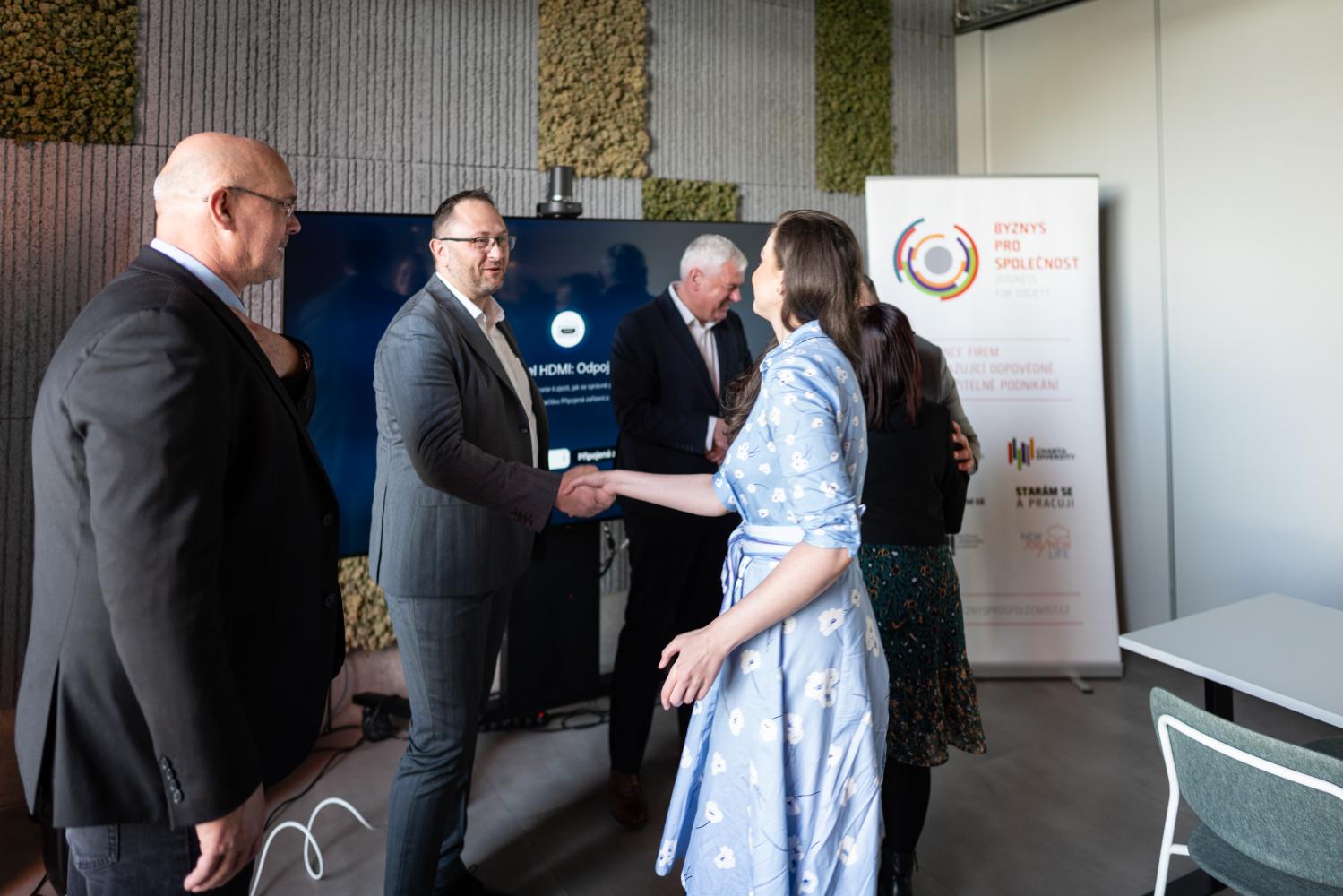
Photogallery
















BPS – Byznys pro společnost, z. s.
V Tůních 1357/11, 2nd floor
Praha 2, 120 00
Tel.: +420 739 717 789
info@byznysprospolecnost.cz
www.byznysprospolecnost.cz
Co-funded by the Rights, Equality and Citizenship Programme of the European Union