Mothers and Fathers Welcome 2026: Parental Leave Reform in Czechia
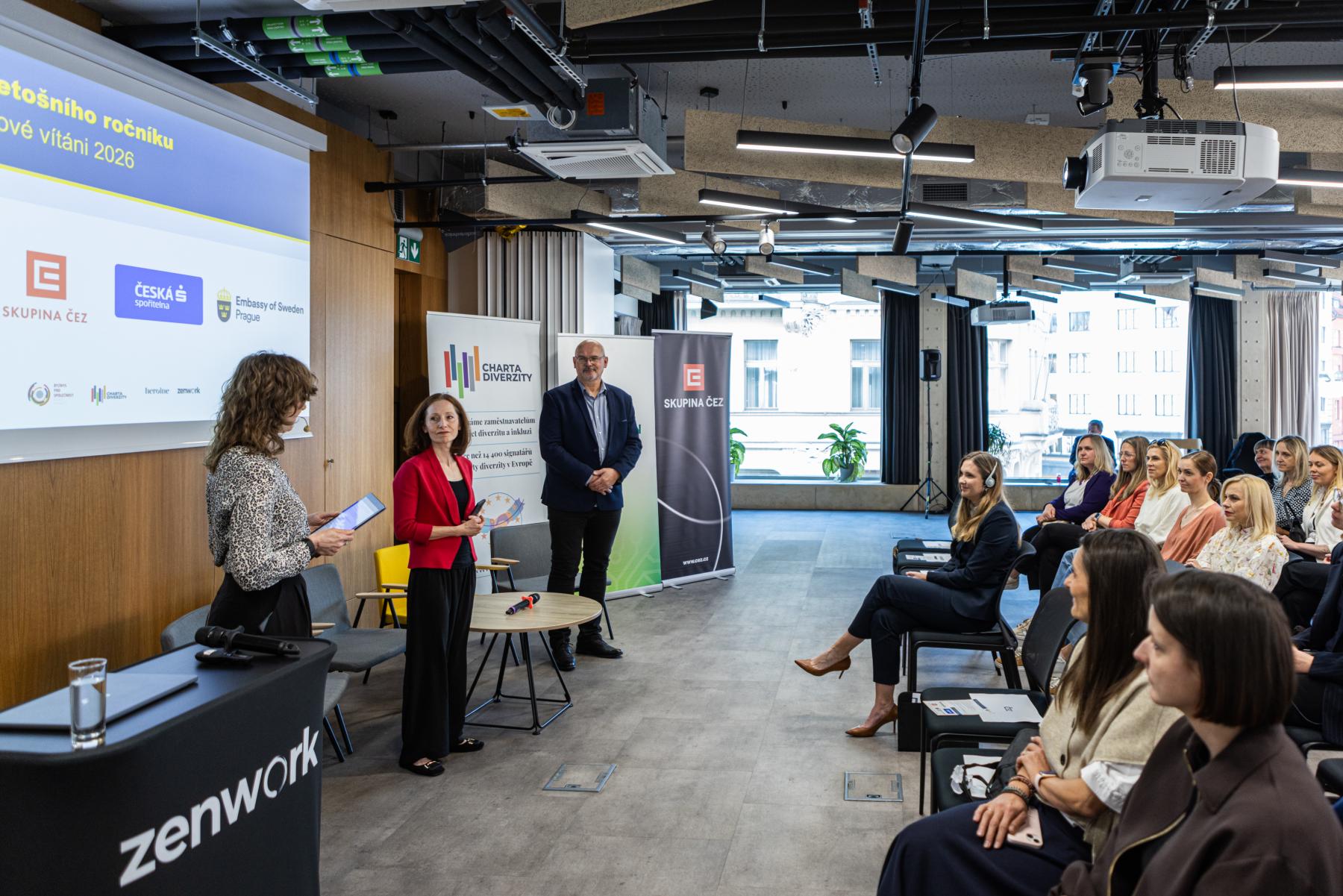
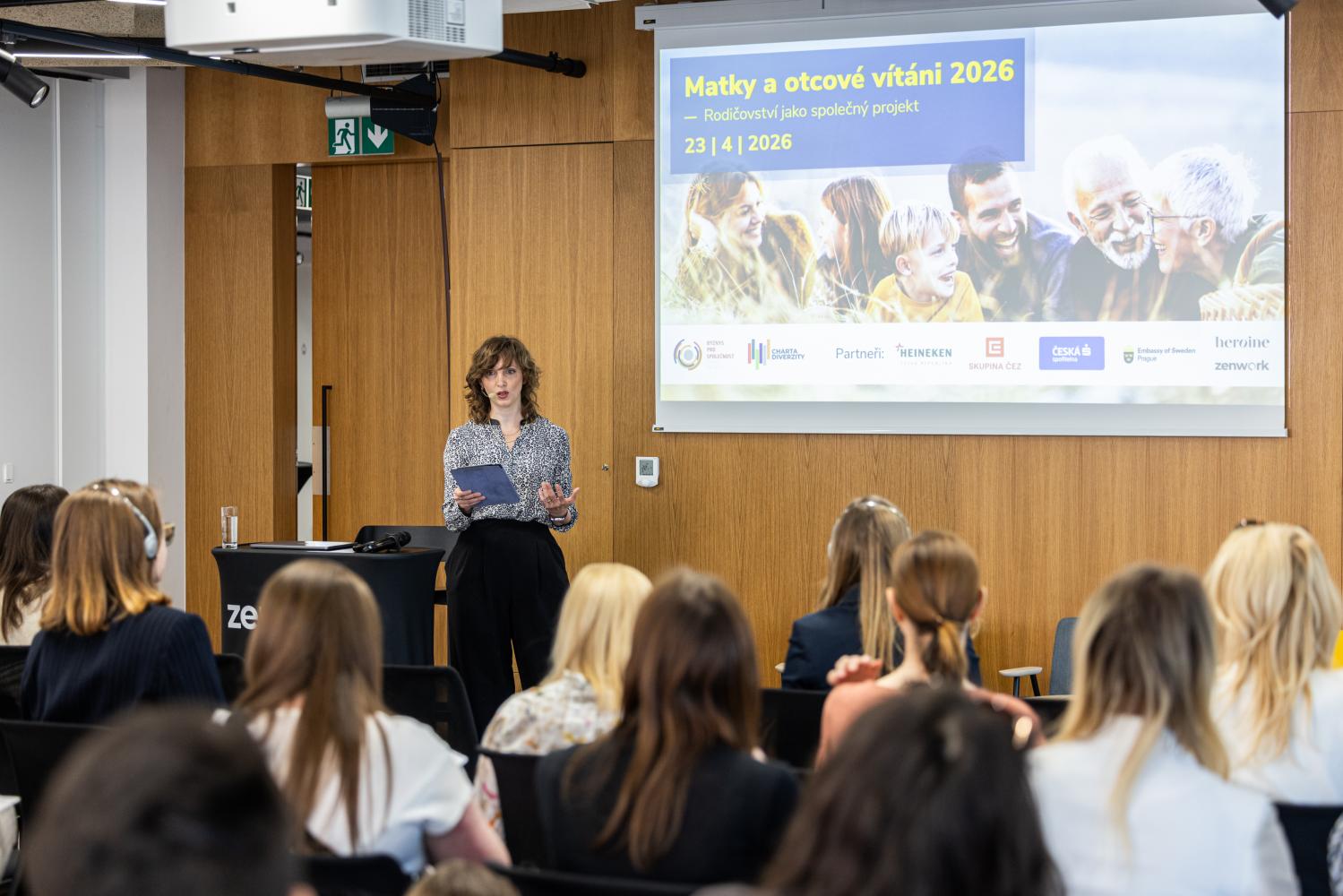
The Mothers and Fathers Welcome 2026 conference showed that the current parental leave system in the Czech Republic no longer reflects the reality of families, the labour market or demographic development. The main topic was the need for systemic change that would help parents, employers and the state.
The Mothers and Fathers Welcome 2026 conference is a space for everyone who shares a common ambition: to move the parental leave system in the Czech Republic forward. The current model is increasingly failing to reflect the reality of the labour market, demographic development, the needs of families and the changing lifestyle of young people.
The central topic was shortening parental leave in Czechia, an issue we already opened comprehensively in 2024, together with a unique economic analysis.
The conference made it clear that the time has come for systemic change in parental leave and that everyone can benefit from it: the state, employers and parents.
Why the current parental leave system is a problem
We have repeatedly written that the system of three-year parental leave, or even longer leave, systematically pushes women, especially mothers, out of the labour market and makes it more difficult for them to return to their original positions.
Women then often accept different jobs, frequently below their qualification level, or move into self-employment. This helps maintain one of the largest gender pay gaps in the EU. In the Czech Republic, the Gender Pay Gap stands at 18.5%.
This has a long-term impact on the total income of mothers throughout their working lives, including their pensions. In practice, once a woman decides to become a mother, she is financially disadvantaged for it.
Economic analysis: shorter parental leave would pay off for the state
As Petr Bartoň’s economic analysis showed, shortening parental leave would bring the state around CZK 35 billion a year without any additional cost. Under the current level of expenditure, everyone would benefit, and this amount would rank among the ten largest items in the state budget.
We will focus on Petr Bartoň’s analysis separately, as it is not only very interesting but also brings key economic facts.
The current parental leave system also limits lower-income families with a low assessment base. These are precisely the families that have to draw parental allowance over a long period and in small amounts.
The change would therefore not only bring more money into the state budget. It could also support the development of preschool childcare, help the Czech labour market, which continues to struggle with a shortage of qualified employees, and increase its flexibility.
The amount of parental allowance would also increase, which would help families and support greater involvement of fathers in childcare.
It is therefore time for an open discussion about systemic change in parental leave in Czechia and stronger support for parents in the labour market.
What else was discussed in the programme
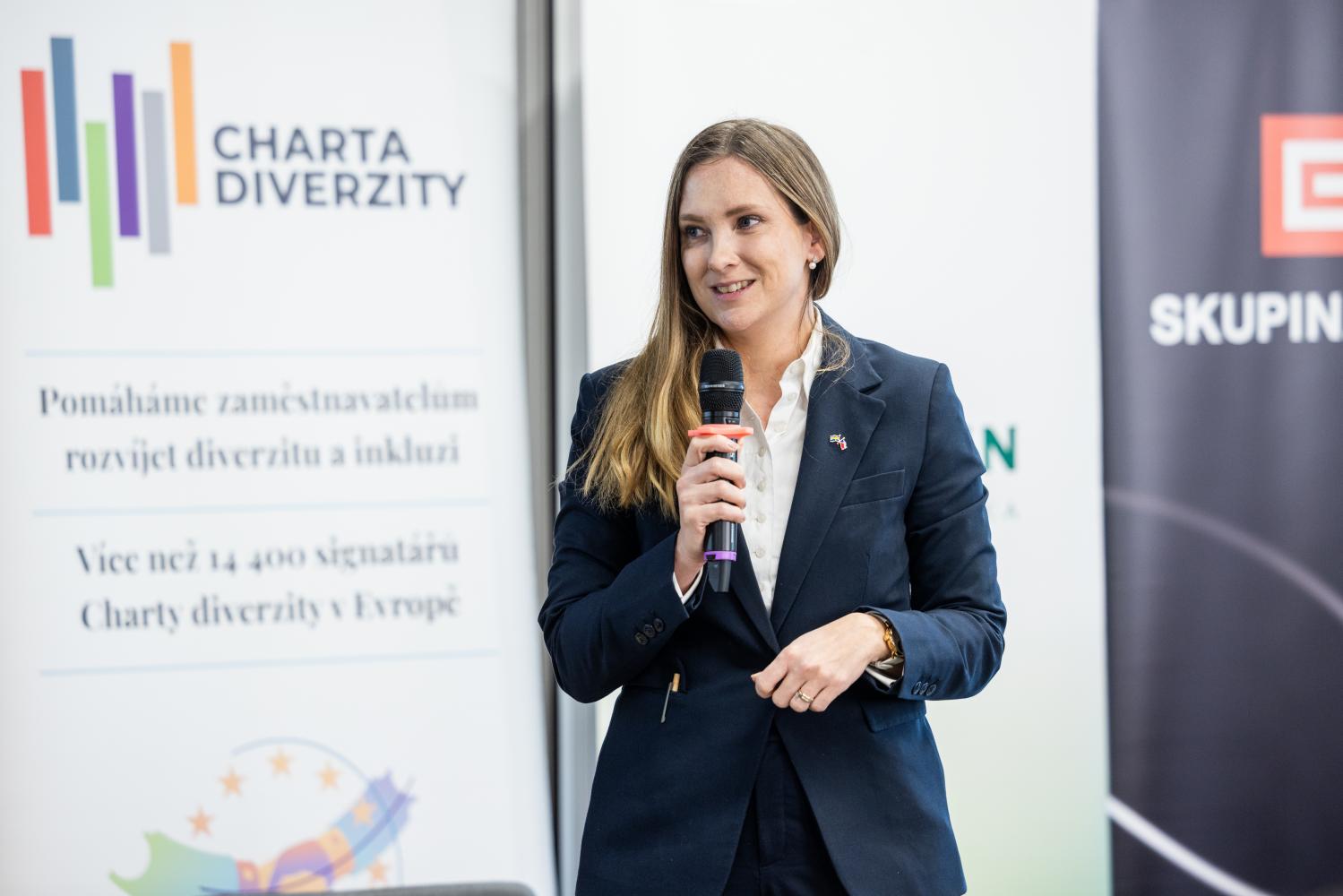
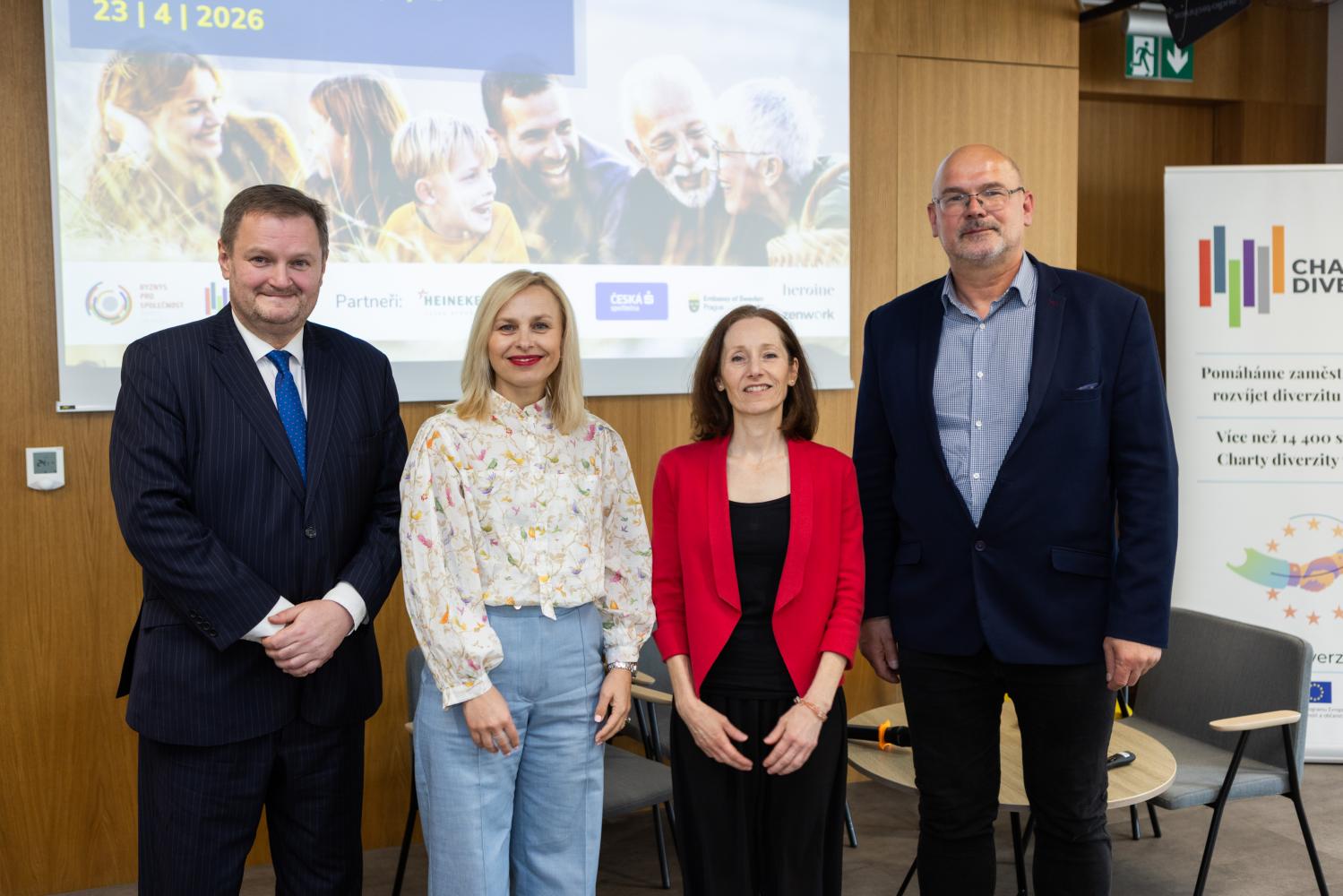
An important guest of the conference was once again Marie Bendegard, Deputy Head of Mission at the Embassy of Sweden in Prague. She presented the first results of the newly introduced “grandparental leave”, a model that allows parental allowance to be transferred to another person.
This model makes it possible to involve grandparents or other people who are not the child’s legal guardians in paid childcare. In Sweden, the project is still at an early stage and is only beginning to be used in practice. However, it has already gained popularity among single parents and grandparents.
We will continue to follow the project and share further information and results. We believe that Czechia could also consider introducing a similar practice, especially as we have a strong tradition of grandparents being involved in childcare, although so far unpaid.
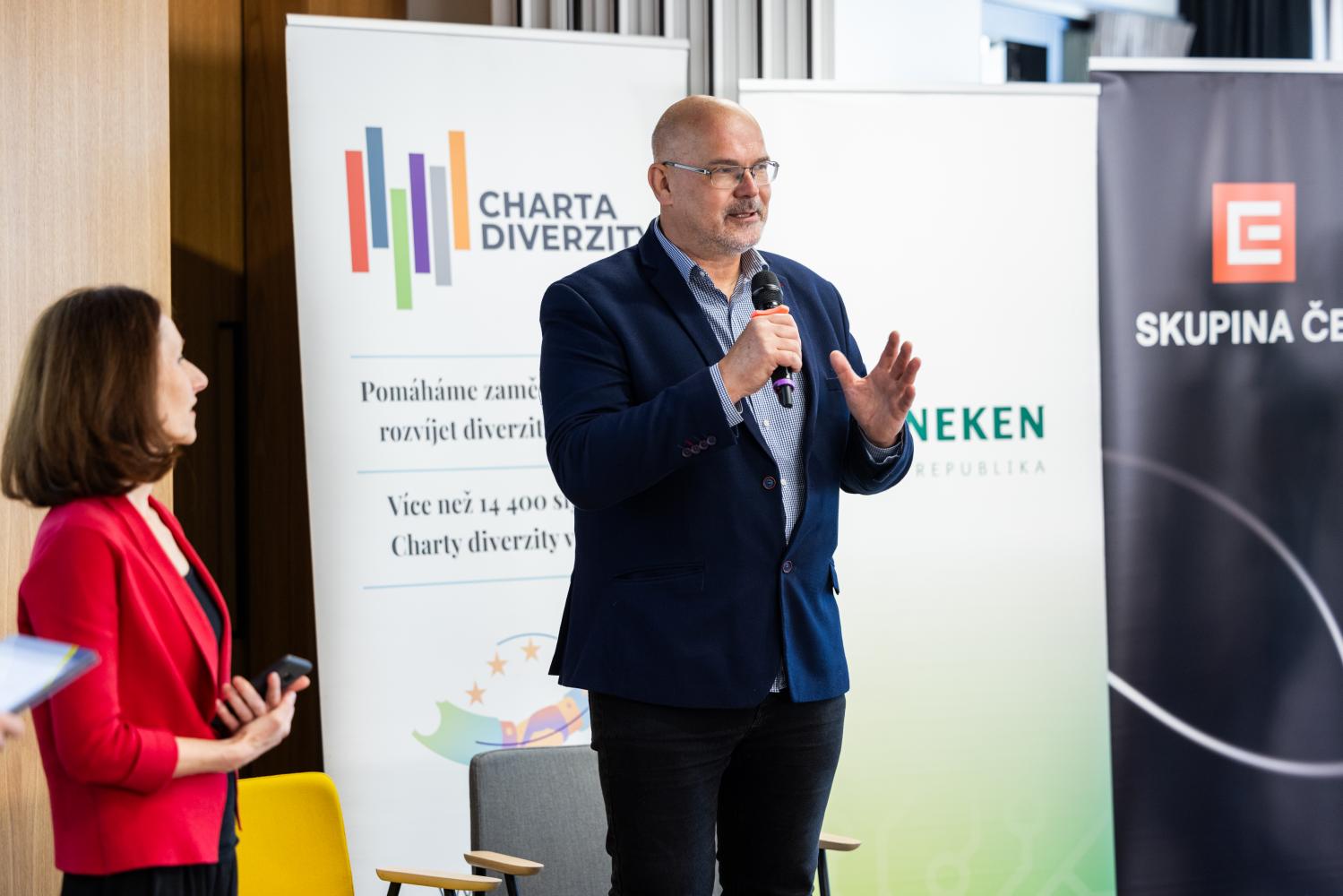
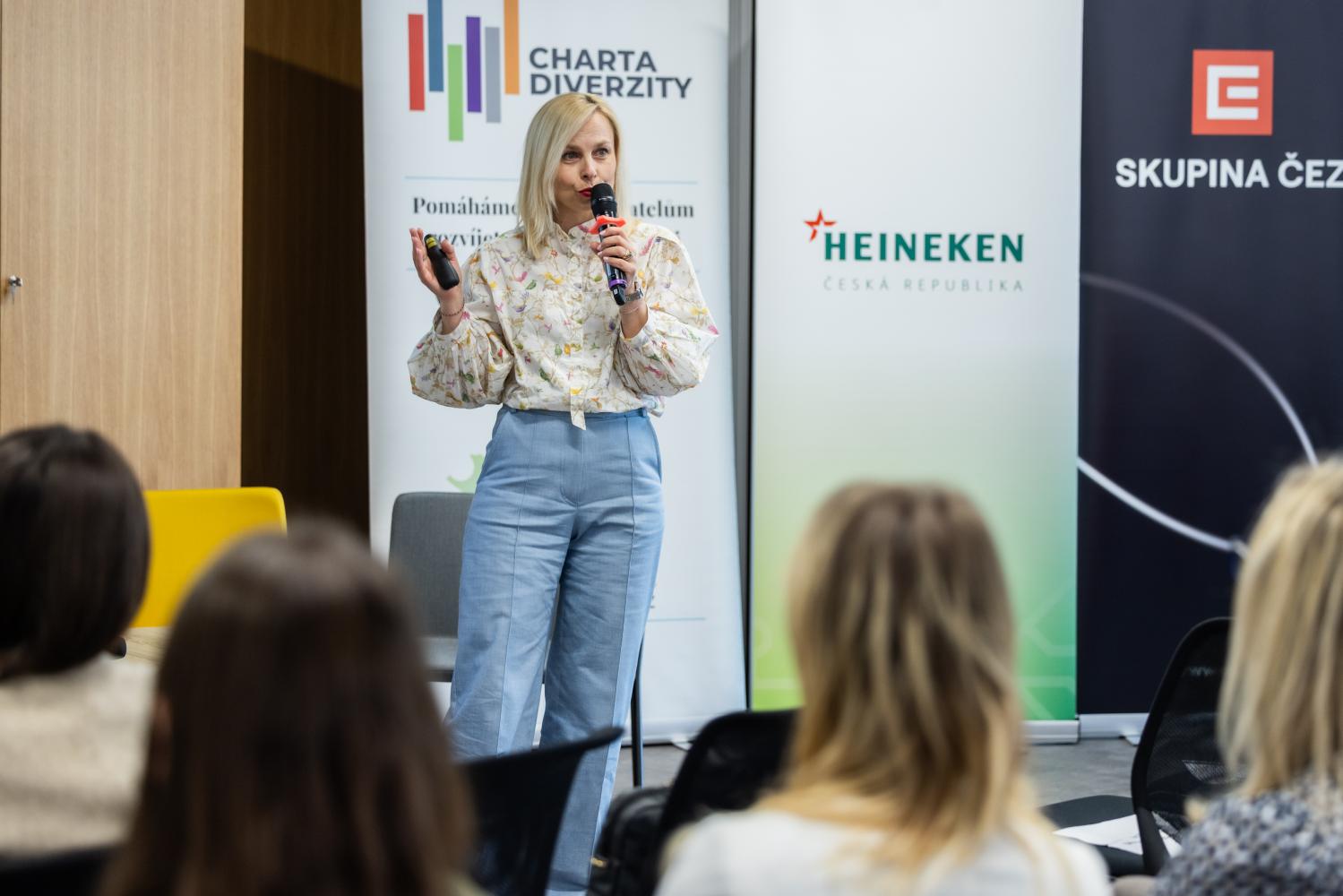
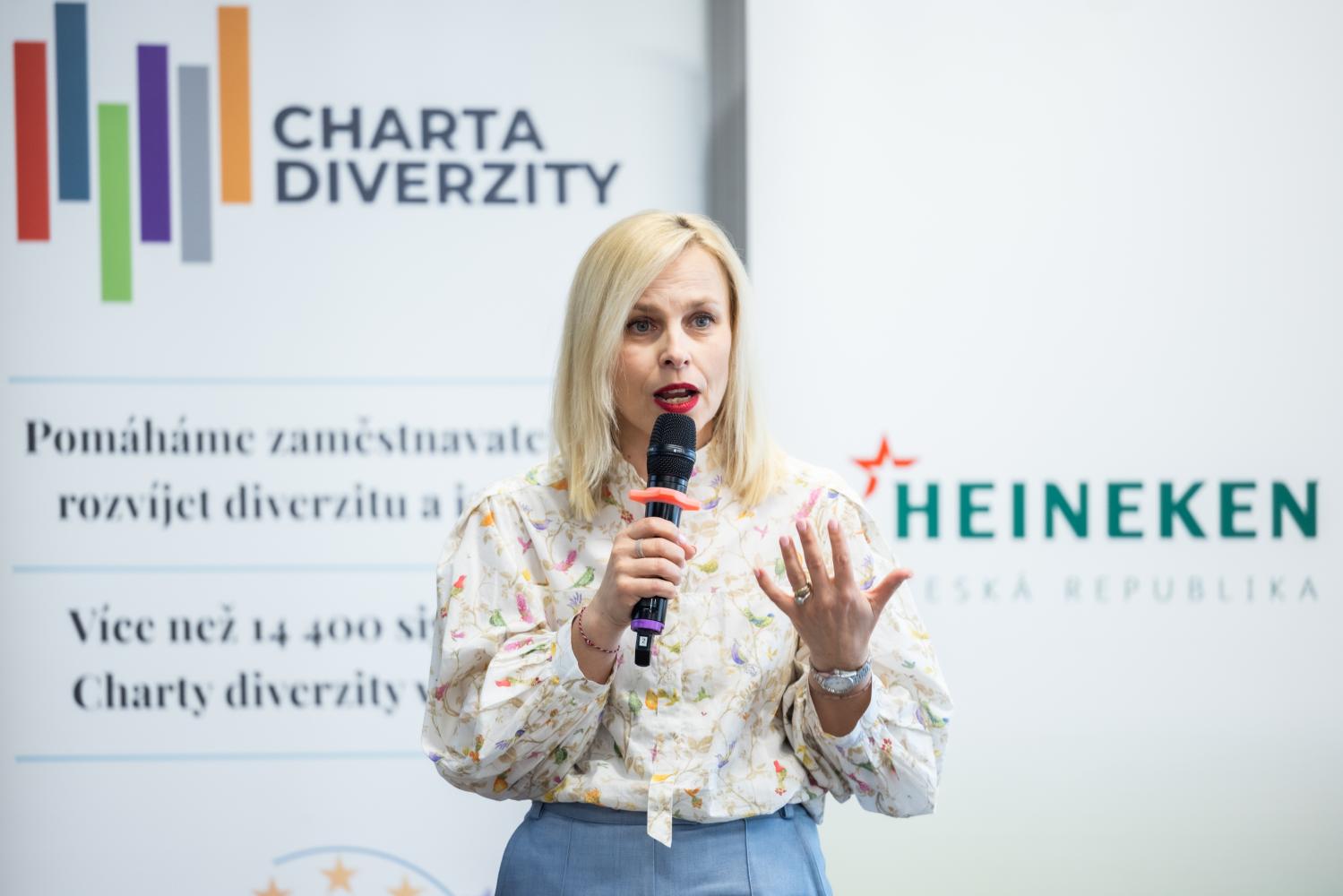
This was also shown through the personal example of Dita Jacobson, Corporate Affairs Manager, Heineken Czech Republic, a.s. She shared her experience of involving her mother and husband in childcare, without whom returning to work would have been much more difficult.
It is also important to add that Heineken Czech Republic, a.s. supports its employees who are parents and works to create conditions that help them balance family care and work.
Birth rates, conditions for families and the role of employers
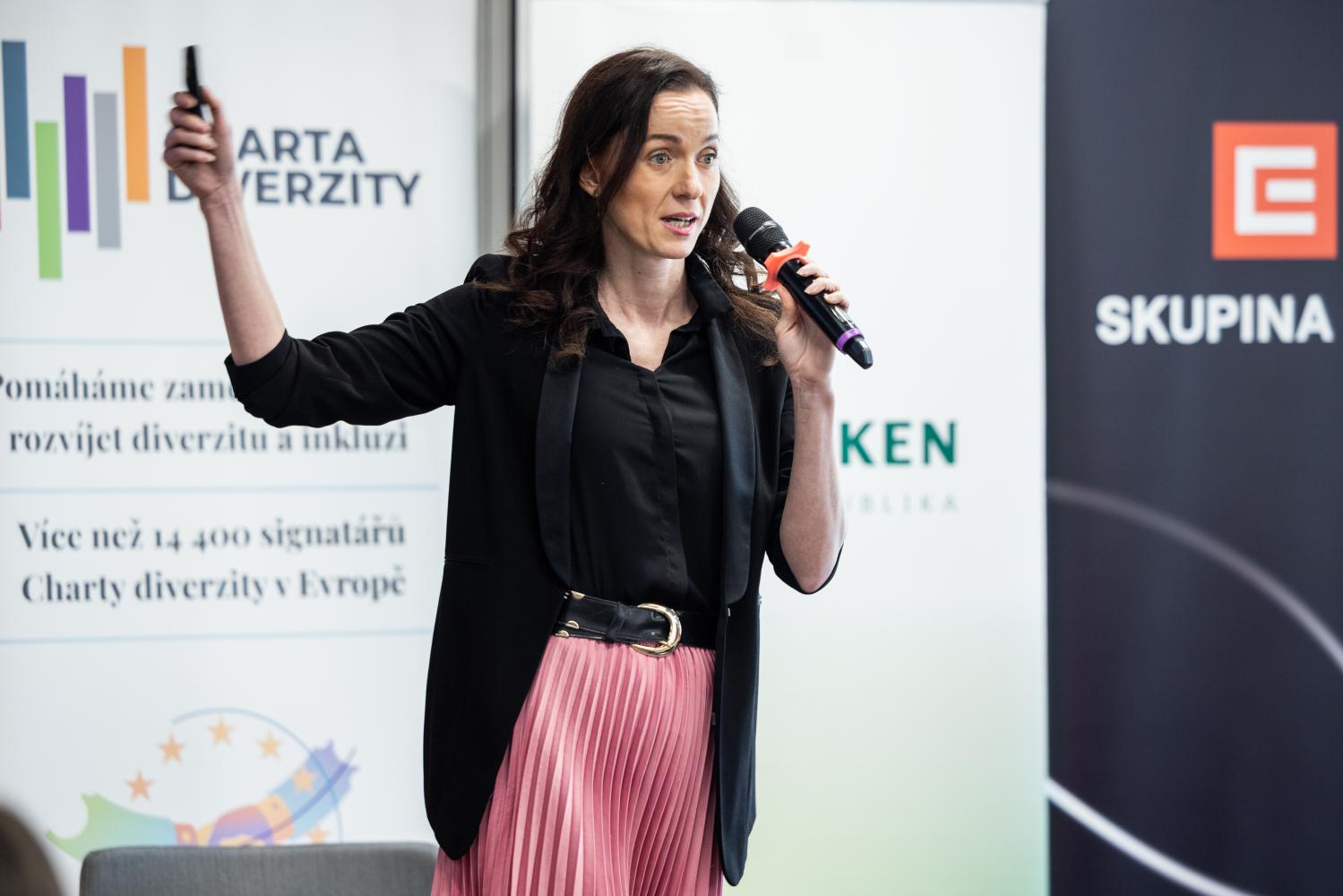
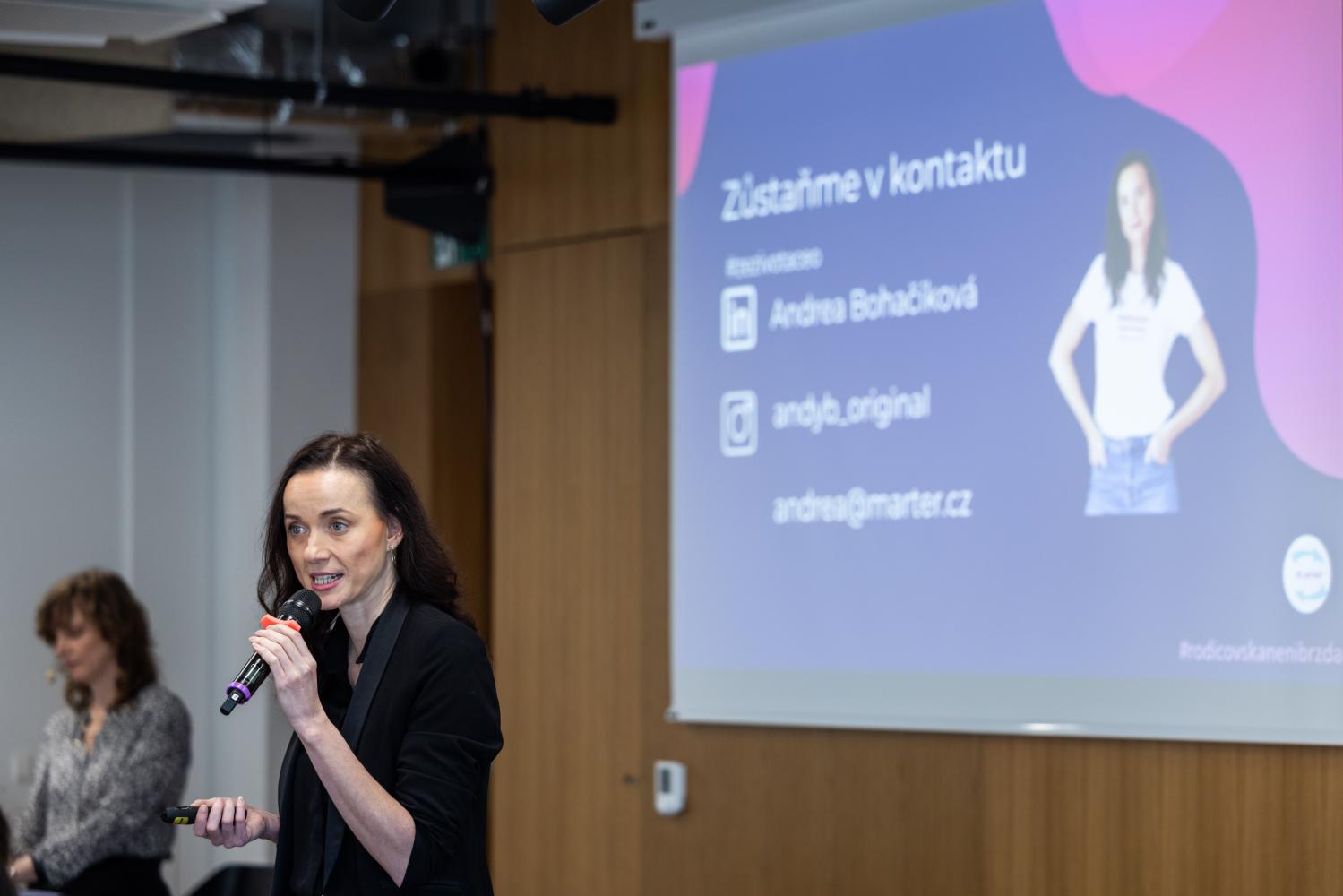
Andrea Bohačíková, CEO of Marter, presented the latest survey by Marter and Mingly, documenting the reasons and circumstances behind the alarming state of birth rates in the Czech Republic.
She confirmed what many of us already sense: today, the decision to have children is not determined only by desire, but also by conditions.
As the Marter and Mingly research showed, young people do want to have children, but they need suitable conditions to do so. This is also confirmed by our 2023 survey among parents and companies on the topic of prejudices and stereotypes (link).
Times are changing, as are people’s needs and lifestyles. We should reflect this. Young people today think more carefully about starting a family and plan it more consciously. Their decisions are influenced by concerns about the family’s financial situation, housing availability and other practical conditions. At the same time, they want to offer their children a high-quality and motivating environment.
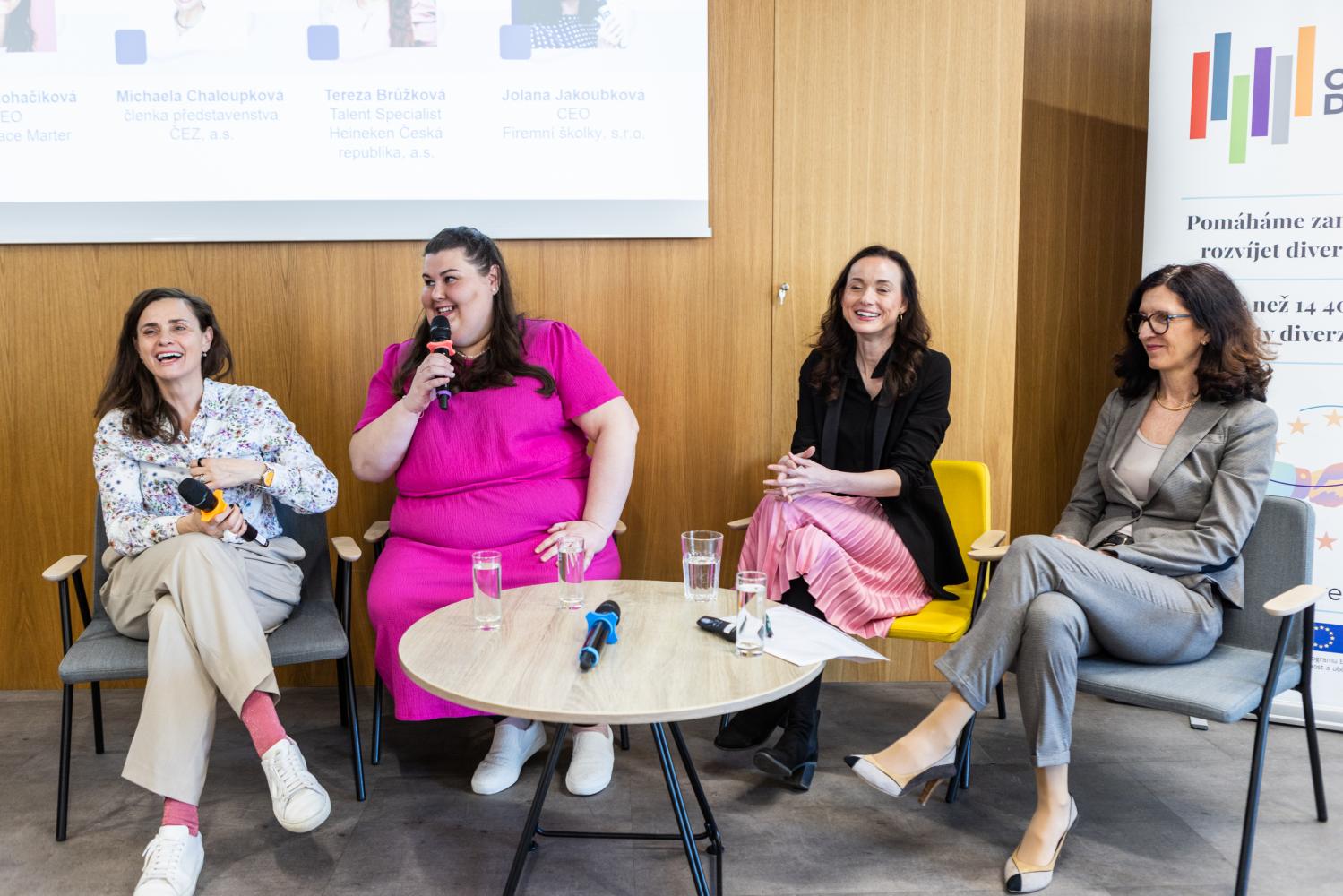
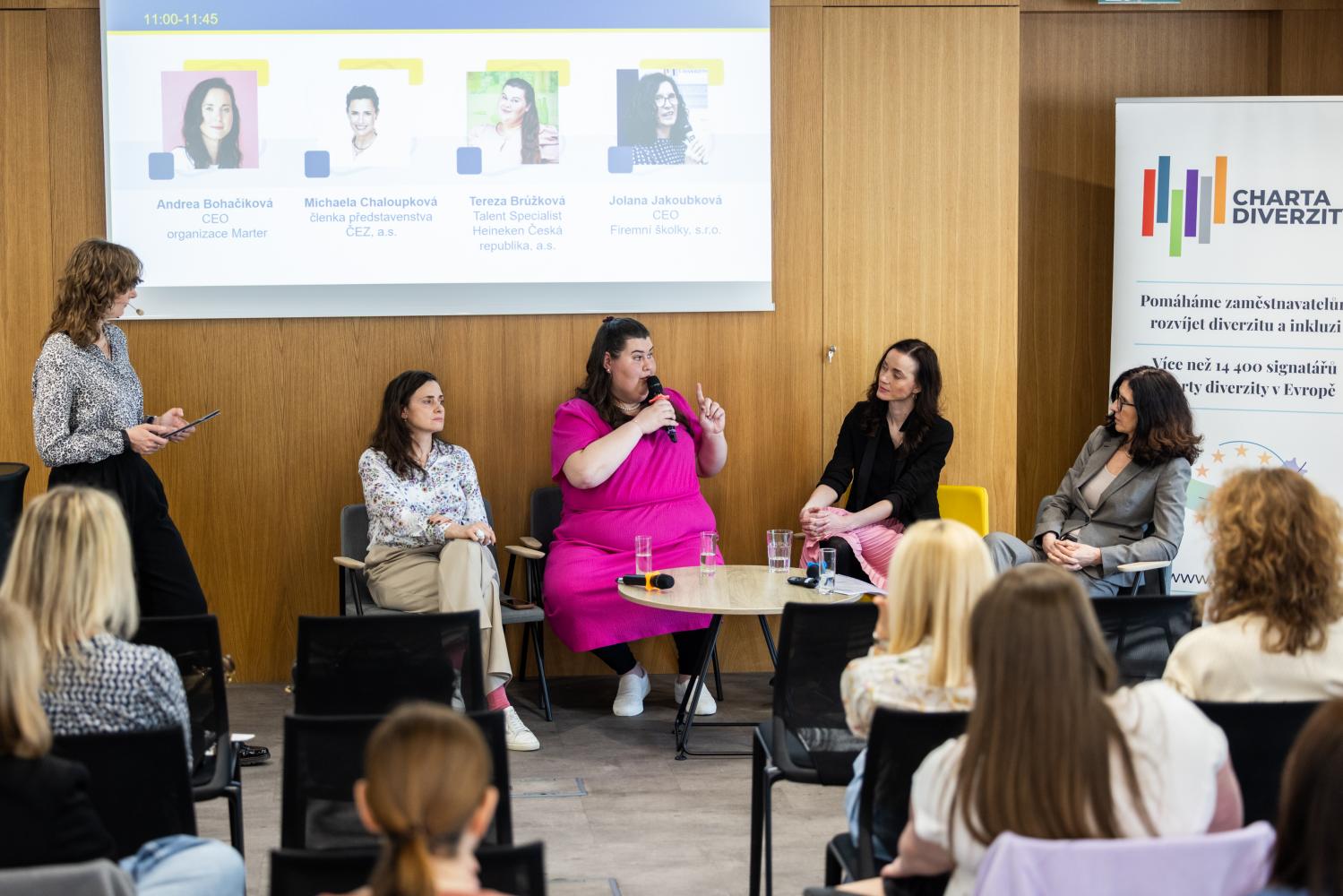
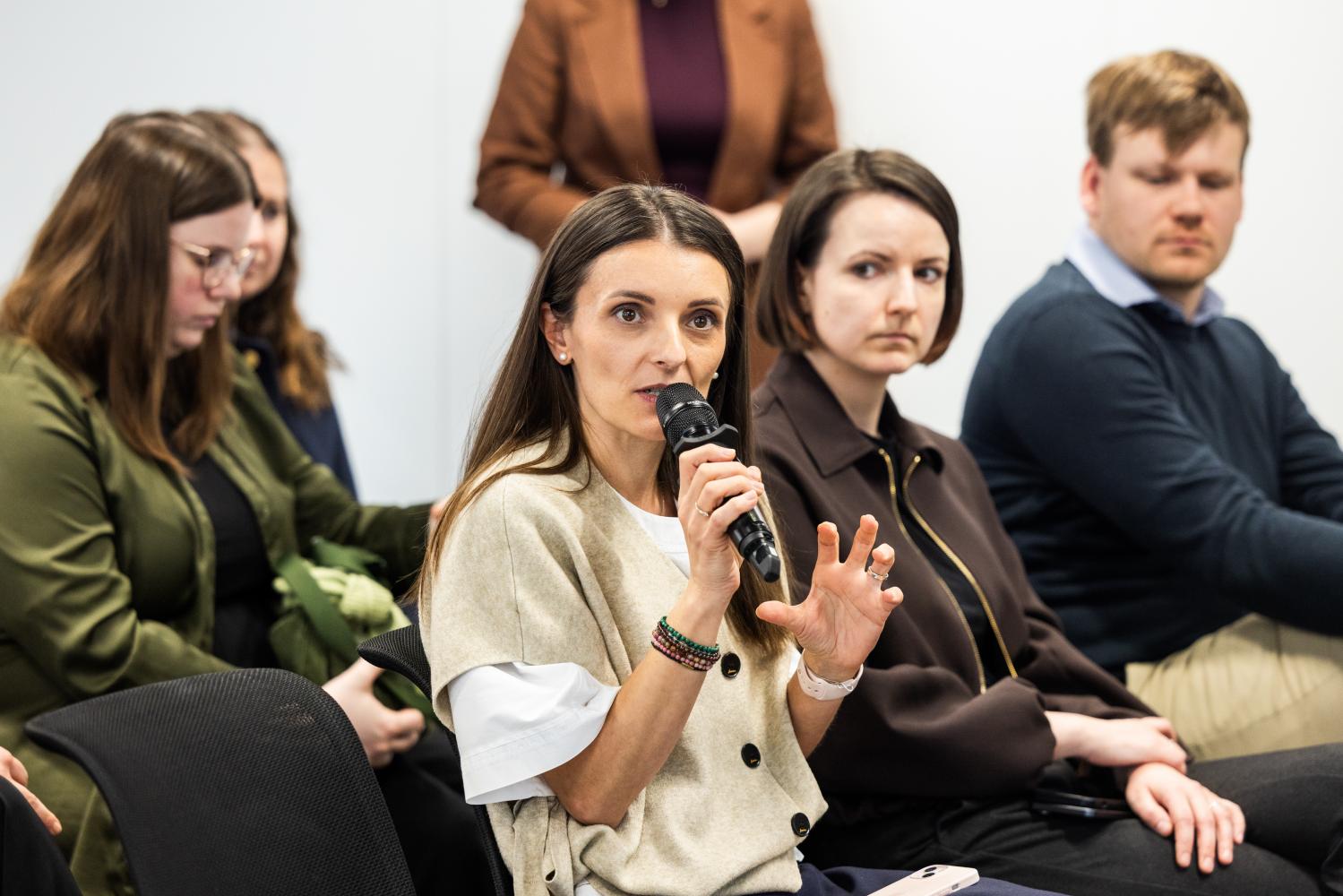
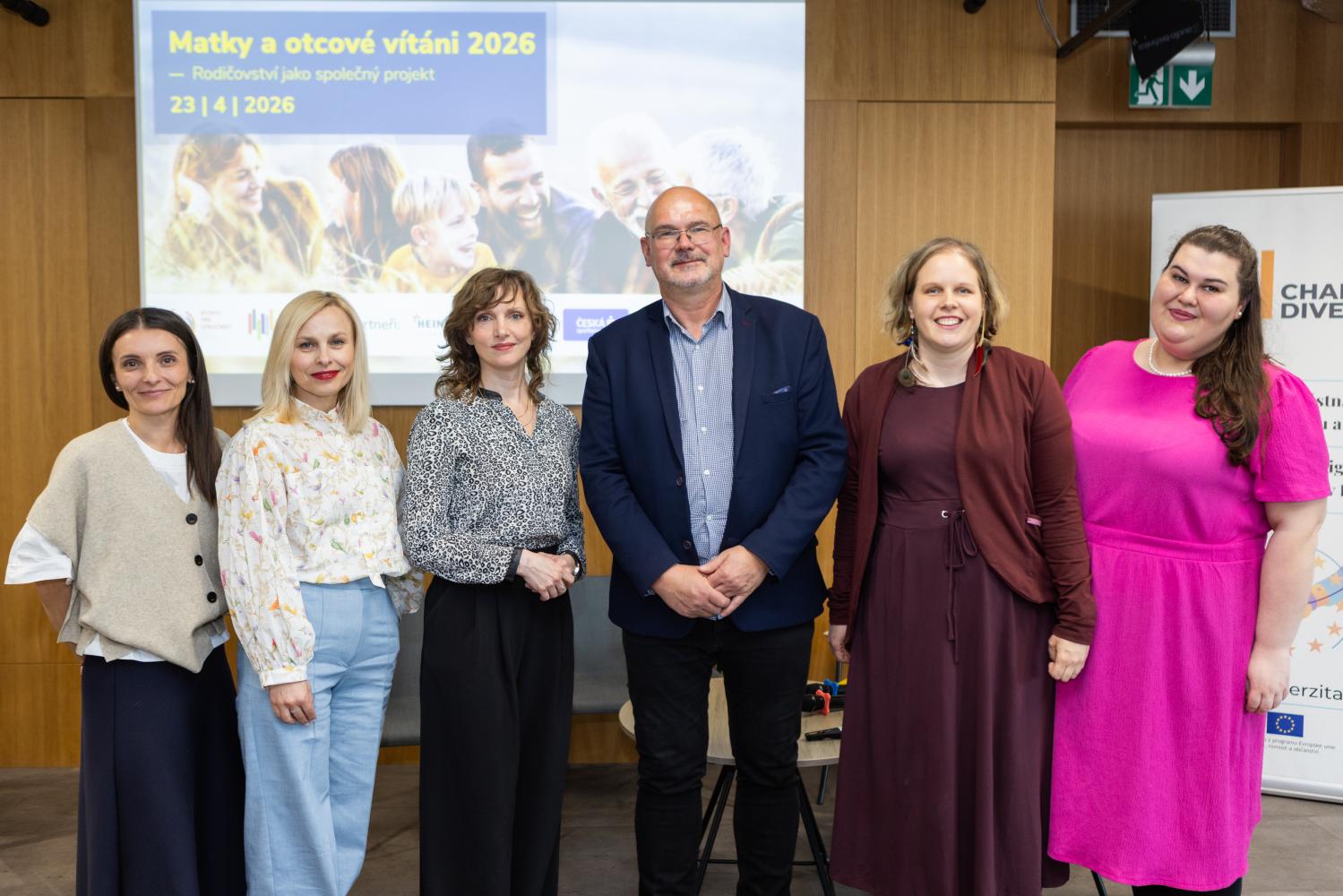
In the follow-up panel discussion based on the survey data presented by Andrea Bohačíková, representatives of responsible companies took part:
Michaela Chaloupková, Member of the Board of Directors, ČEZ, a.s.
Tereza Brůžková, Talent Specialist, Heineken Czech Republic, a.s.
Jolana Jakoubková, CEO, Firemní školky, s.r.o.
The conference was closed by Petra Ondrušová, Chief Sustainability, Česká spořitelna, a.s., who presented Česká spořitelna’s comprehensive approach to supporting its employees who are parents.
Thanks to our partners
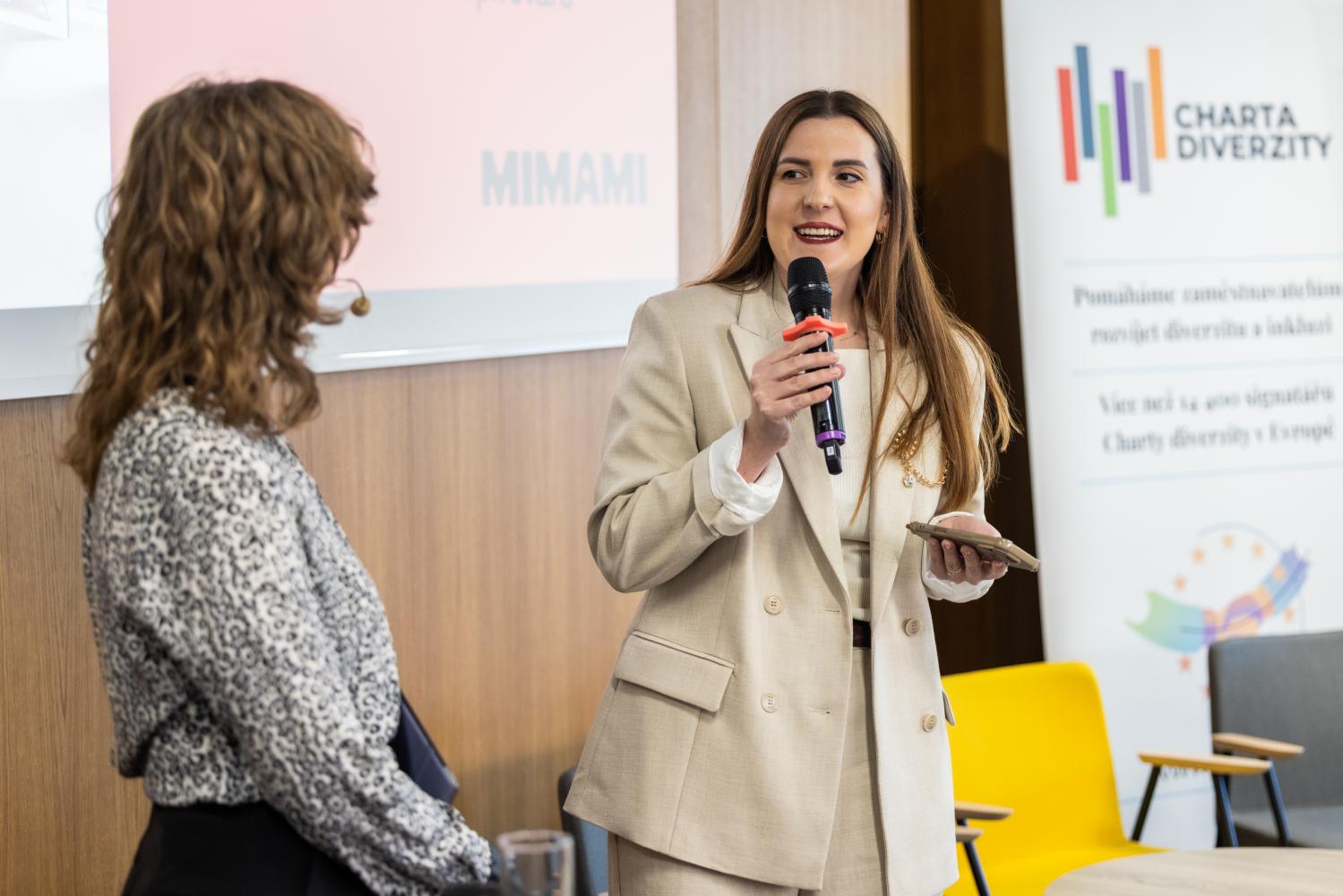
This year, we also offered mothers and fathers a baby zone for children so that they could actively take part in the conference. The baby zone was excellently provided by MIMAMI, led by its founder and CEO Denisa Ladka Morgensteinová.
The conference was smoothly moderated by Ilona Kleníková, editor of Heroine magazine.
We would like to thank all partners of this year’s conference: Heineken Czech Republic, a.s., ČEZ, a.s., Česká spořitelna, a.s. and the Embassy of Sweden in Prague.
We would also like to thank our media partner, Heroine magazine, and our venue partner, zenwork.
Our thanks also go to Studio Leontýnka and the MinusJedna agency for audio and video support, and to Filip Jandourek for the conference photographs.
We will bring more texts, as well as a podcast about the Mothers and Fathers Welcome 2026 conference, in the coming days and weeks.
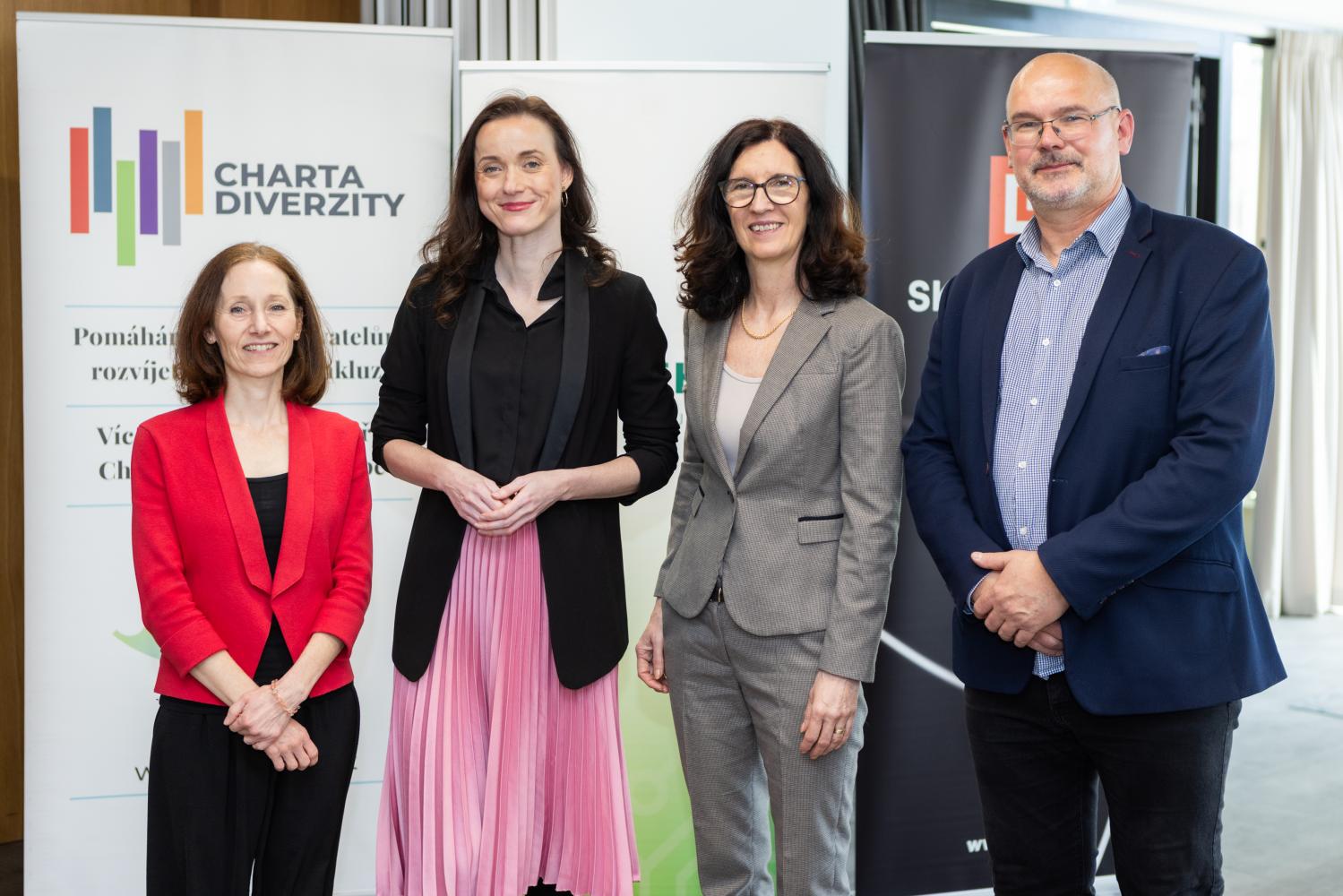
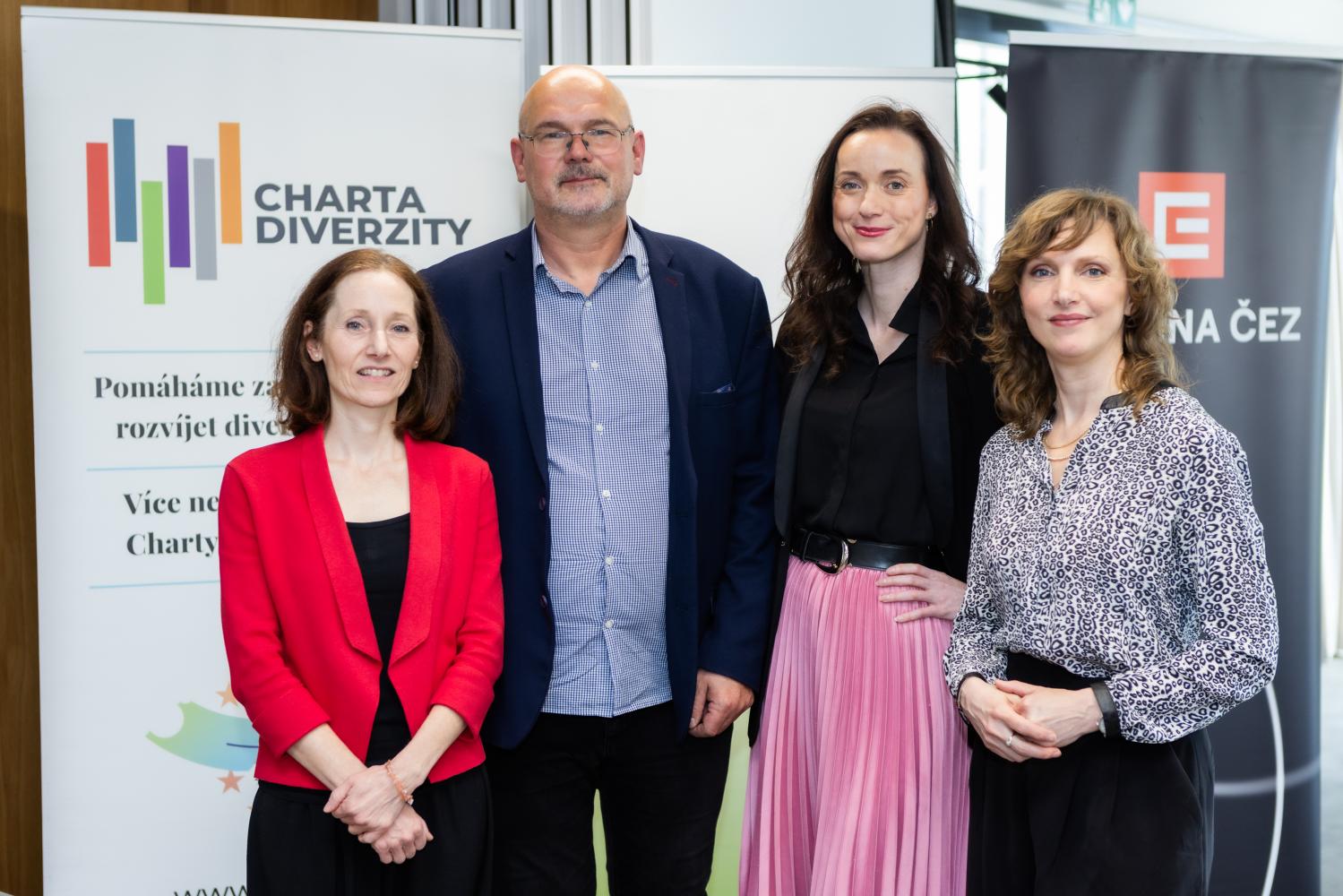
Photogallery

BPS – Byznys pro společnost, z. s.
V Tůních 1357/11, 2nd floor
Praha 2, 120 00
Tel.: +420 739 717 789
info@byznysprospolecnost.cz
www.byznysprospolecnost.cz
Co-funded by the Rights, Equality and Citizenship Programme of the European Union