The Green Transition Is Crucial for Europe and Cannot Be Stopped
The green transition is not just an environmental agenda. It represents a fundamental economic and social transformation that will shape Europe’s future competitiveness. It connects climate policy, economic stability, and social cohesion.
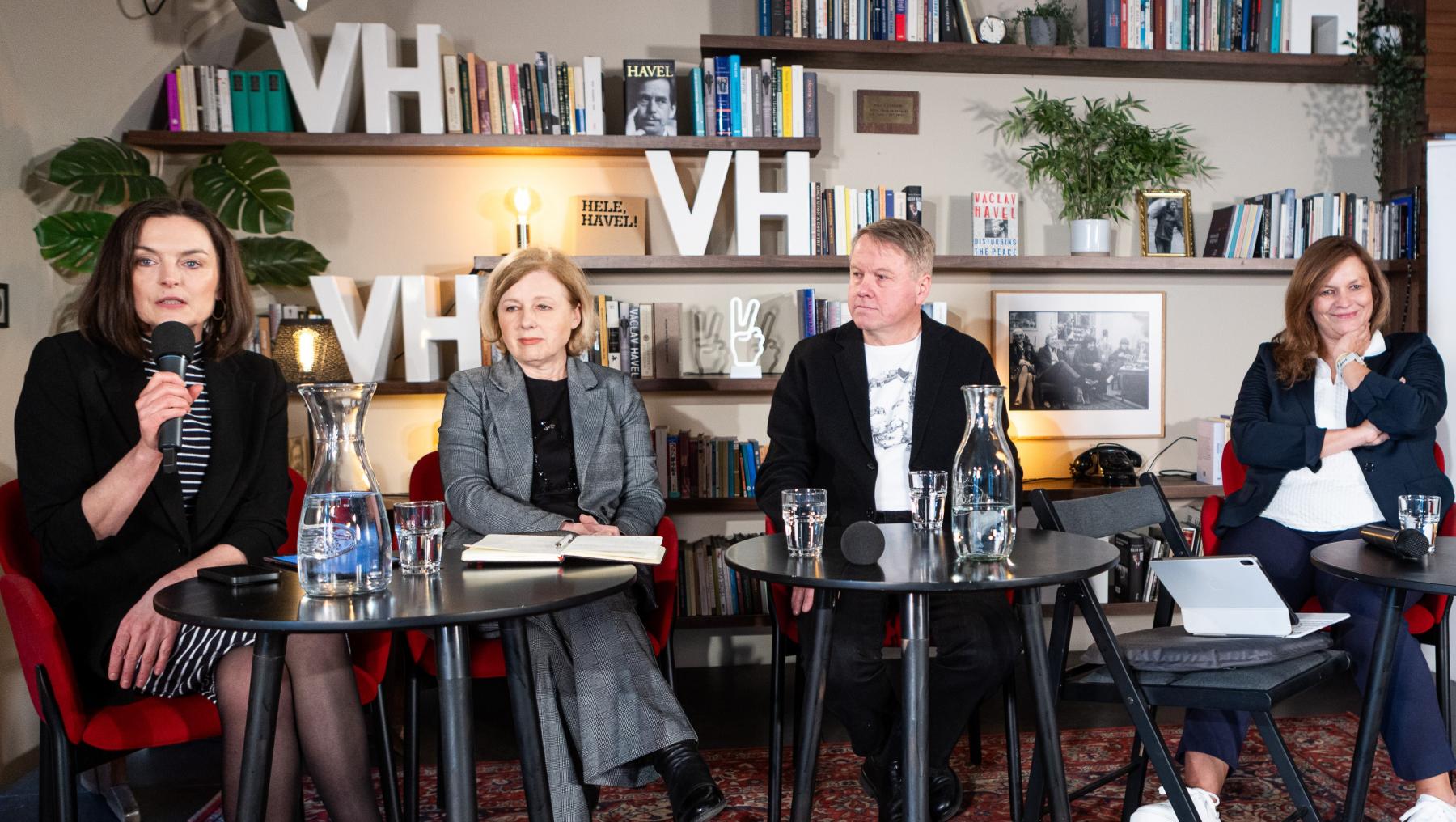
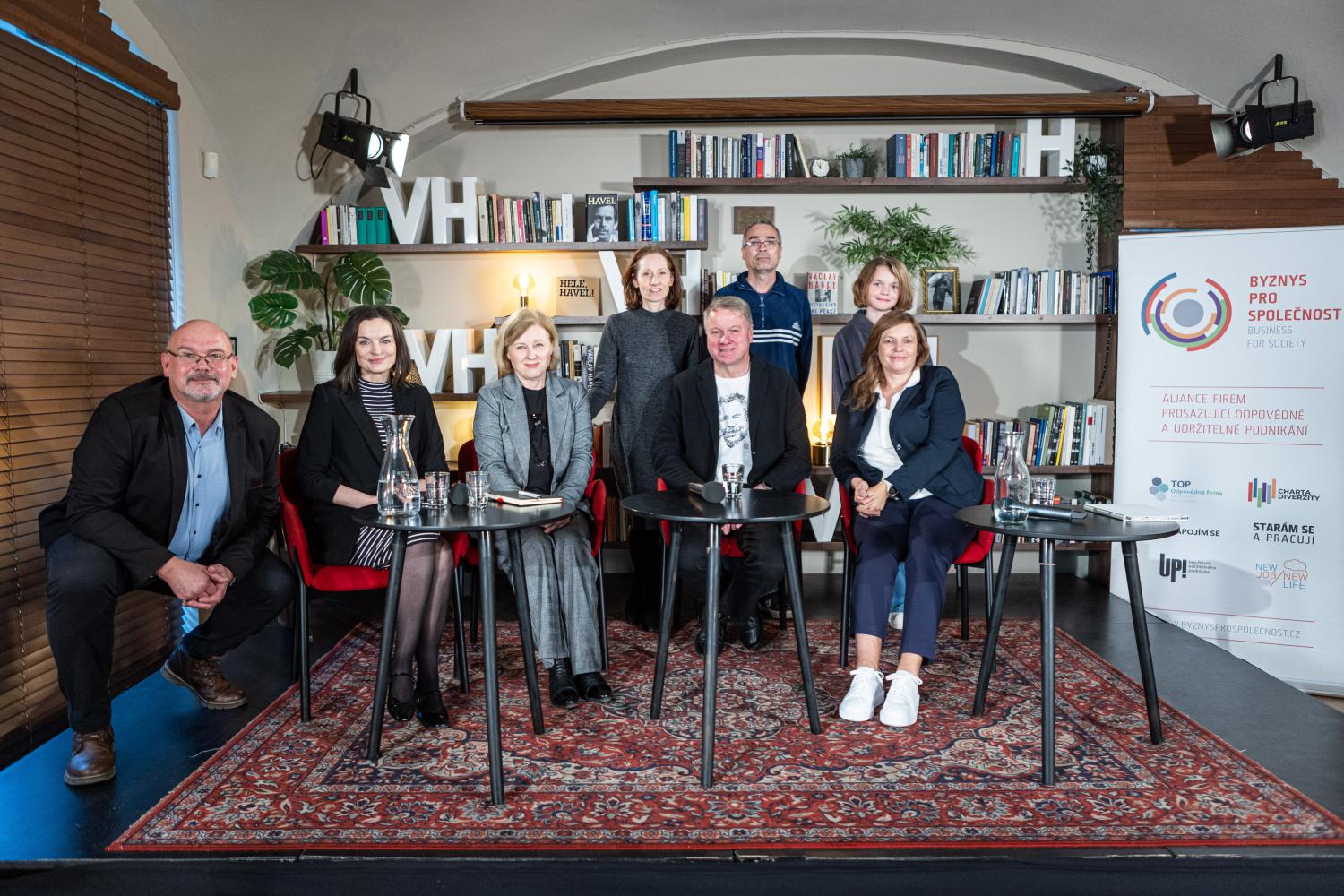
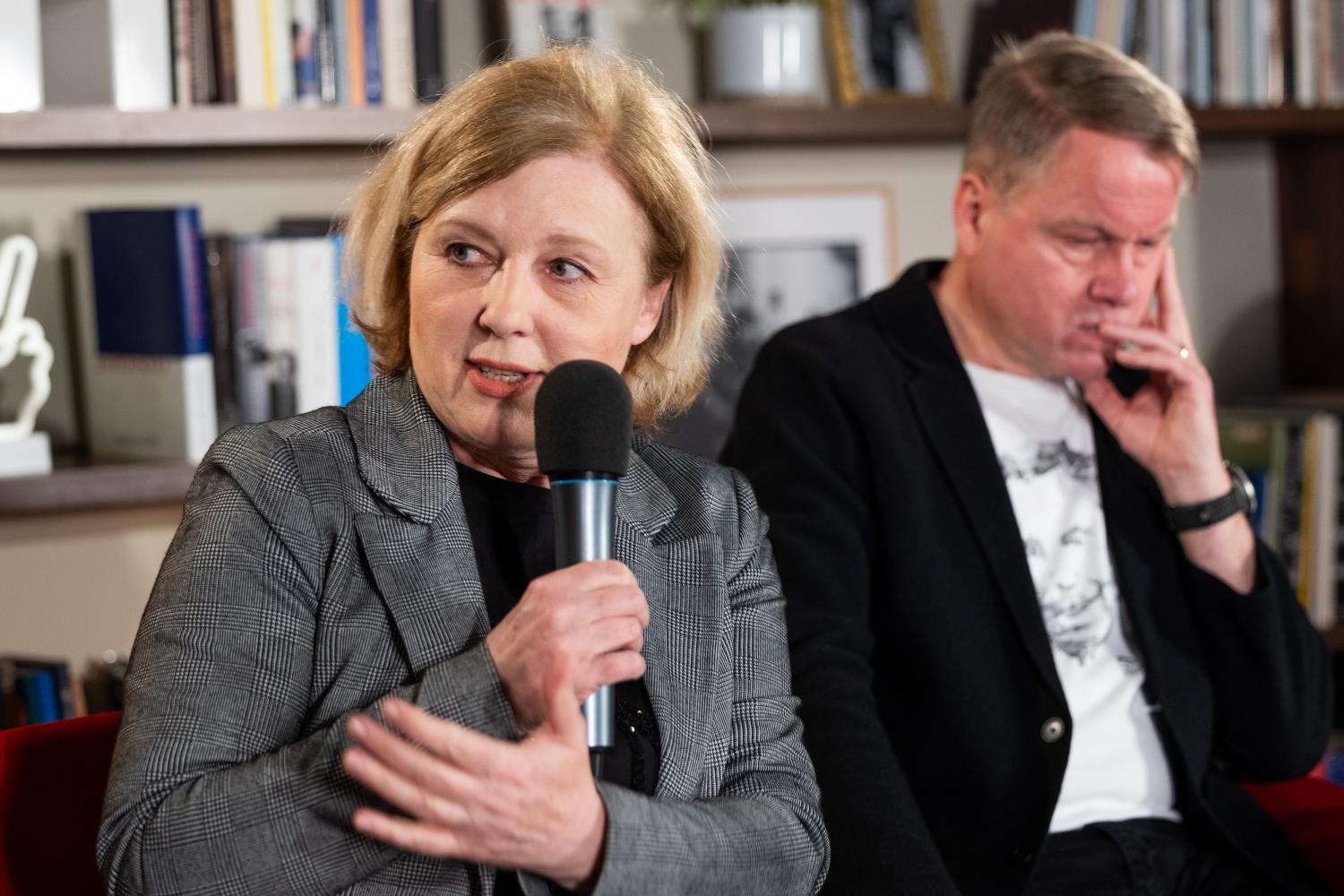
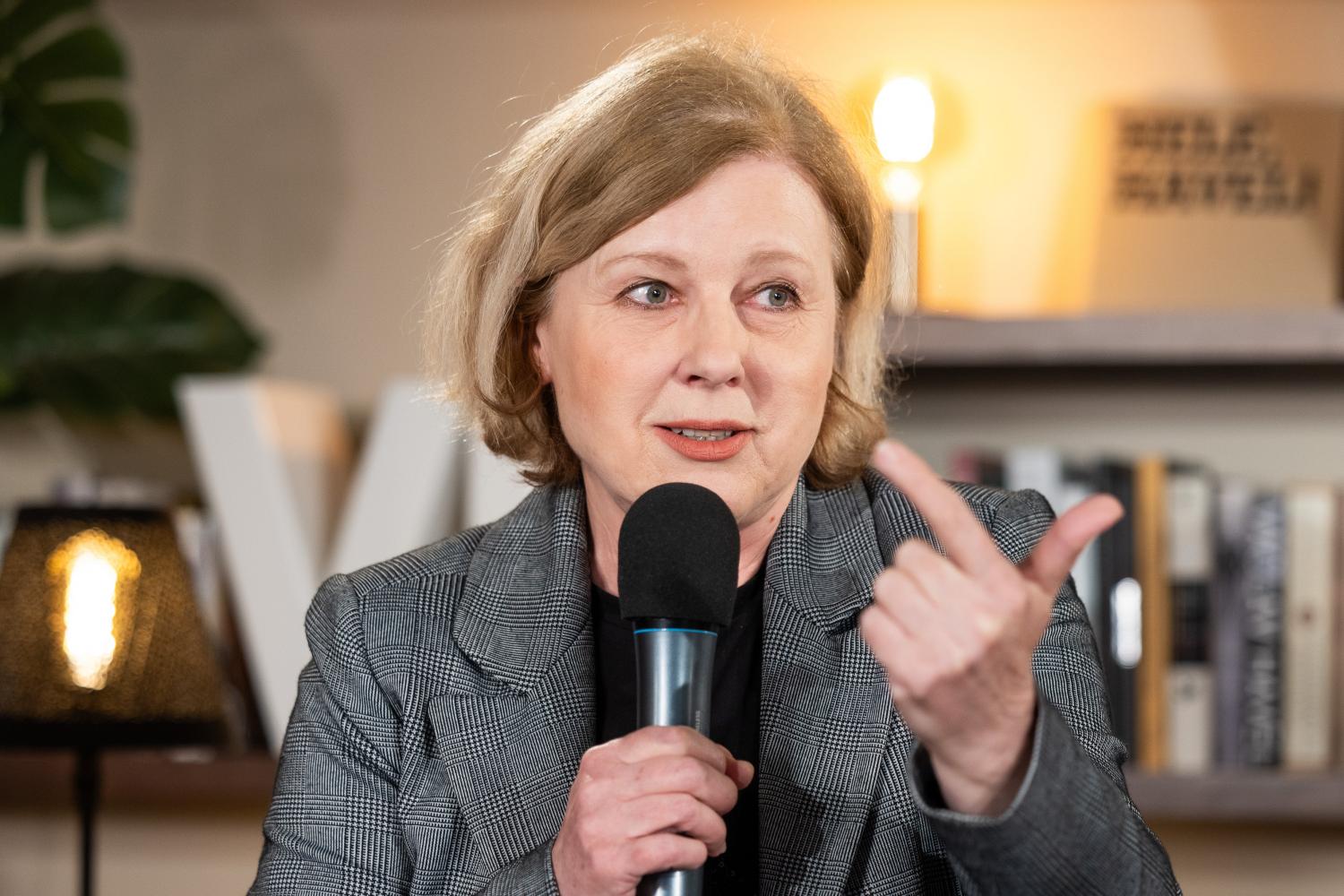
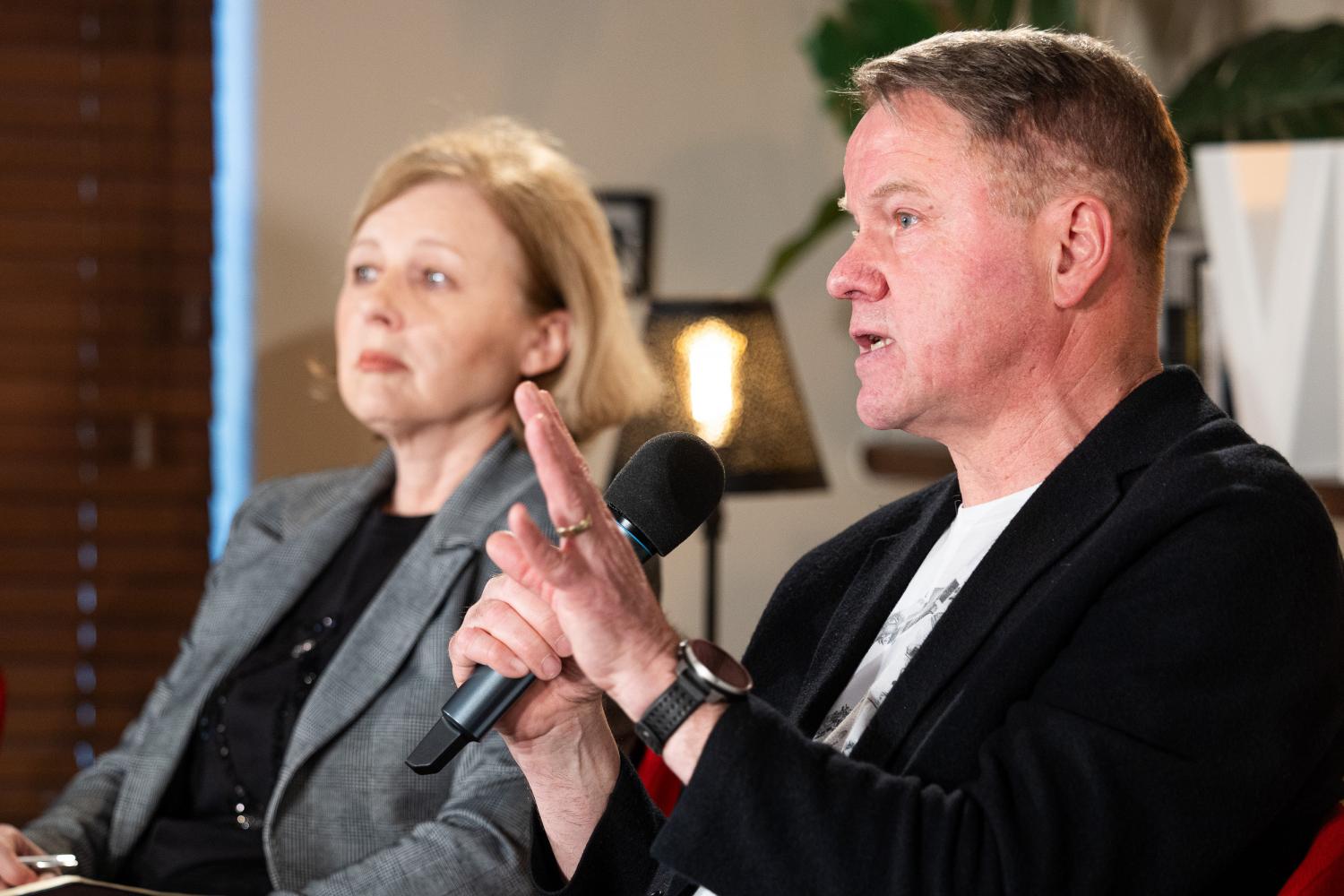
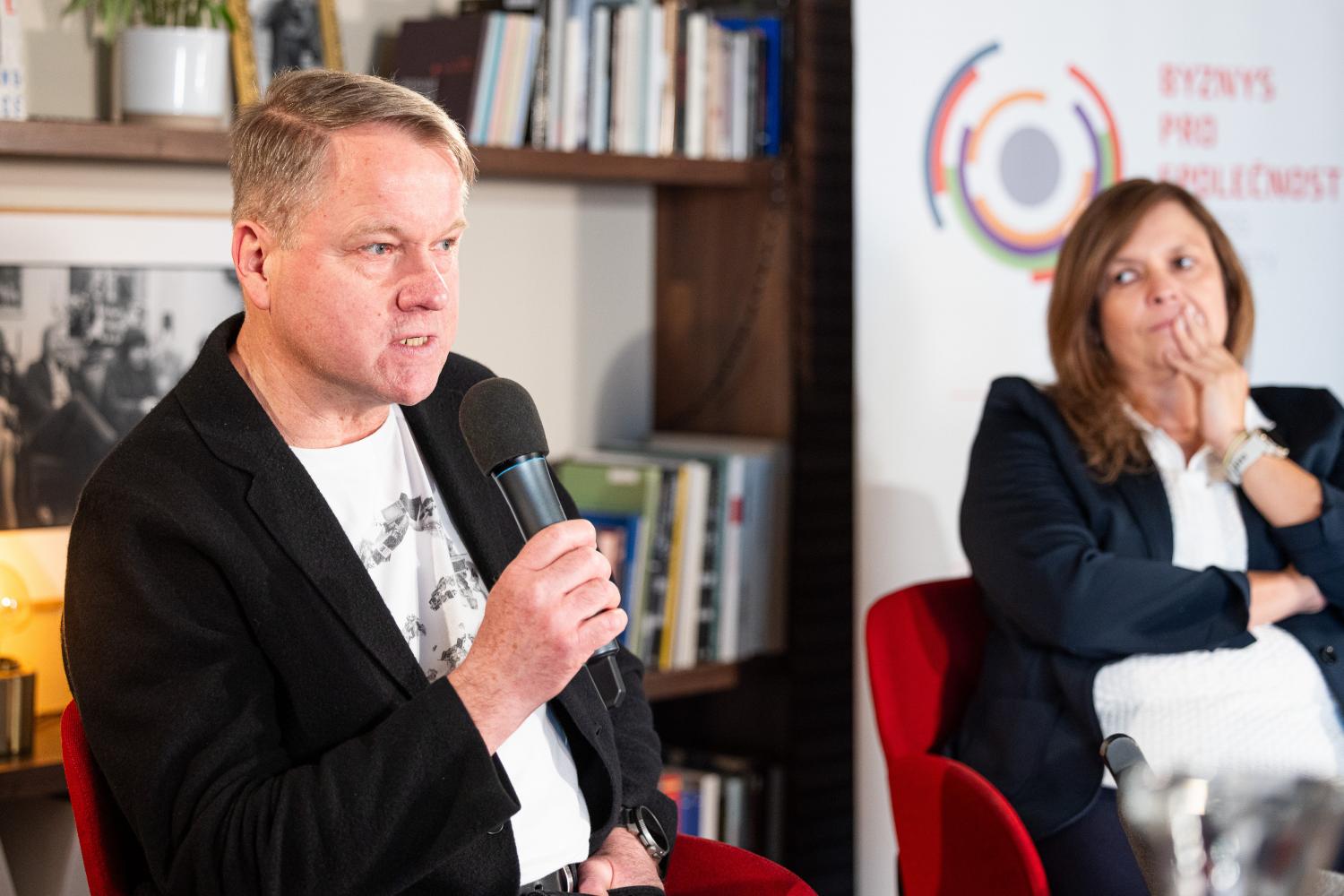
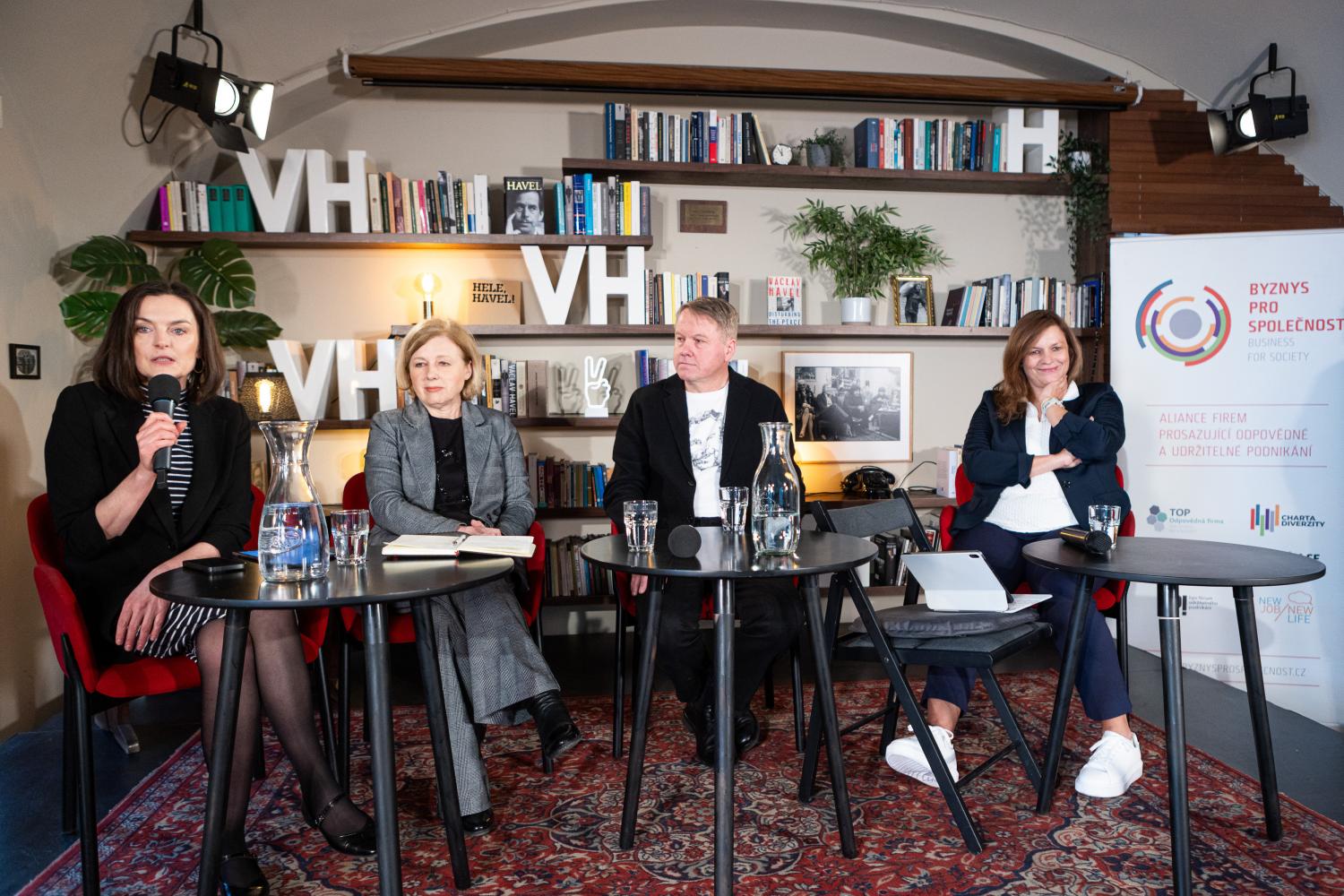
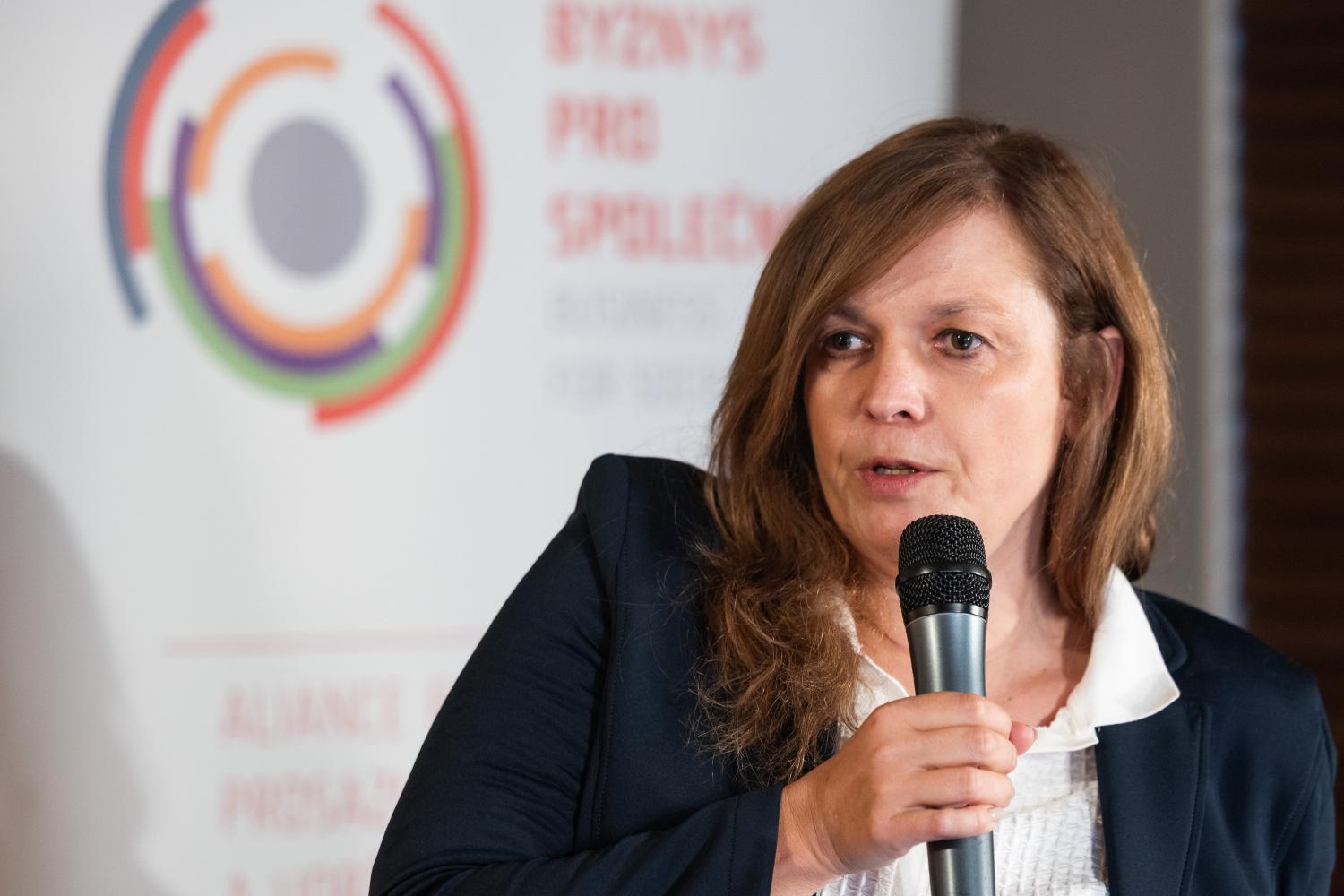
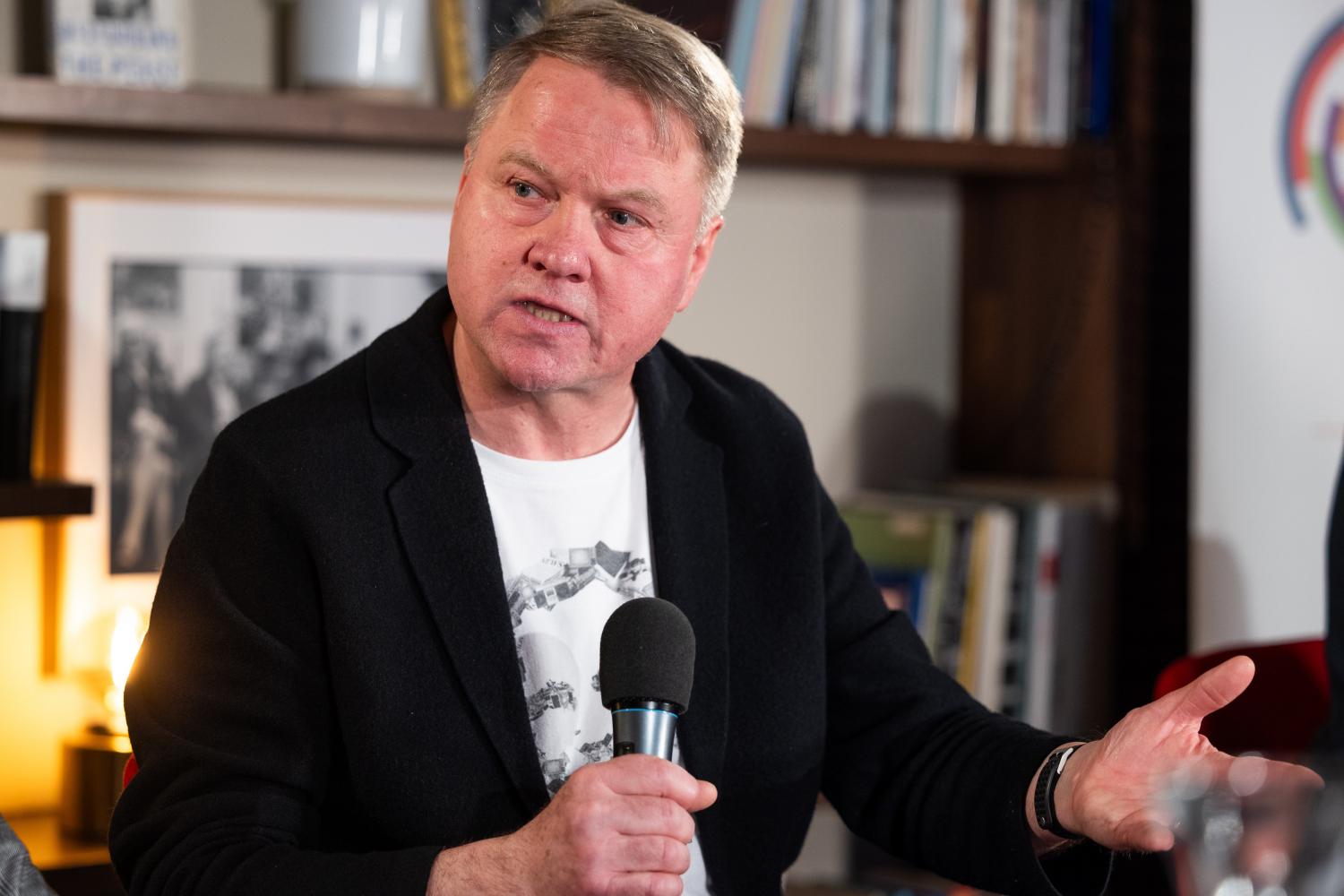
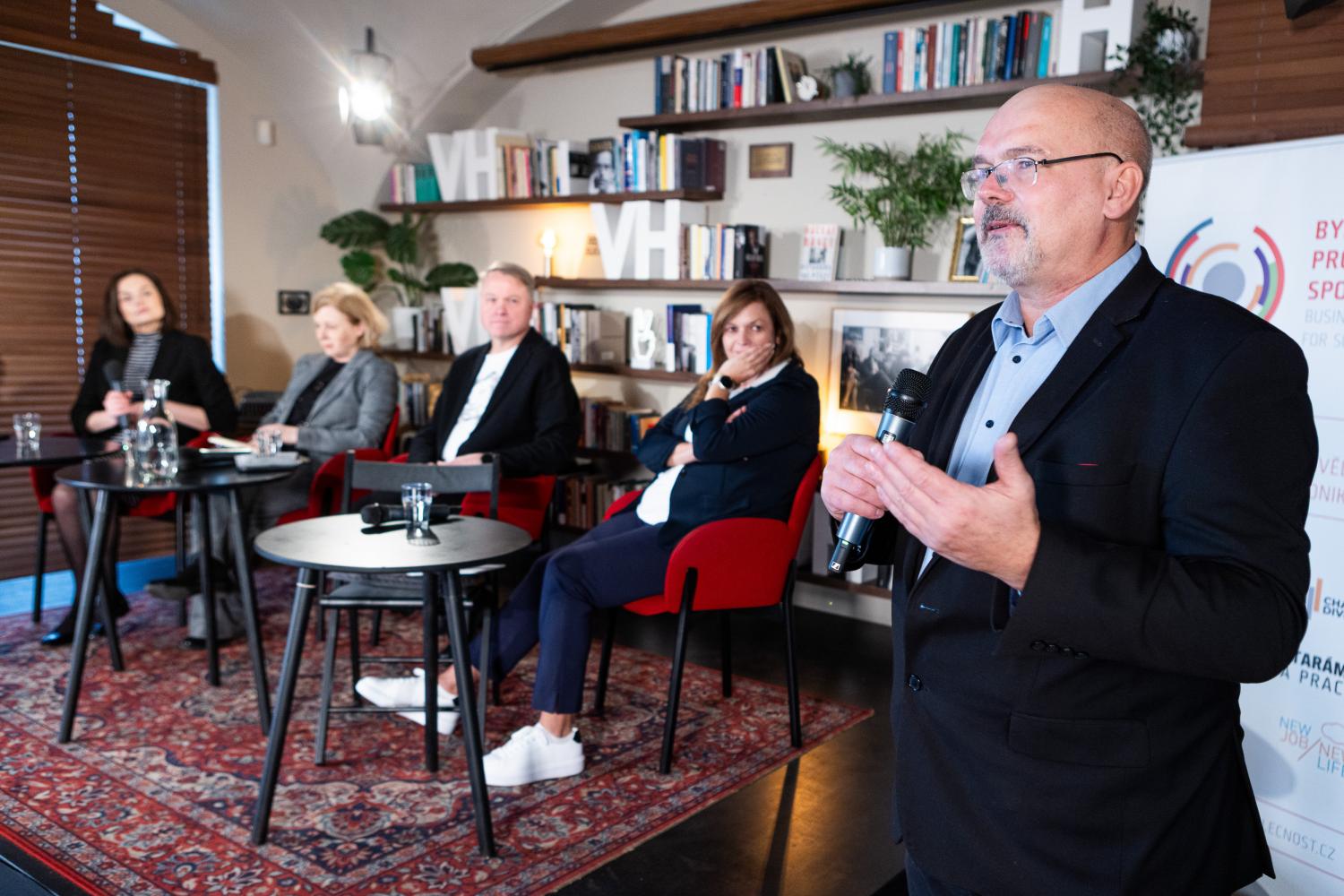
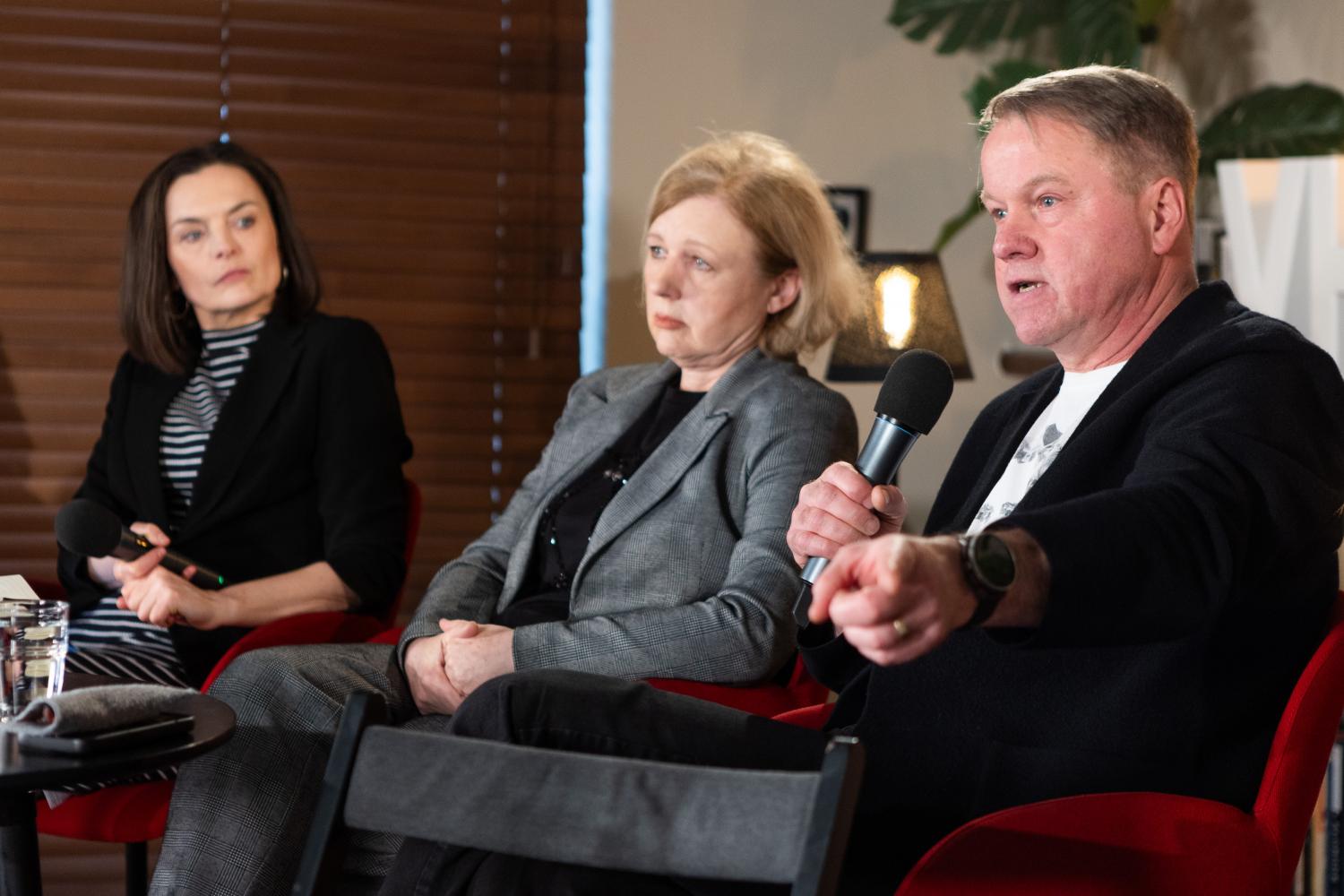
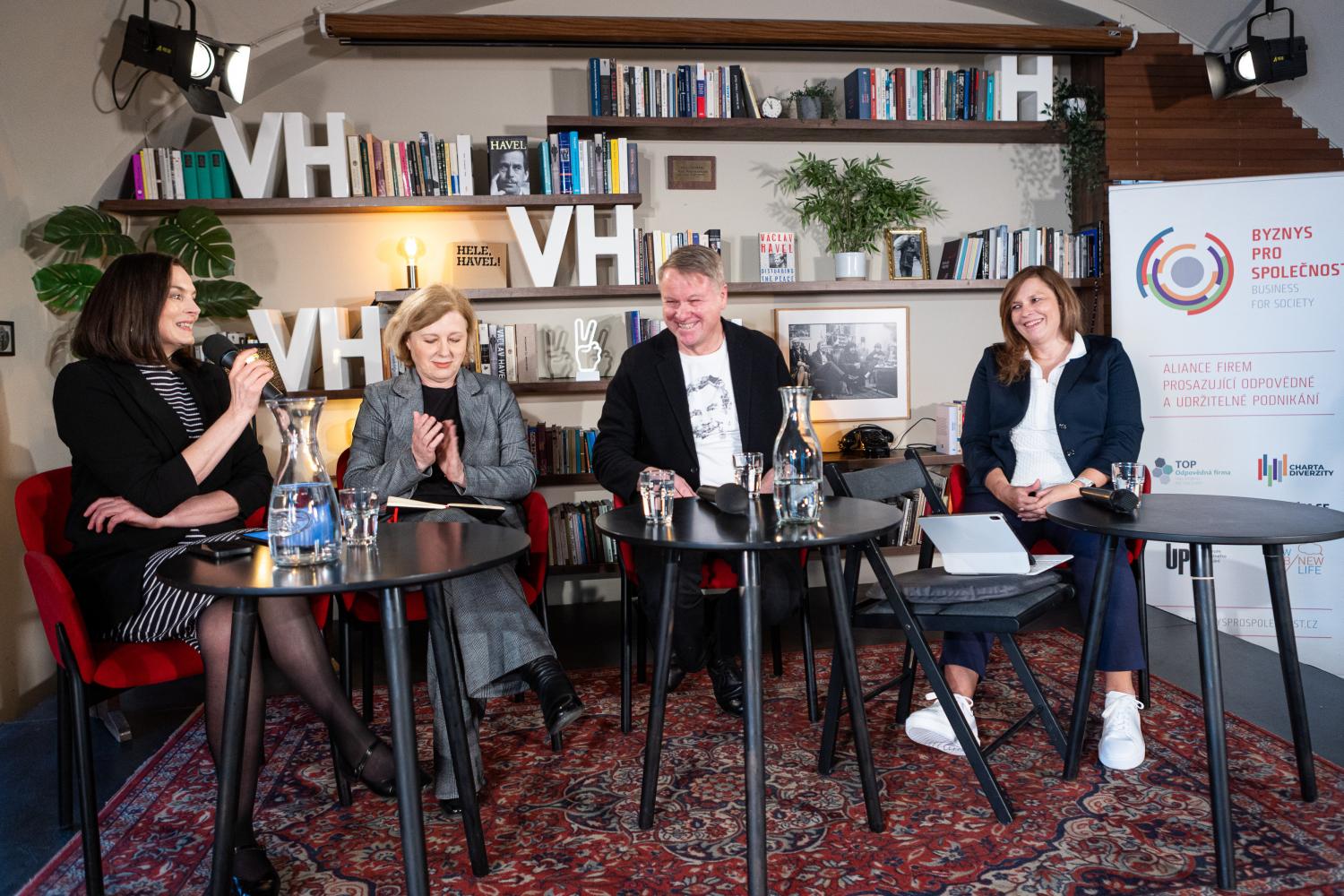
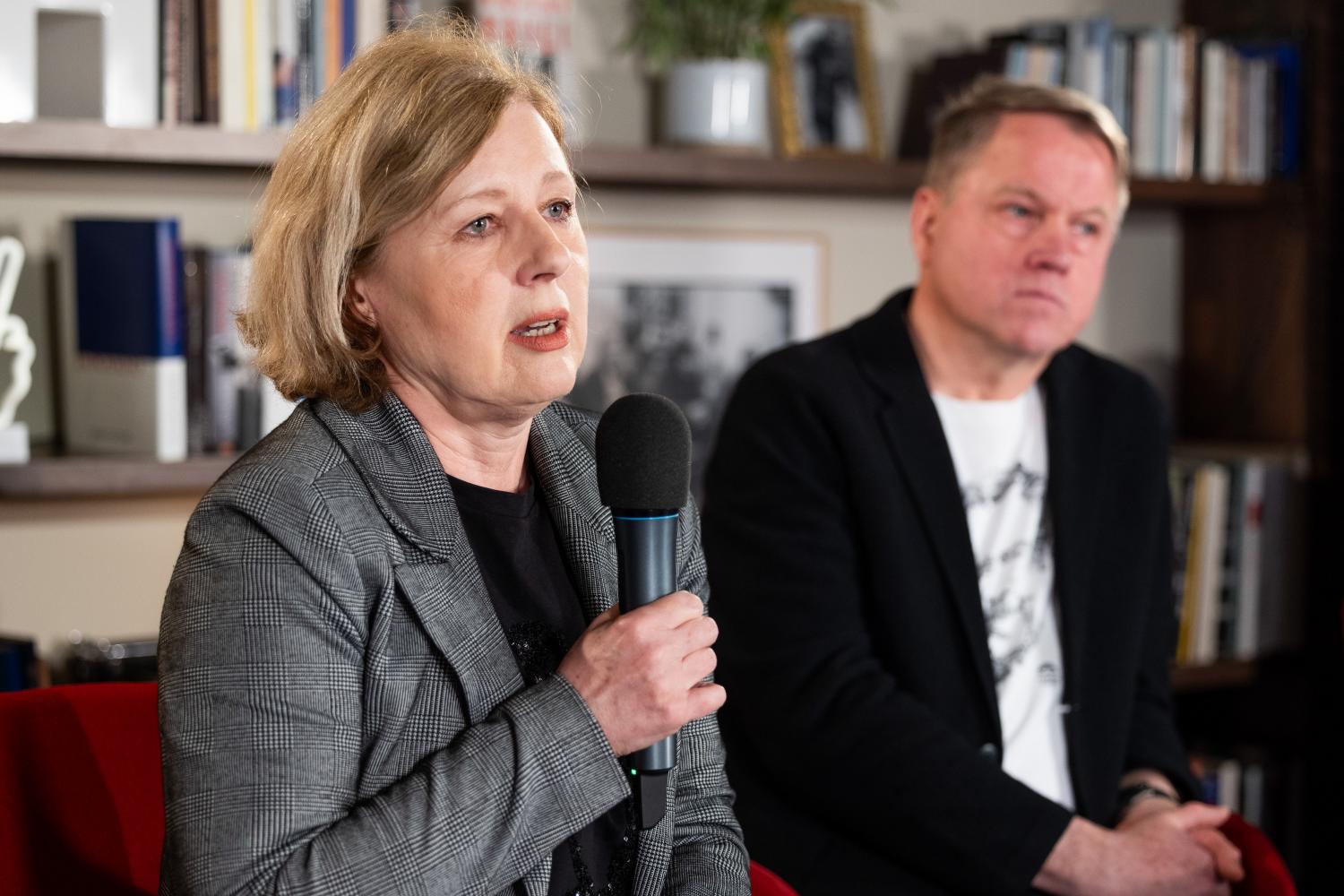
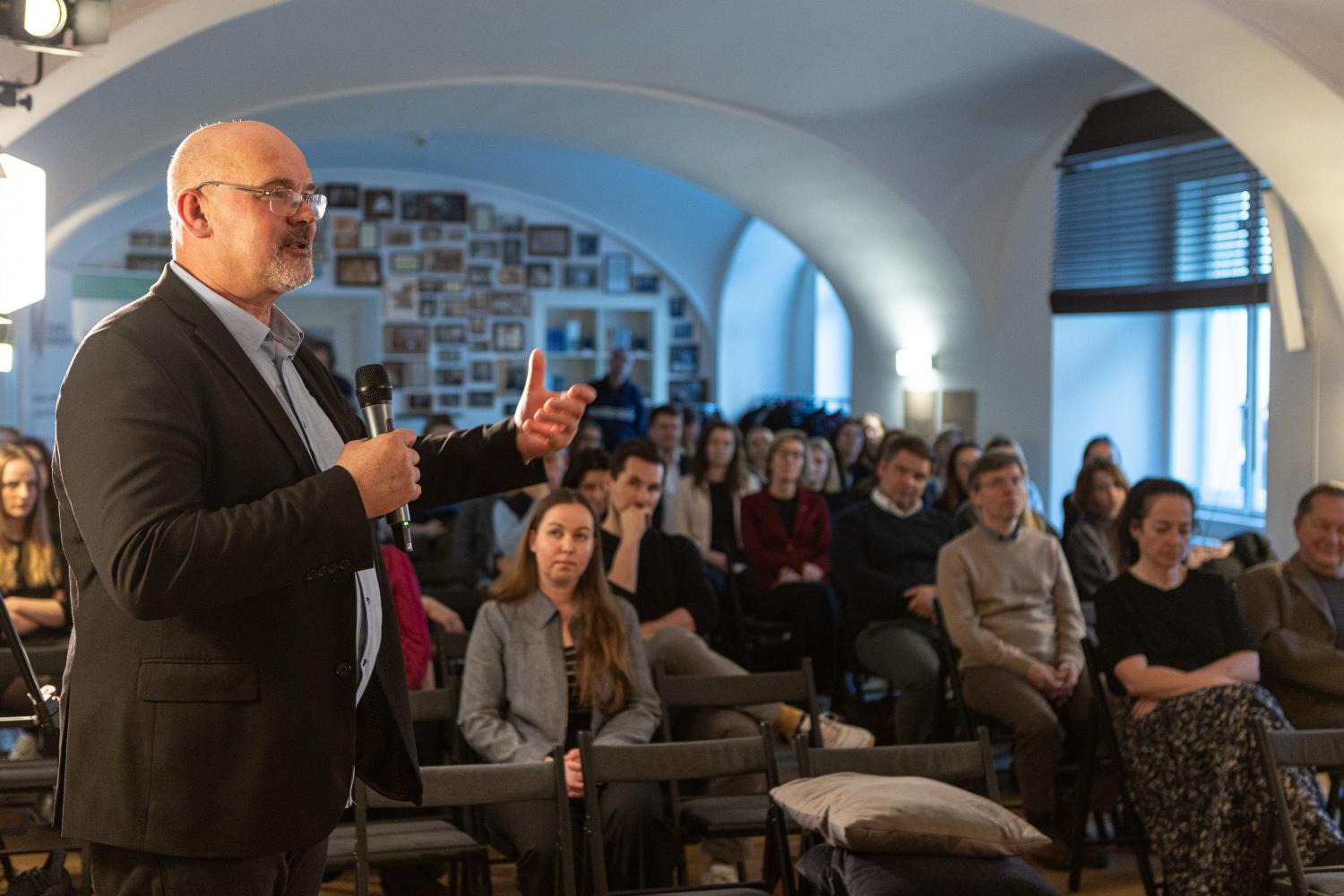
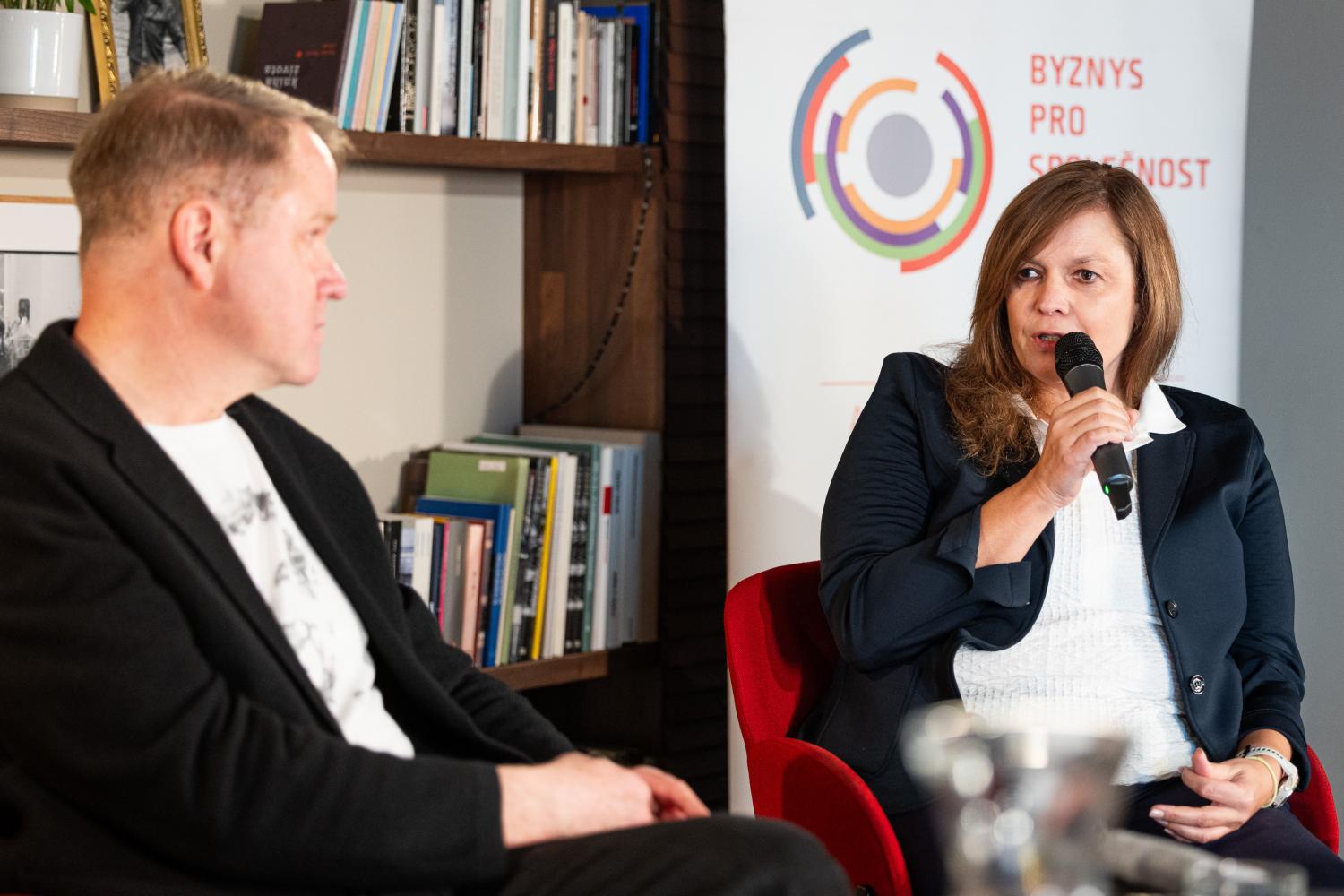
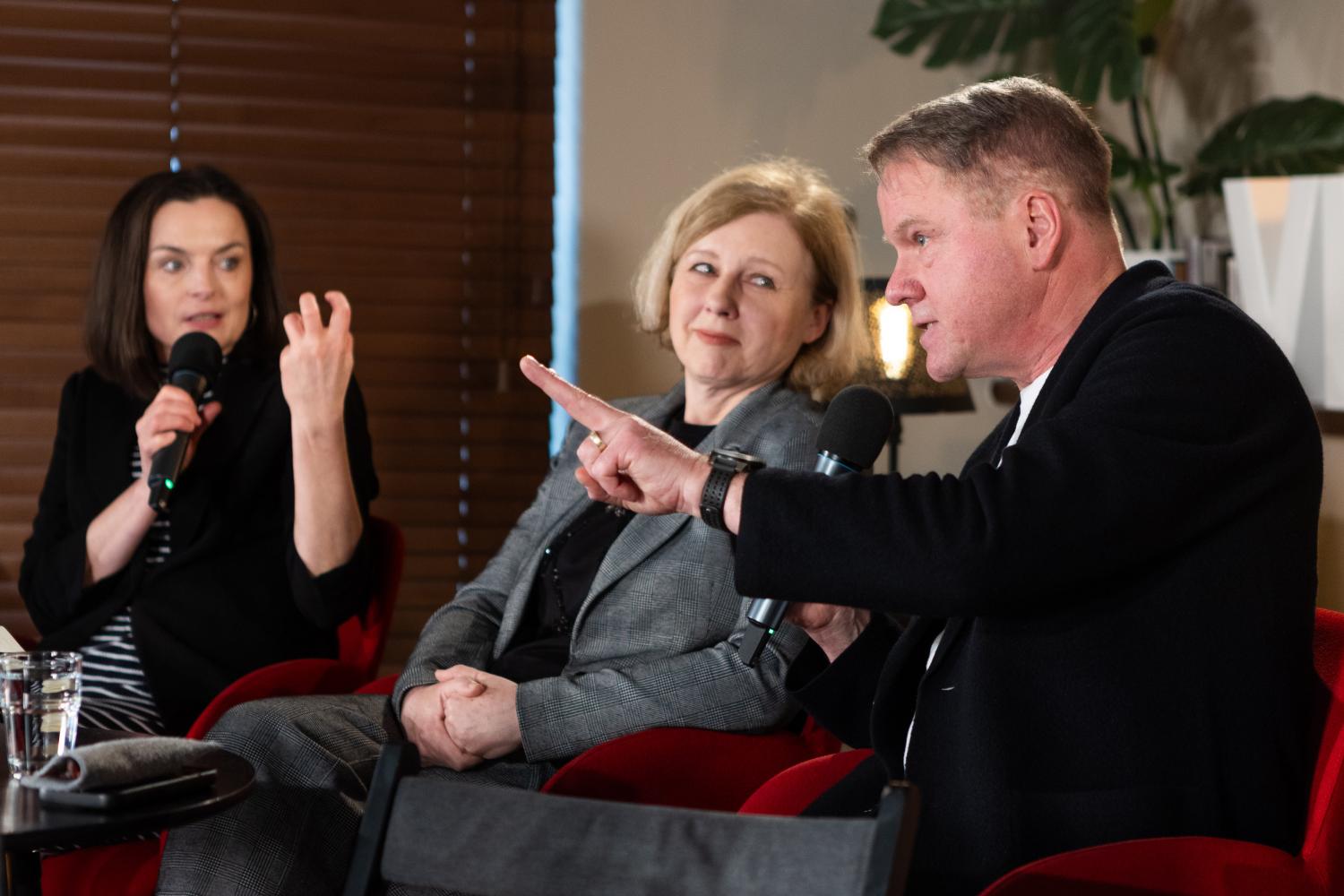
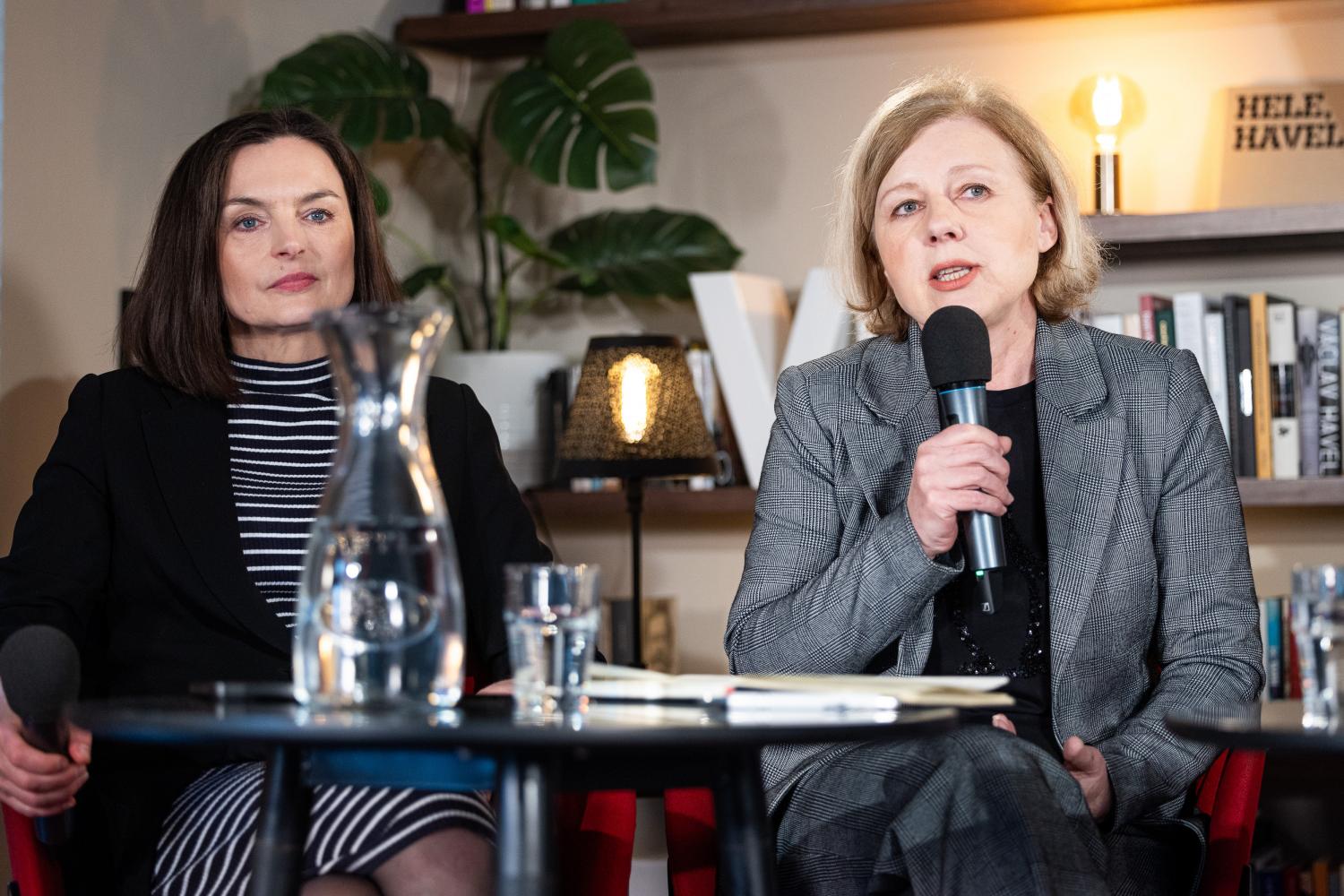
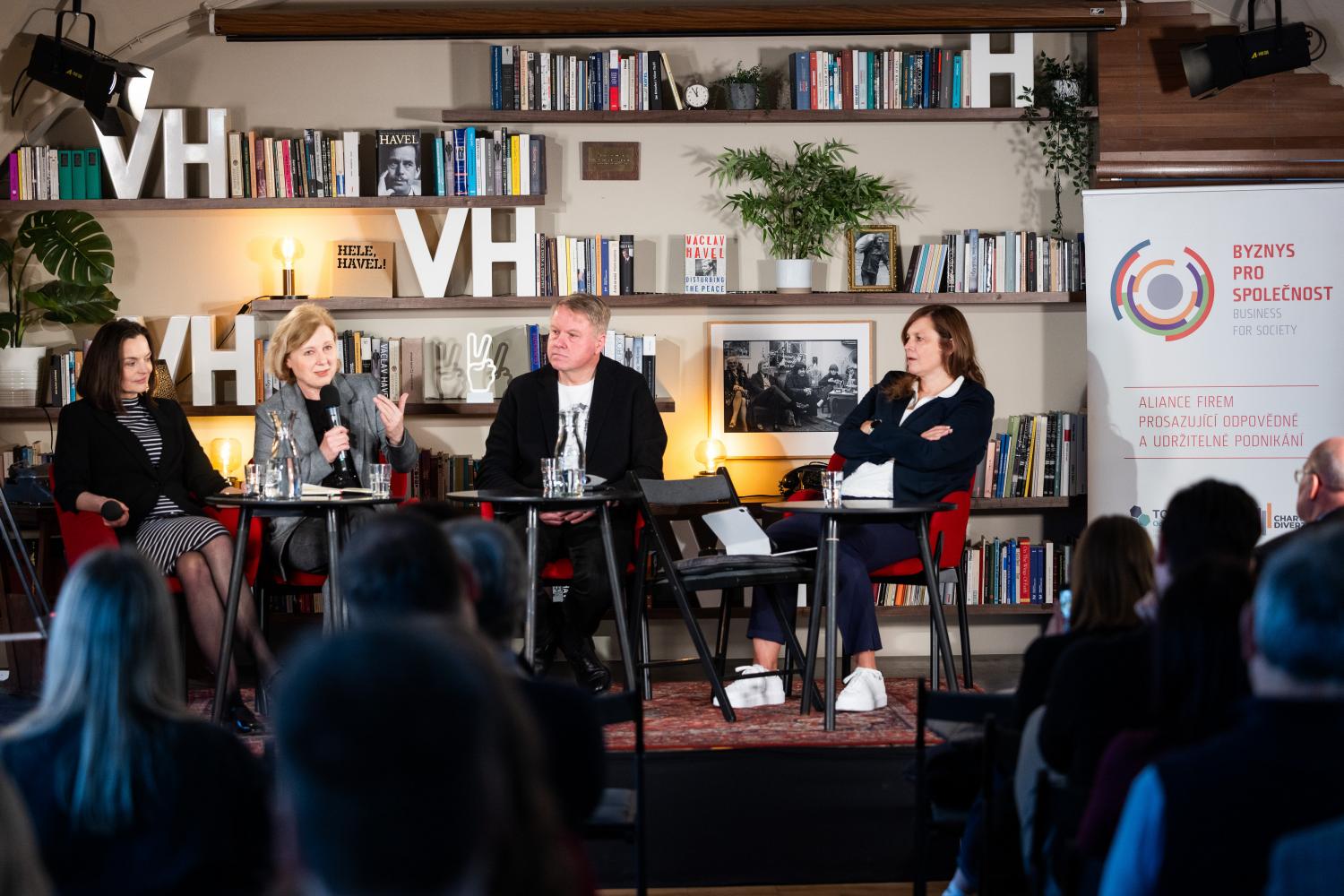
This was one of the key messages of the first debate in the new Křižovatky21 series, which we launched on March 17 at the Václav Havel Library. The distinguished guests were Věra Jourová, former European Commissioner, Vice-President of the European Commission for Values and Transparency, adviser to the President of the Czech Republic, and member of the Ethics Committee of the European Central Bank; Martin Bursík, President of the European Renewable Energies Federation, representative of the Chamber of Renewable Energy Sources, and former Minister of the Environment; and Pavlína Kalousová, Chief Corporate Affairs Officer at Asahi Europe & International and founder of the Czech Diversity Charter. The debate was moderated by journalist Barbora Kroužková.
From an economic perspective, the green transition is a necessity, not a choice. Companies are already planning investments with a long-term horizon and are taking into account sustainability rules set by the European Commission. This framework – from emission targets to financing conditions – influences the decisions of businesses, financial institutions, and governments alike. A return to a “carbon-based economy” would mean not only a political step backwards, but also real economic losses and weakened competitiveness.
Among the key points raised during the discussion were:
Energy security remains one of the central issues. The experience of recent years, as well as current developments, has shown how vulnerable Europe is due to its dependence on imported fossil fuels. The shift to renewable energy sources and modern technologies is therefore not only a matter of climate protection and energy savings, but also a strategic condition for greater stability and independence.
Without support and further investment in innovation – whether in energy, industry including circular solutions, digitalisation, clean mobility, or regenerative agriculture – the stated goals cannot be achieved. However, the pace of the transition must reflect real-world developments and the availability of technologies.
The regulatory framework itself also plays an important role. It should set clear, proportionate, and functional rules. If administrative demands begin to outweigh the benefits of the transition, this may weaken the willingness of companies and the public to support the changes.
The social dimension is equally essential. The transition will only be sustainable in the long run if it does not deepen social inequalities. It must therefore be fair and create new opportunities for people, better-quality jobs, and improved living conditions.
It is precisely the combination of these factors that makes the green transition essentially unstoppable. This is not a one-off political decision, but a profound structural change – a transformation of the economy, the way we think, and the everyday functioning of society.
The key question is not whether it will happen, but how it will be managed – and whether, in practice, it will be effective, understandable, and beneficial for the broadest possible part of society.
We would like to thank all speakers for an open and engaging discussion. We also thank the Václav Havel Library for its support and cooperation. The symbolism of the library, associated with freedom of thought, human dignity, and civic responsibility, is becoming the “home” of this new debate platform on the direction of a sustainable and democratic society in the 21st century.
Photogallery

BPS – Byznys pro společnost, z. s.
V Tůních 1357/11, 2nd floor
Praha 2, 120 00
Tel.: +420 739 717 789
info@byznysprospolecnost.cz
www.byznysprospolecnost.cz
Co-funded by the Rights, Equality and Citizenship Programme of the European Union