Europe Needs Responsible Companies More Than Ever – Highlights from the New Year’s Business Gathering
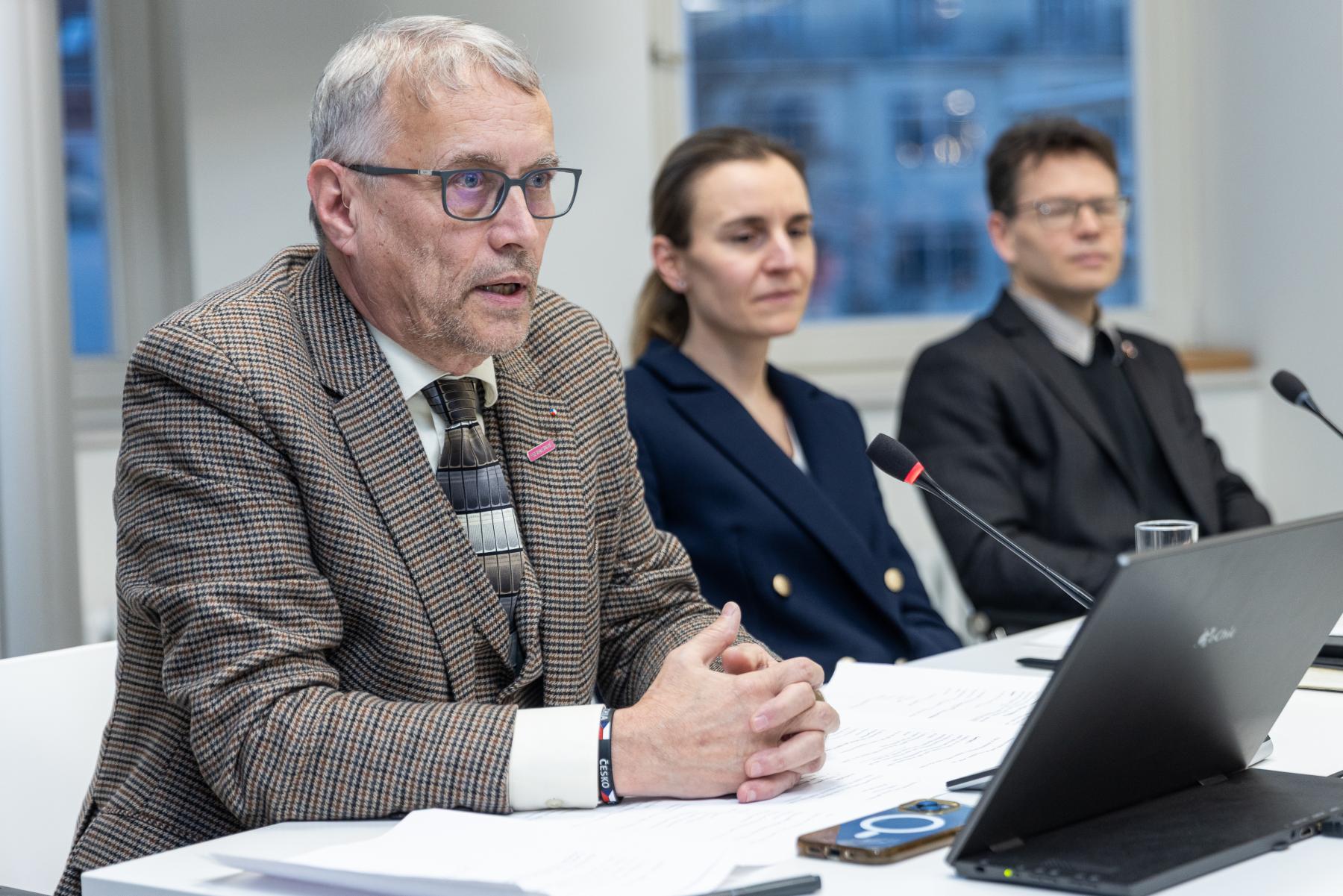
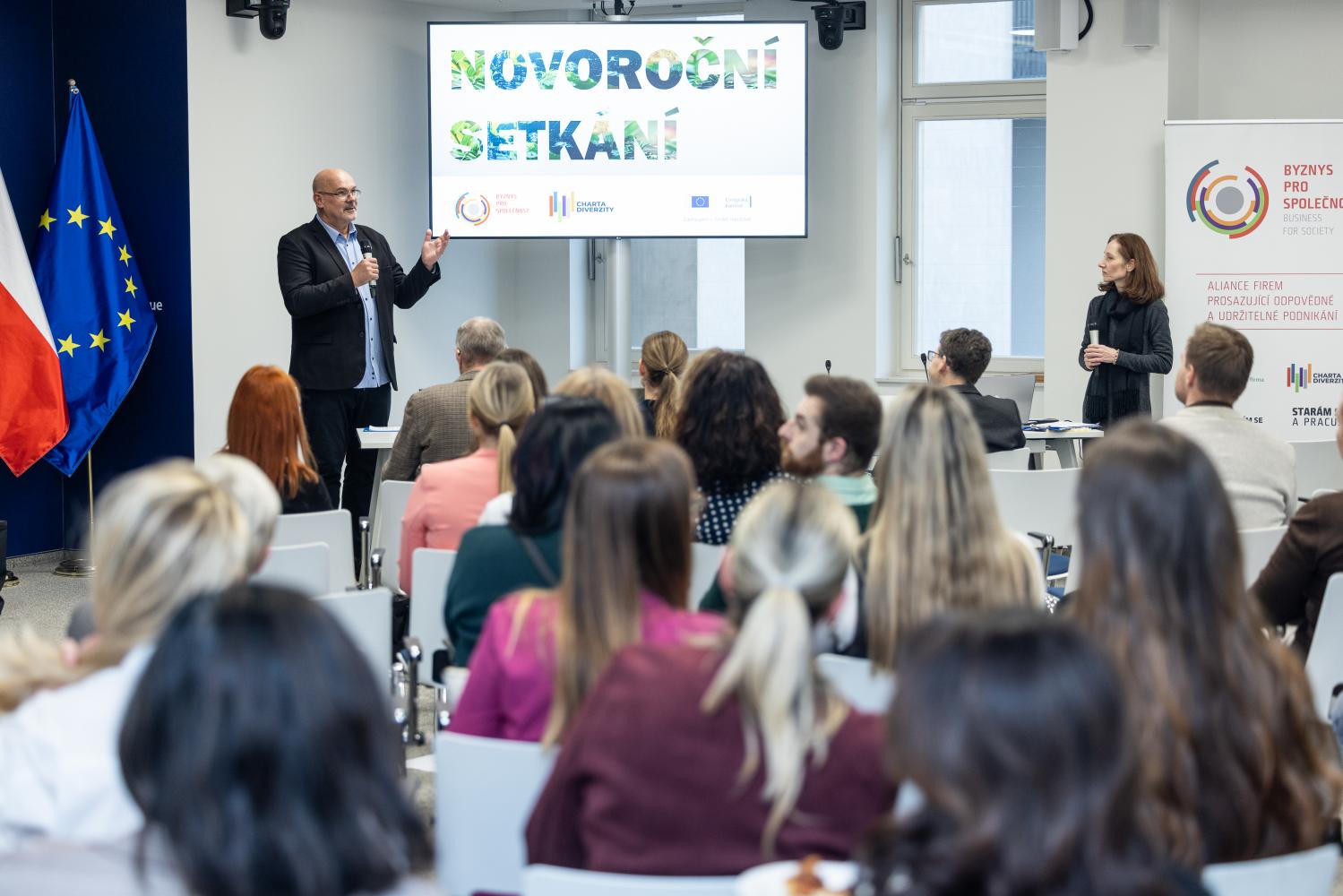
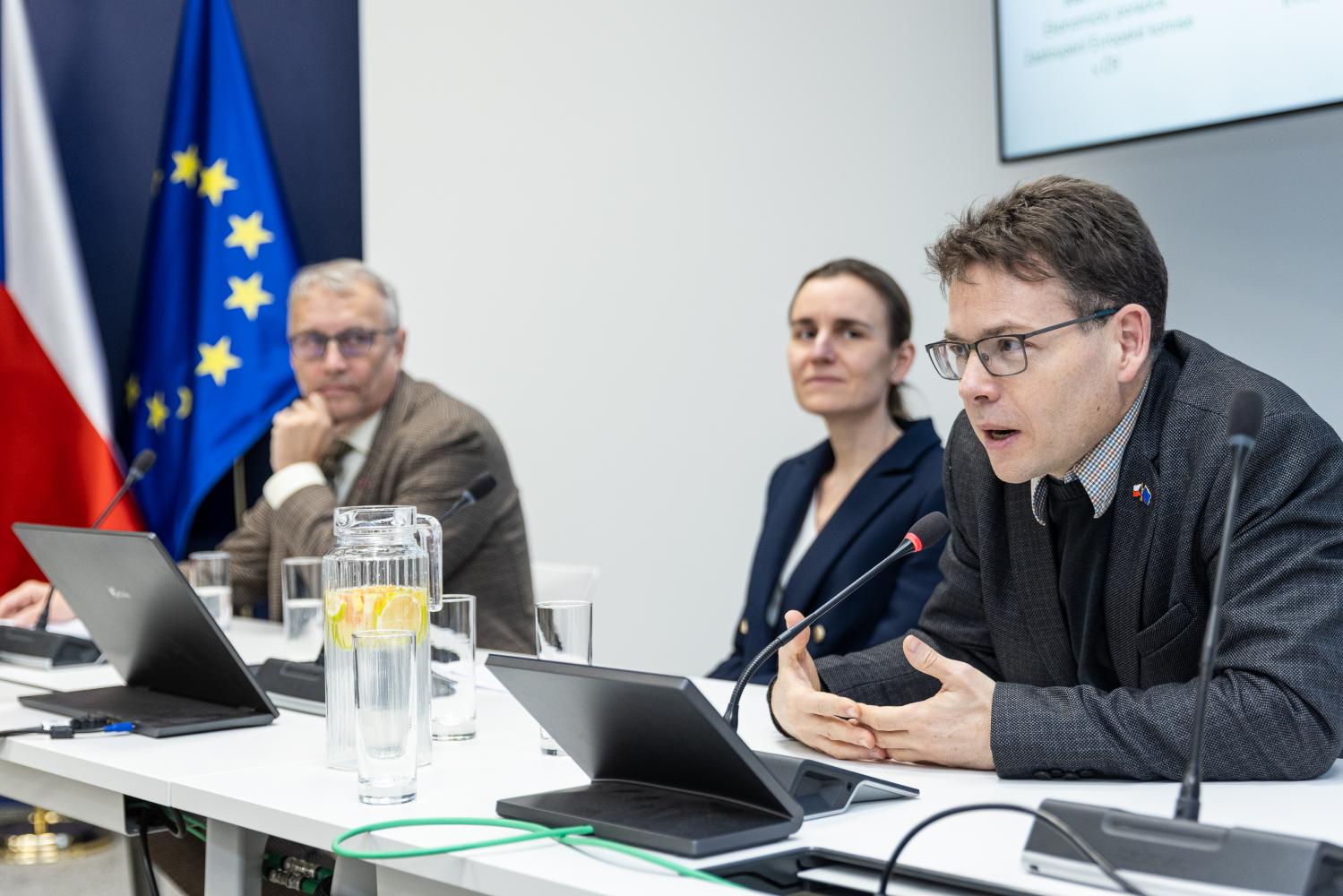
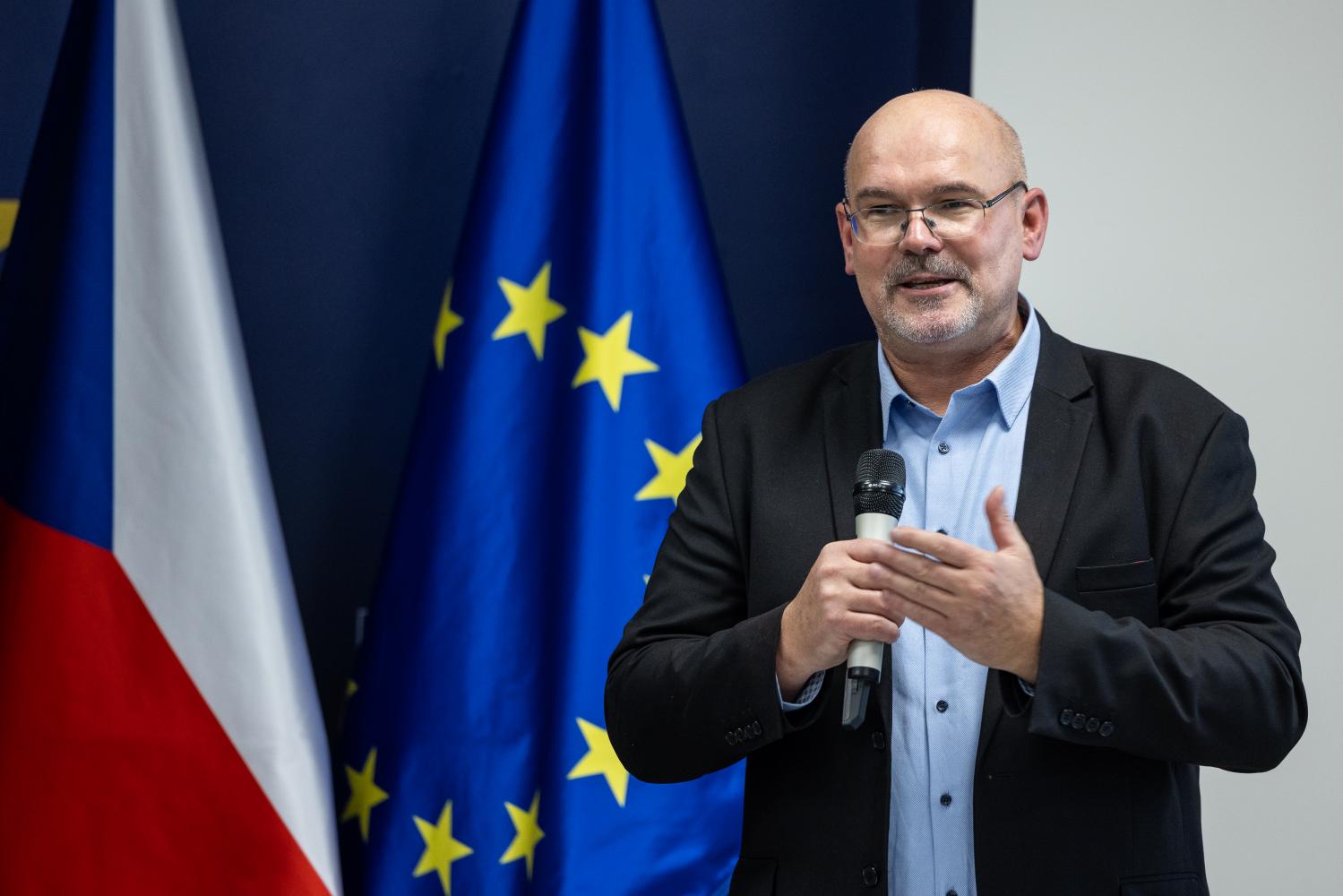
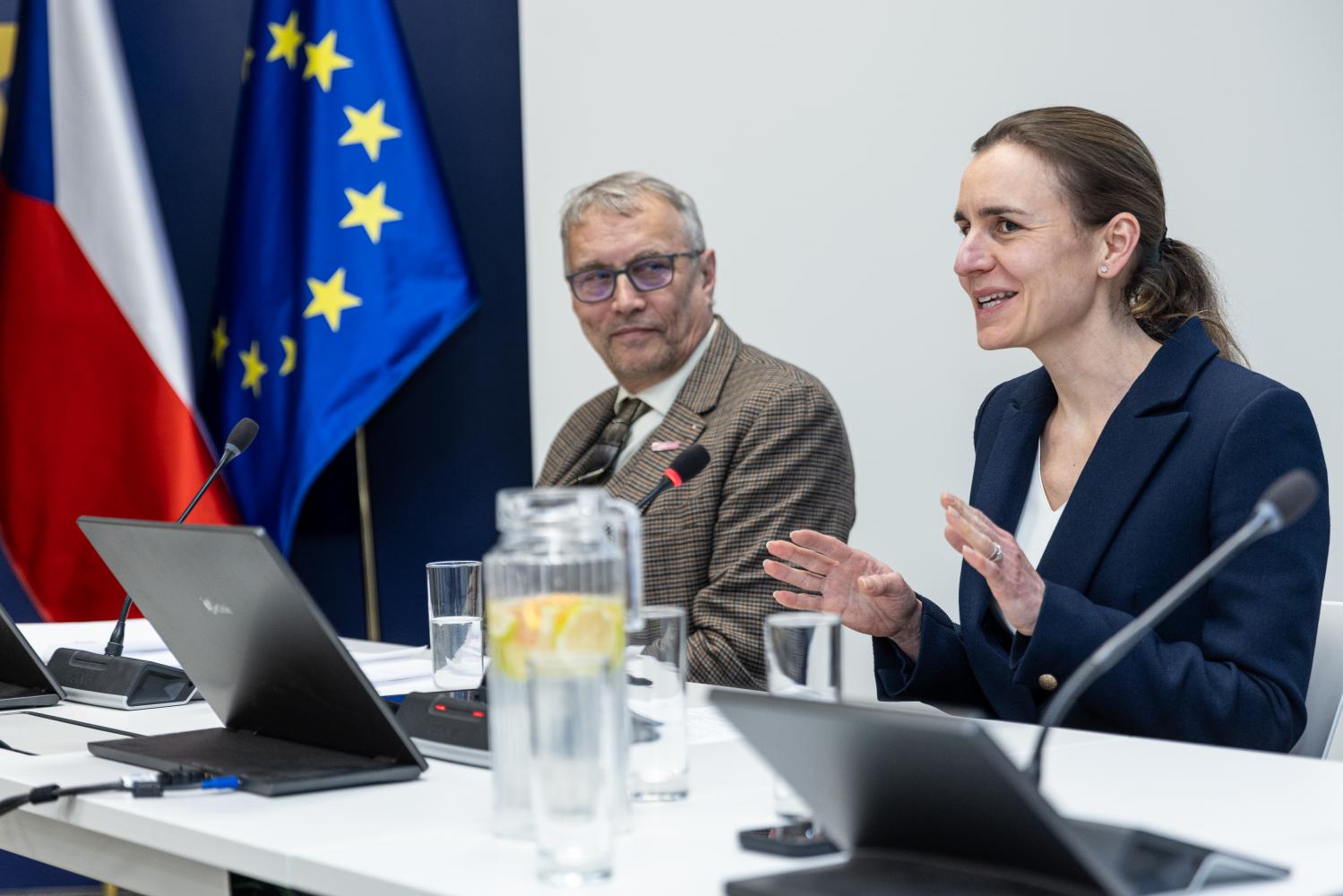
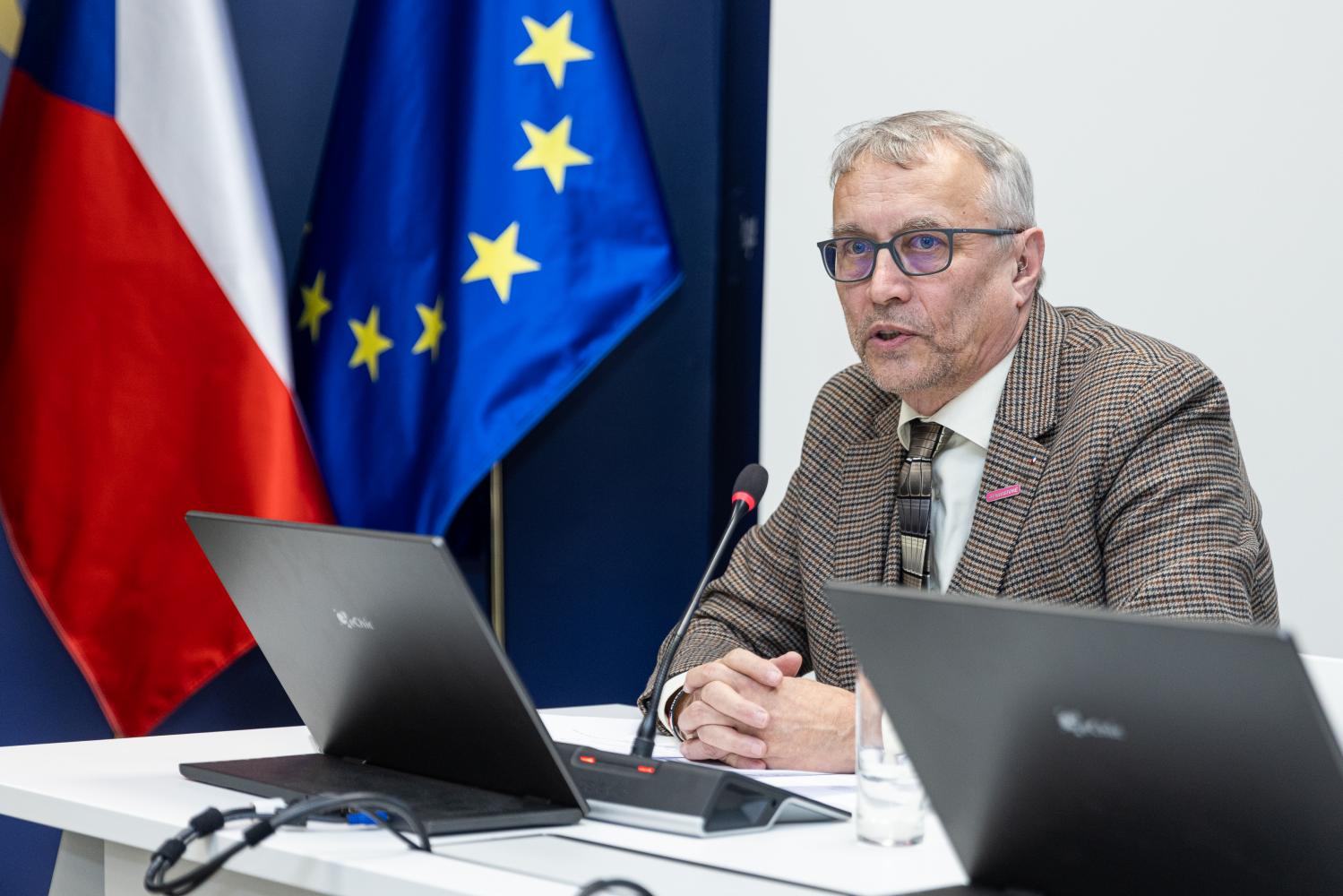
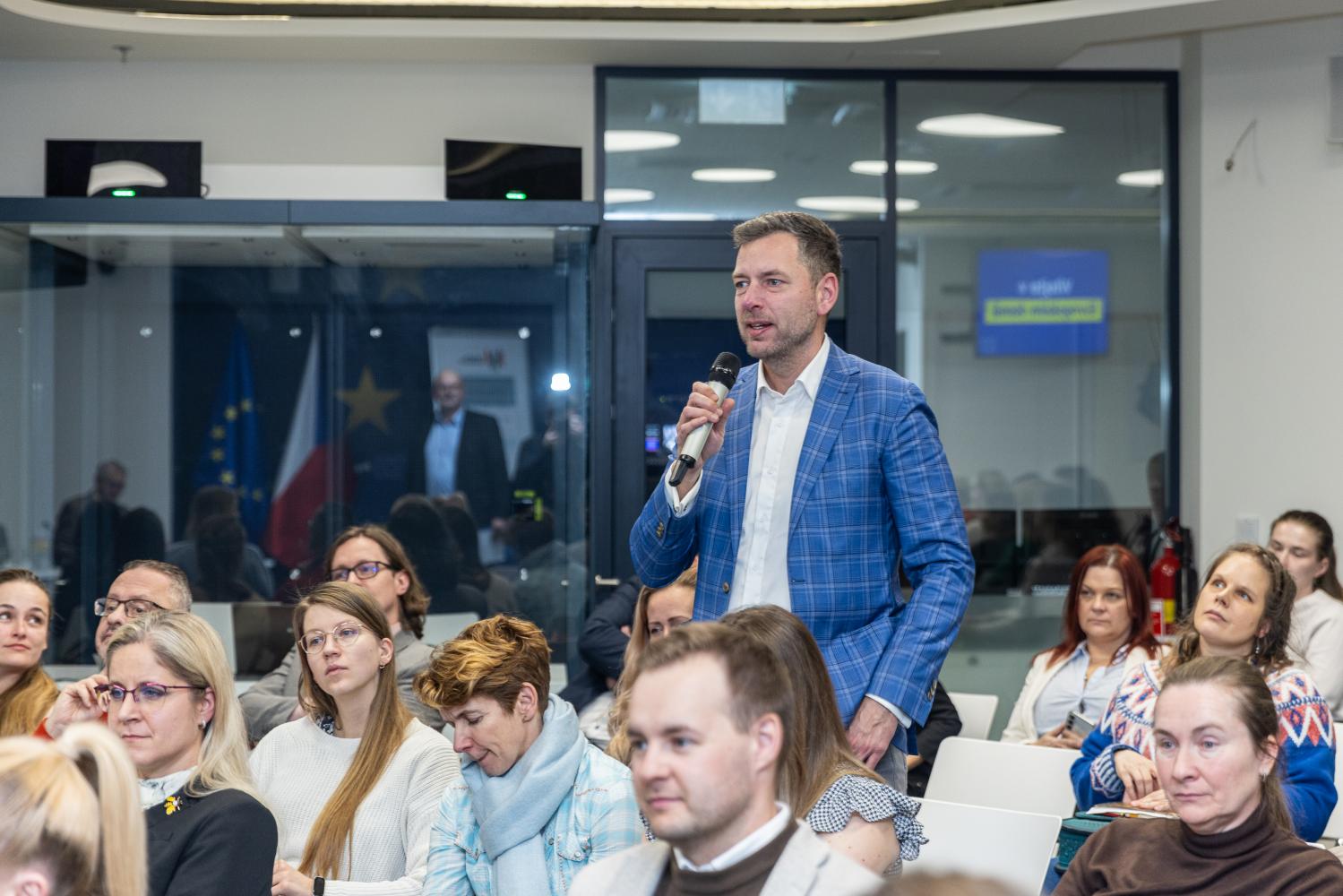
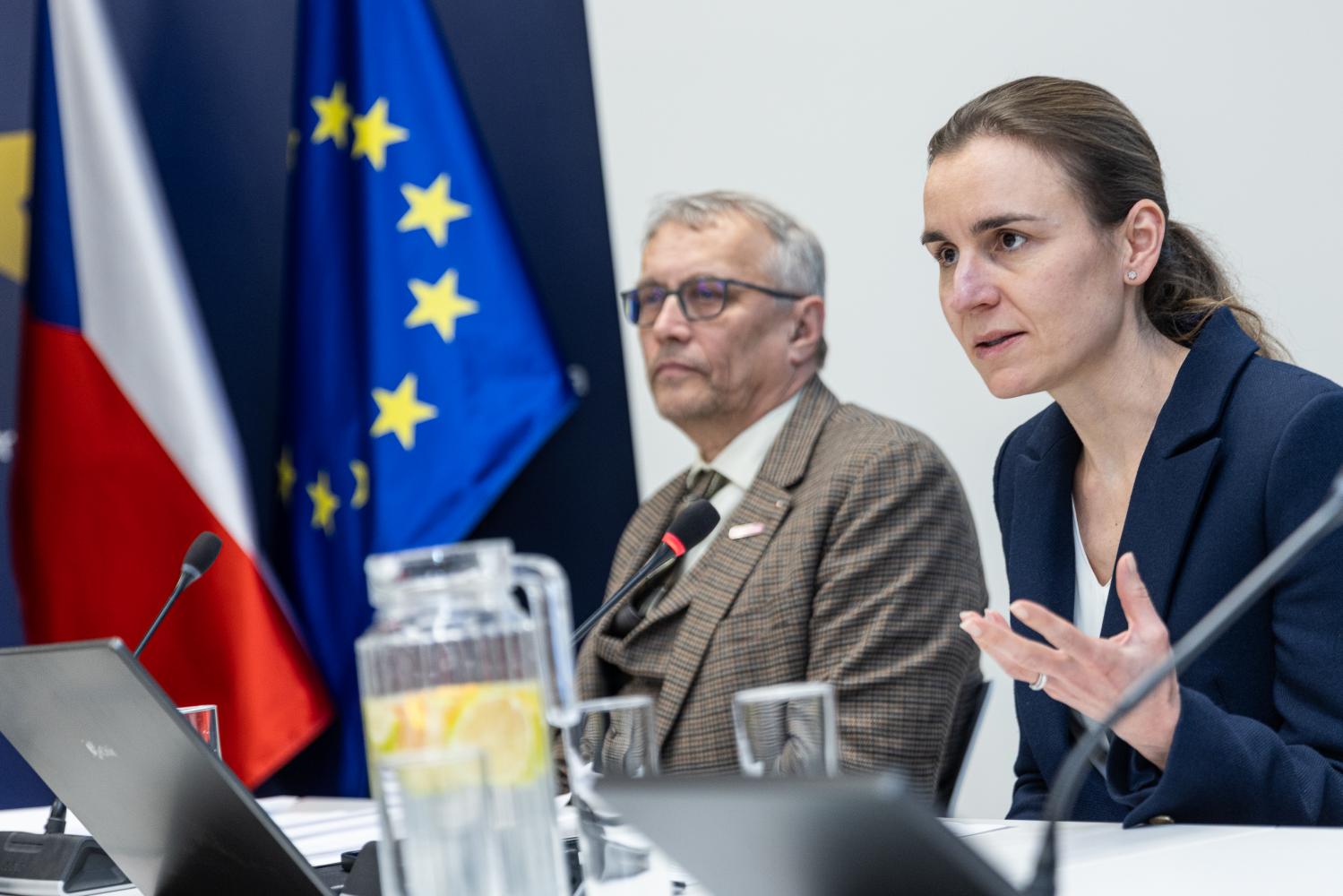
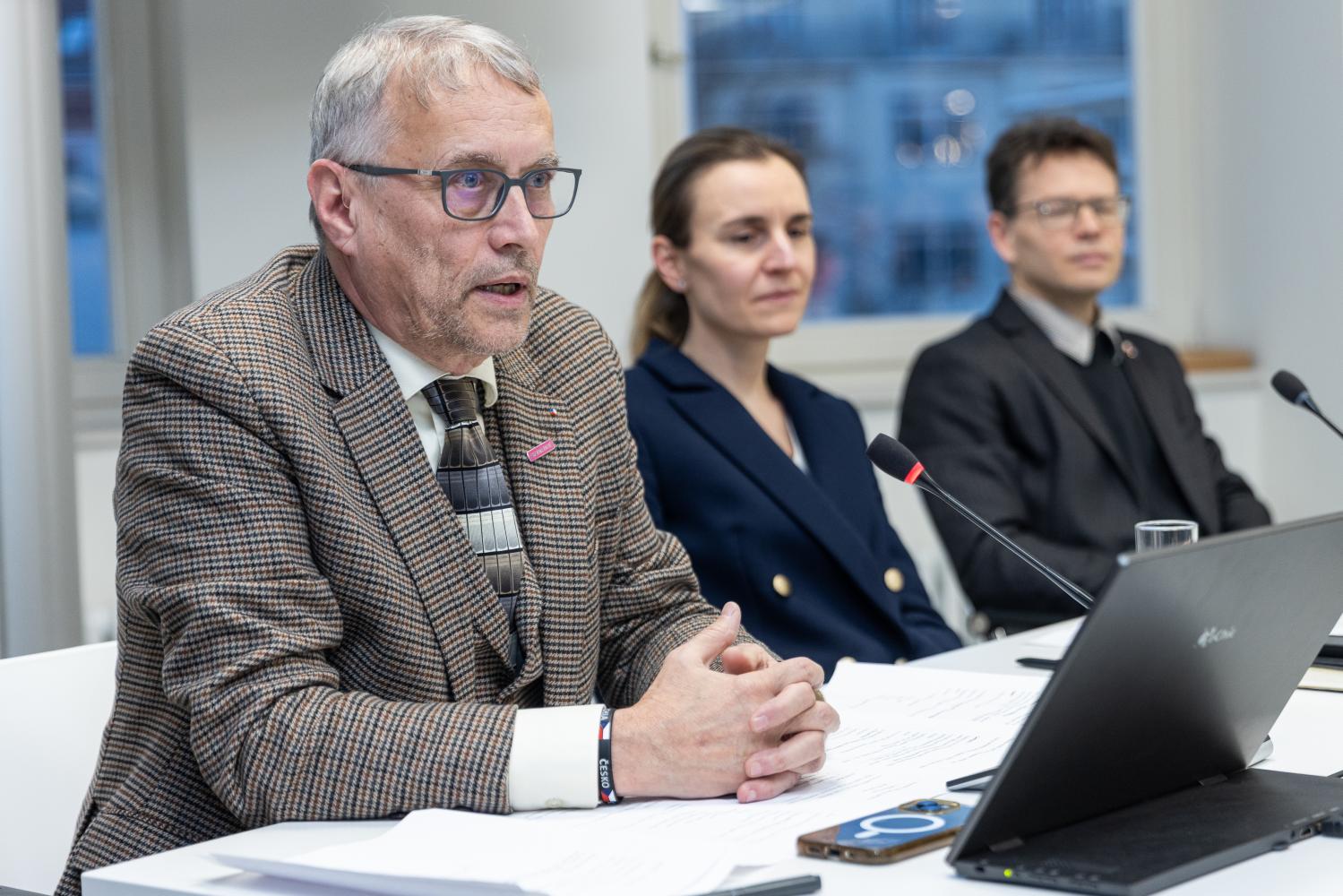
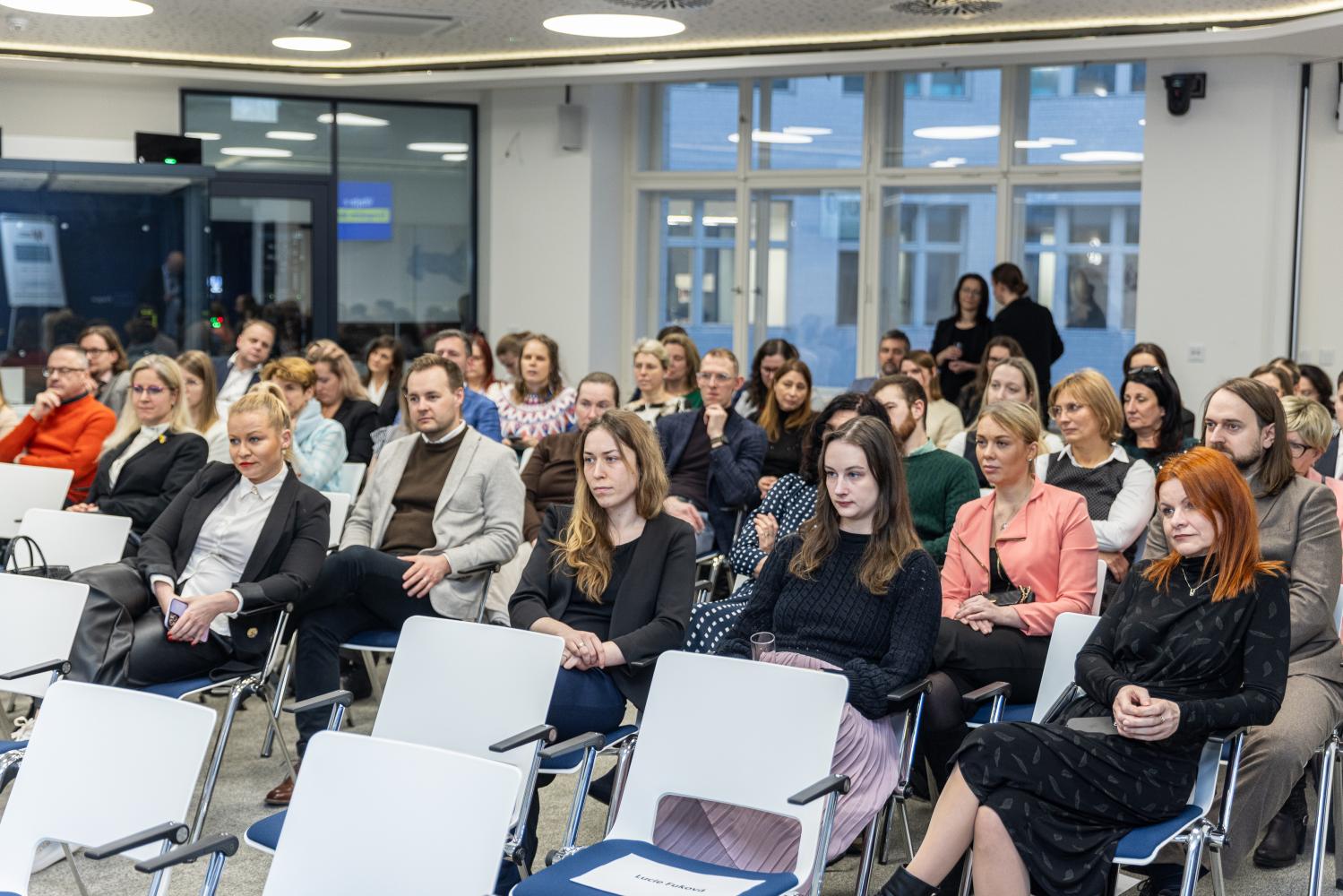
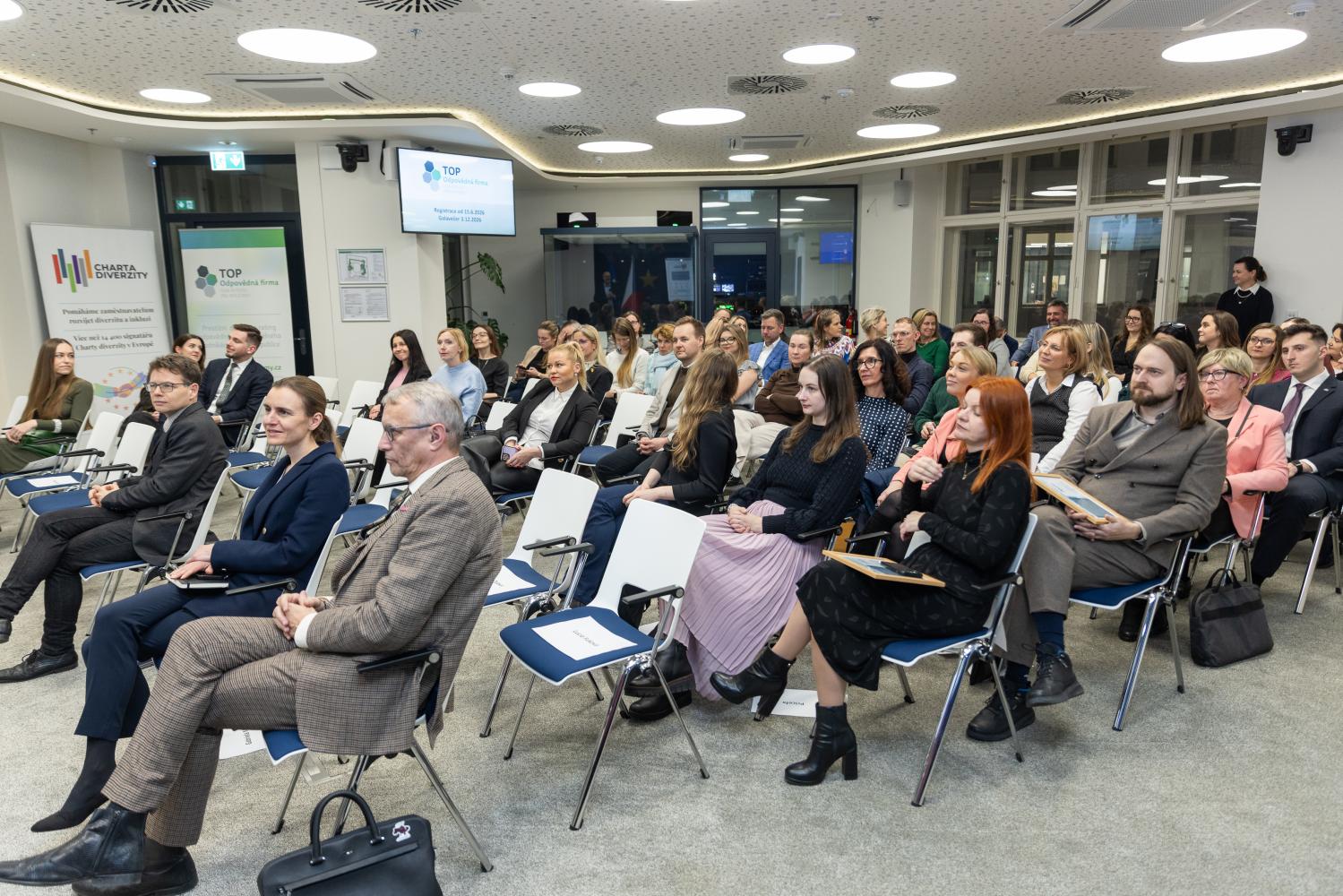
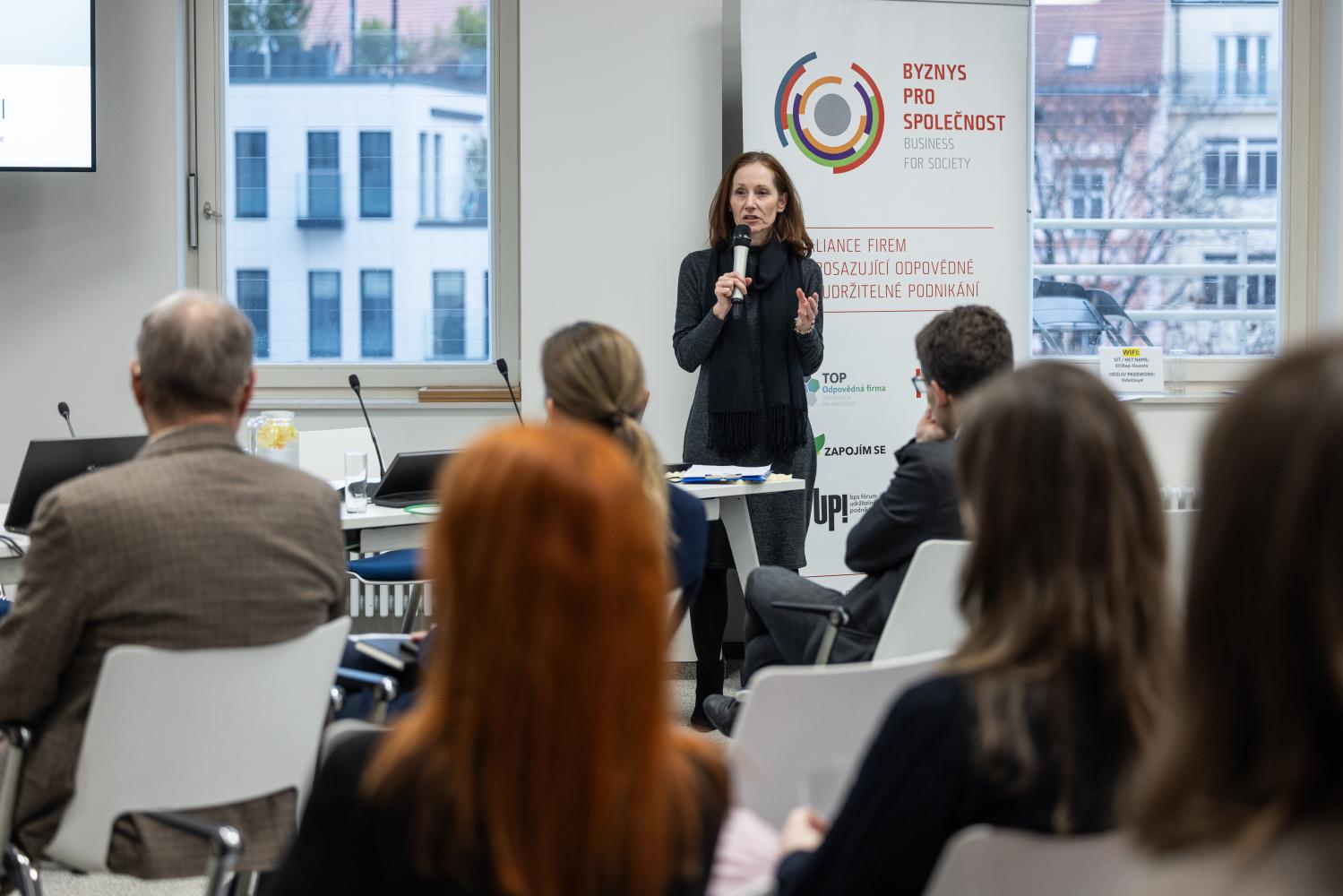
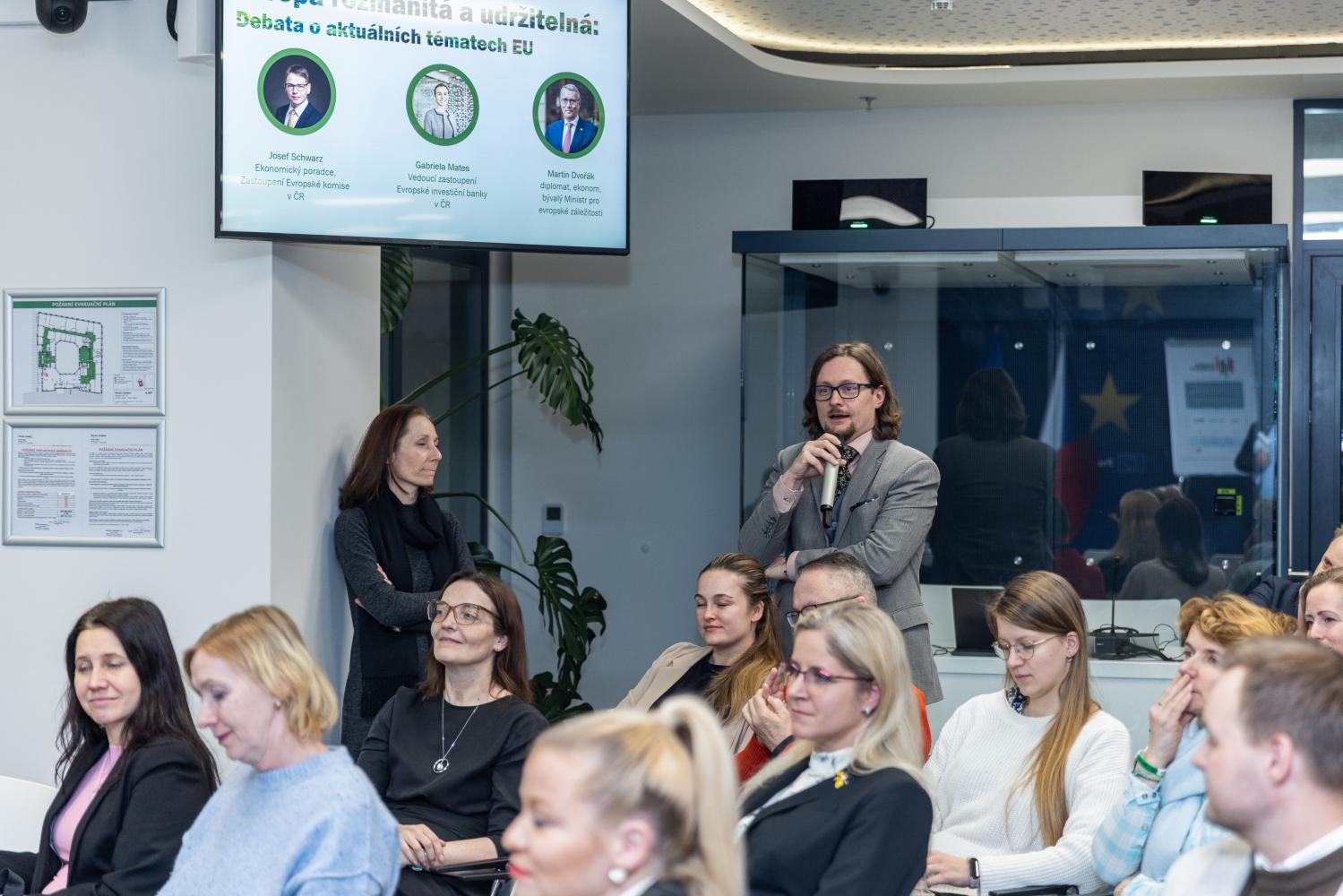
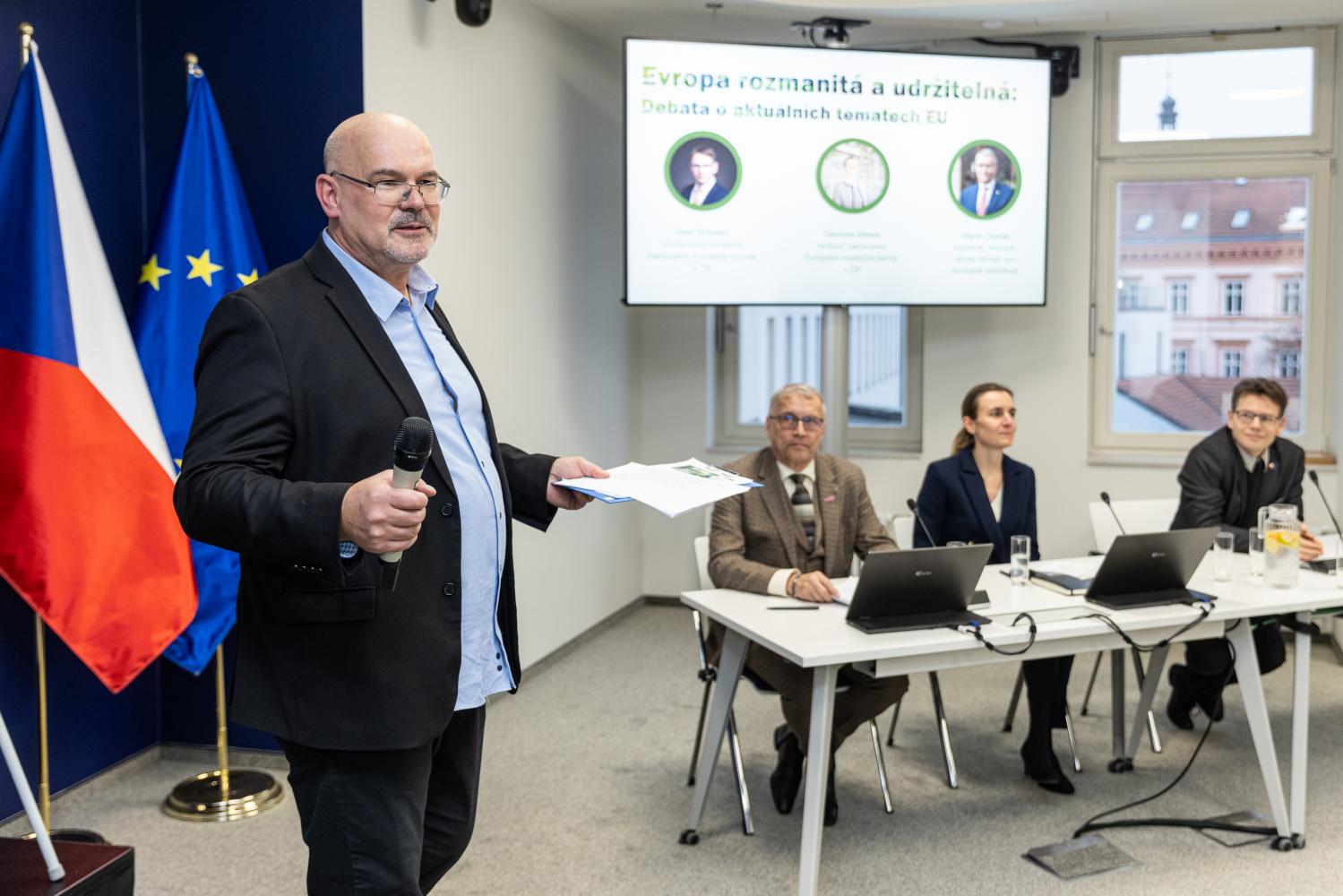
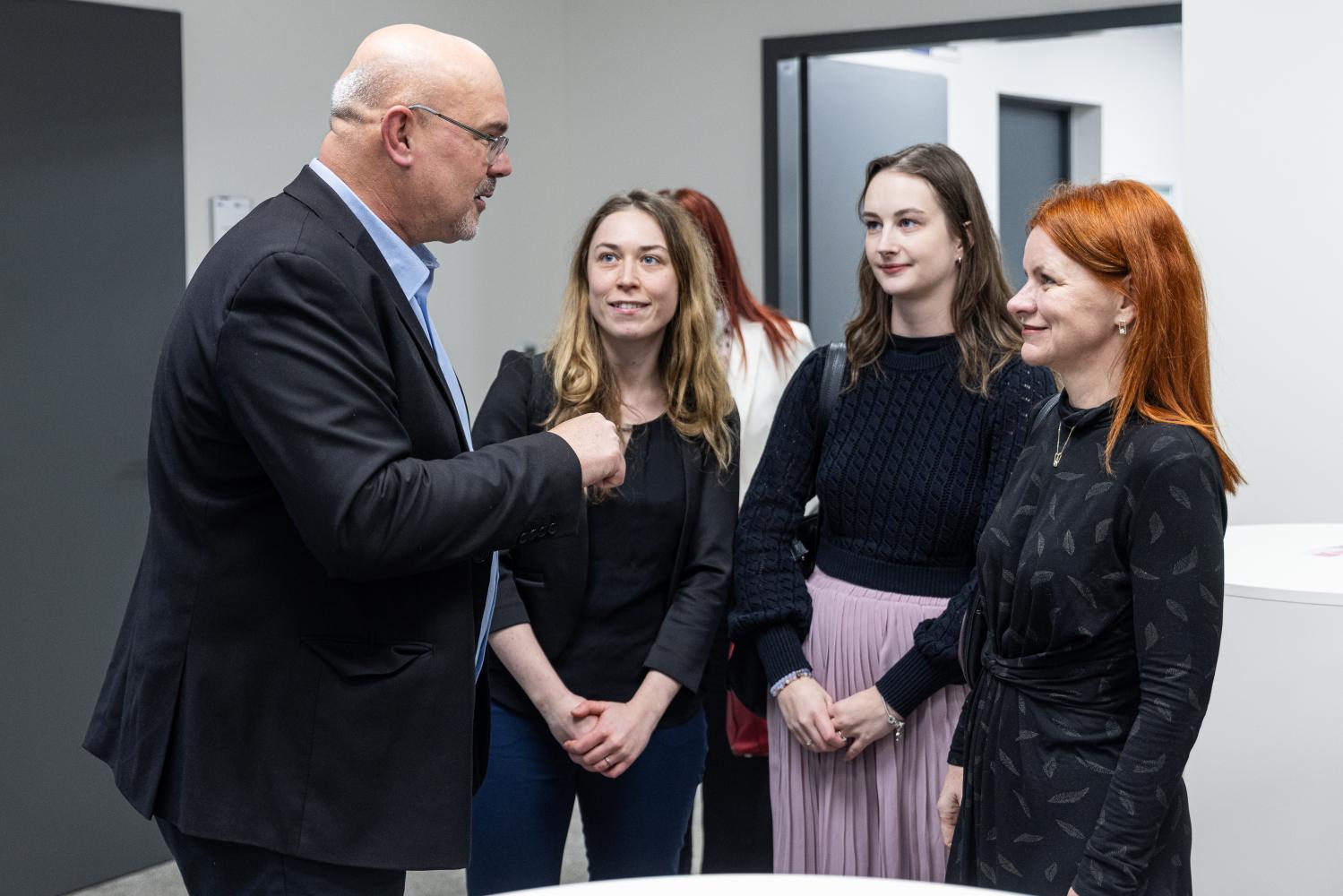
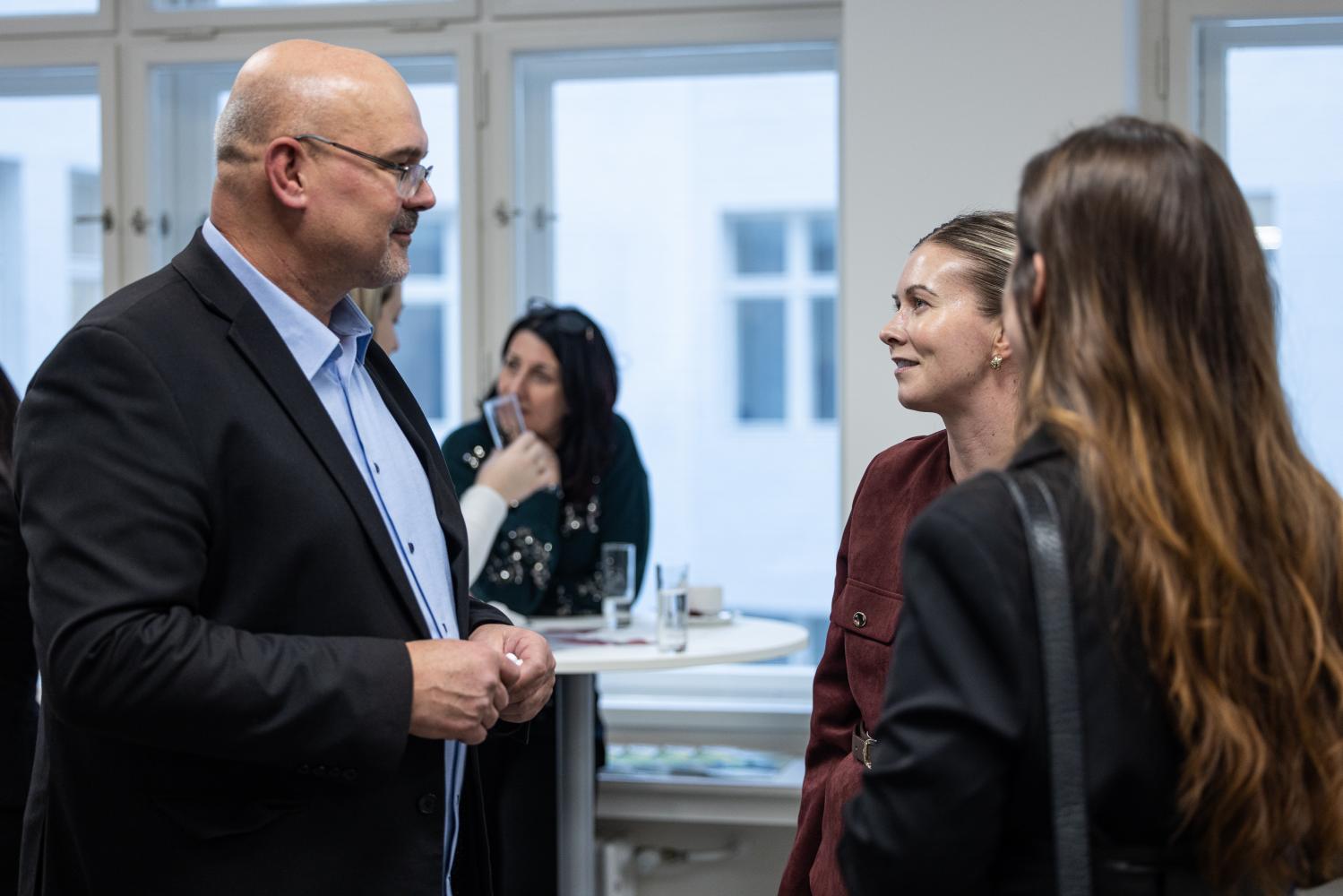
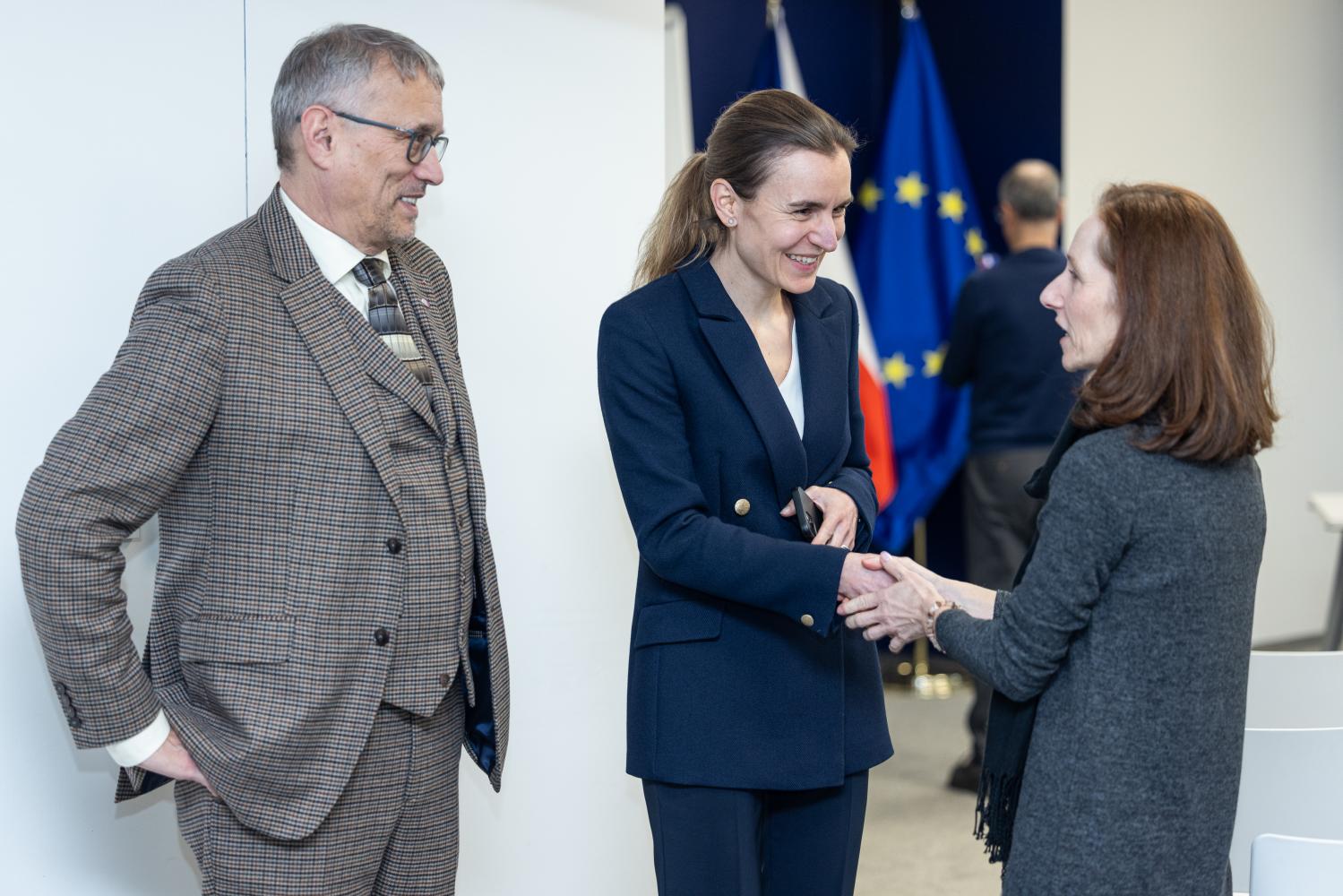
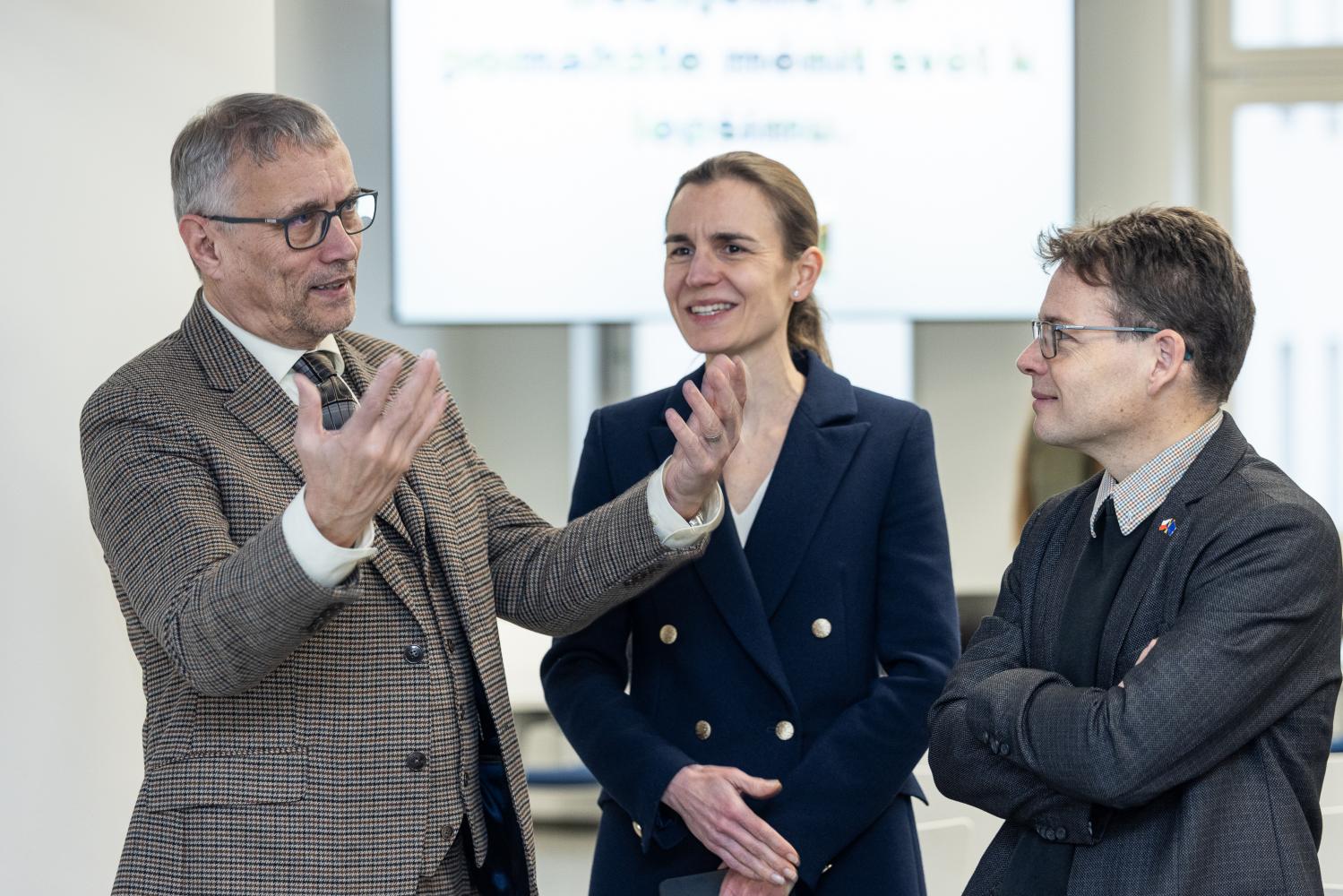
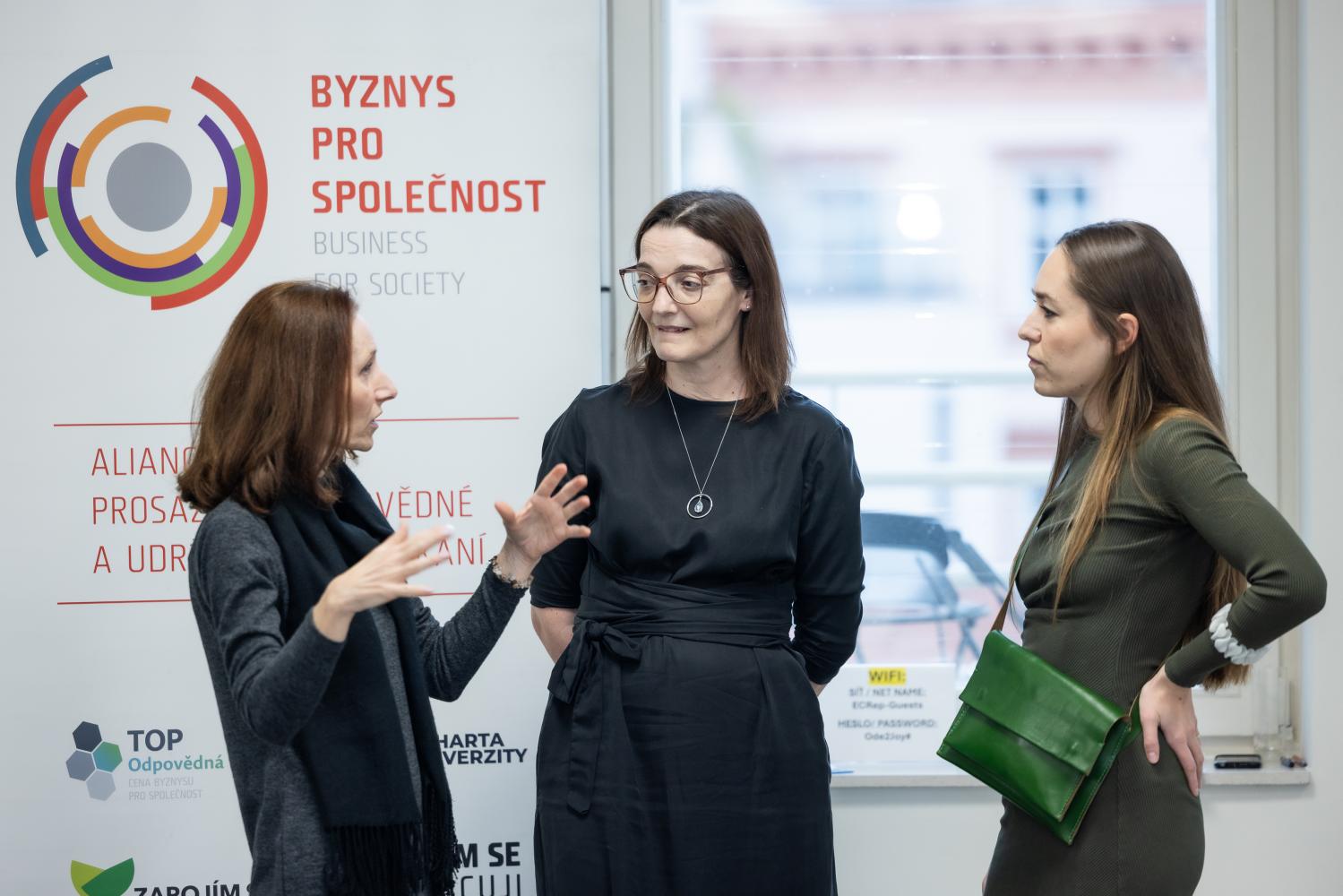
This year, we held our traditional New Year’s Gathering directly at the premises of the Representation of the European Commission in the Czech Republic in Prague. The programme also included strengthening cooperation between responsible business and the European Commission in the areas of sustainability and green transformation. In a short debate on current issues related to “Europe and the sustainability of values”, we welcomed VIP guests: former Minister for European Affairs Martin Dvořák, Josef Schwarz representing the European Commission, and Gabriela Mates representing the European Investment Bank. Former European Commissioner Věra Jourová also contributed to the debate via video message.
What was discussed?
In the current geopolitical context, the European Union is responding to a changing reality and shifting its priorities. Across all areas, there is a stronger emphasis on security, including support for the defence industry. A key topic remains Europe’s competitiveness – from the Clean Industrial Deal and efforts to reduce the administrative burden on companies (e.g. the Omnibus, including the “simplification” of the CSRD Directive) to building a single legislative framework designed to make doing business easier across the entire EU.
Josef Schwarz (Representation of the European Commission in the Czech Republic) also emphasized the great importance of new free trade agreements with the Mercosur countries and with India, which will open up new business opportunities for European companies.
“Trade and partnership agreements with the South American Mercosur countries and India demonstrate that, at a time of the greatest geopolitical turbulence in decades, key global economies are interested in rules-based and predictable trade with Europe. This represents a major opportunity for the export-oriented Czech economy, both in traditionally strong sectors such as the automotive industry or engineering, and also, for example, for beer producers. In addition to removing trade barriers, both agreements will help diversify our supply chains and thus strengthen our economic security,” said Josef Schwarz.
Josef Schwarz also praised the work of responsible companies and their efforts to develop sustainable business.
Gabriela Mates, Head of the European Investment Bank Representation in the Czech Republic, presented the activities of the EIB Group, which is the lending institution of the European Union and whose main task is to provide long-term financing for projects that fulfil EU policy objectives, including the green transformation. Other areas of support include innovation, digitalization, defence and security, and social infrastructure. More than half of its investments go specifically towards supporting environmentally sustainable projects.
What can companies turn to the EIB for?
“The EIB can provide Czech companies with financing and advisory services, newly also through the TechEU initiative, which is the largest financial programme for innovation in Europe. A practical tool is the TechEU Investment Readiness Checker, which helps companies quickly identify which programmes, including InvestEU, the Innovation Fund or the European Innovation Council, are suitable for them,” explained Gabriela Mates.
Martin Dvořák said in his contribution that recently we have increasingly been encountering dangerous trends. From the public sphere and politics, we hear that sustainability is unnecessary, too expensive and too restrictive. That we must focus mainly on profit, here and now. That responsibility is a luxury we cannot afford in times of global competition.
“Sustainability is very often simplified and narrowed down ‘only’ to environmental topics. Protecting nature is important, but sustainability is a much broader concept: it is about the quality of life for all of us, social cohesion, a stable economy and responsibility for the future of our children and further generations,” said Martin Dvořák. He added: “Today’s problems – climate change, resource scarcity, growing social inequalities – will not disappear on their own. On the contrary. If we do not address them, they will only deepen.”
In this context, he emphasized that Europe and the EU are in a situation where they must preserve their key values and stand by them even in uncertain times. The real challenge is not whether to choose competitiveness or values. The real challenge is to learn how to build competitiveness together with values.
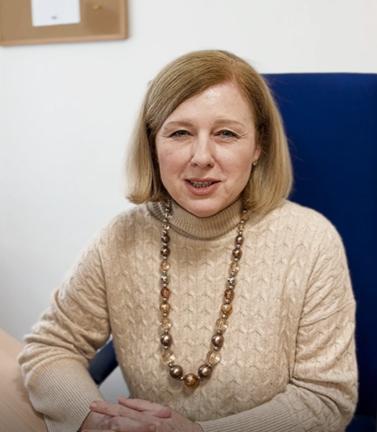
Věra Jourová broadened the debate in her contribution by addressing the topic of responsibility and highlighting the importance of responsible companies’ activities in these difficult times. She pointed not only to the importance of corporate social responsibility, but also to the application of a responsible approach to modern technologies, including AI and social media.
All the speakers reflected on the important role of responsible business. It is companies that can show that sustainability, responsibility and competitiveness are not mutually exclusive. On the contrary, they bring economic, environmental and social benefits for everyone.
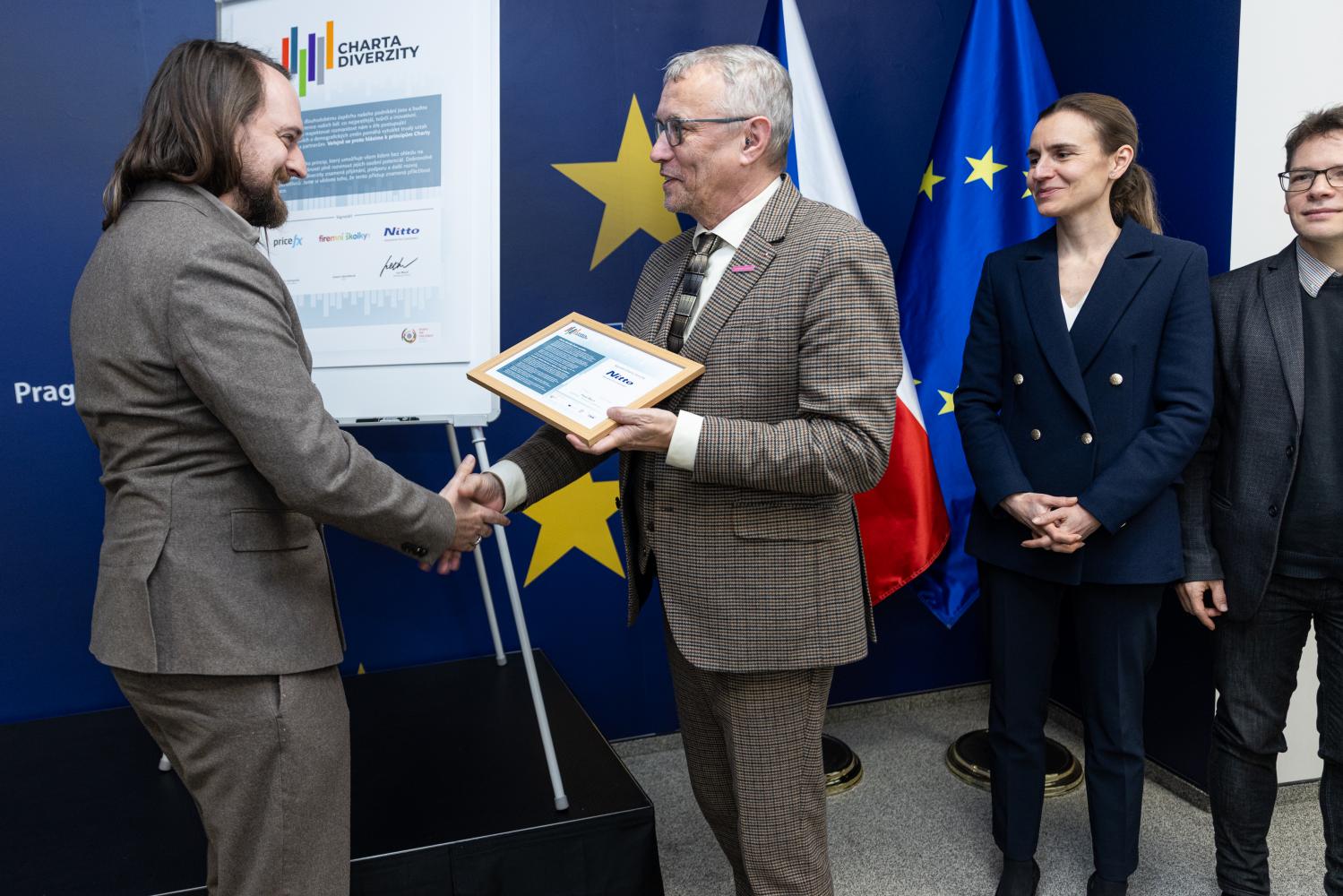
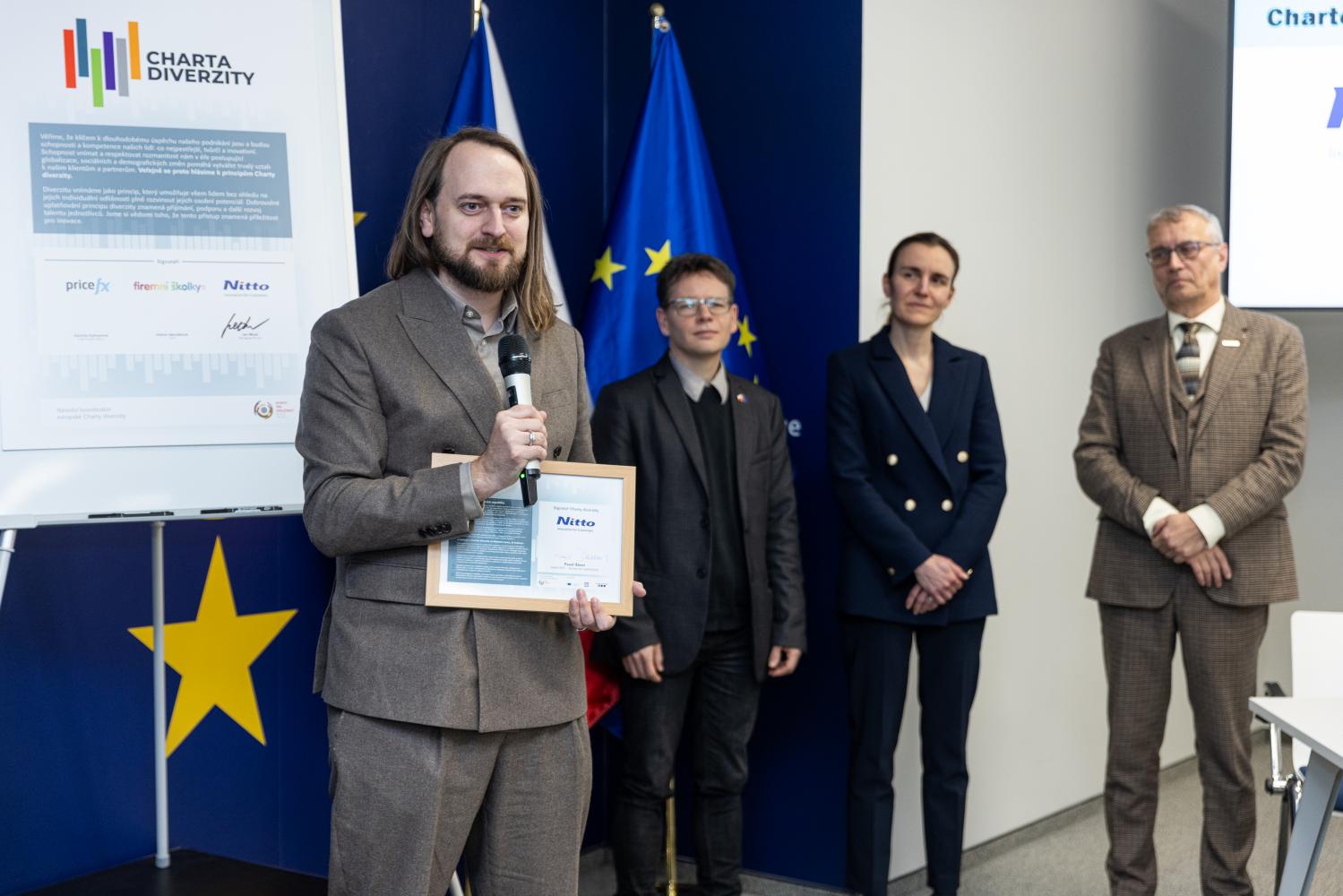
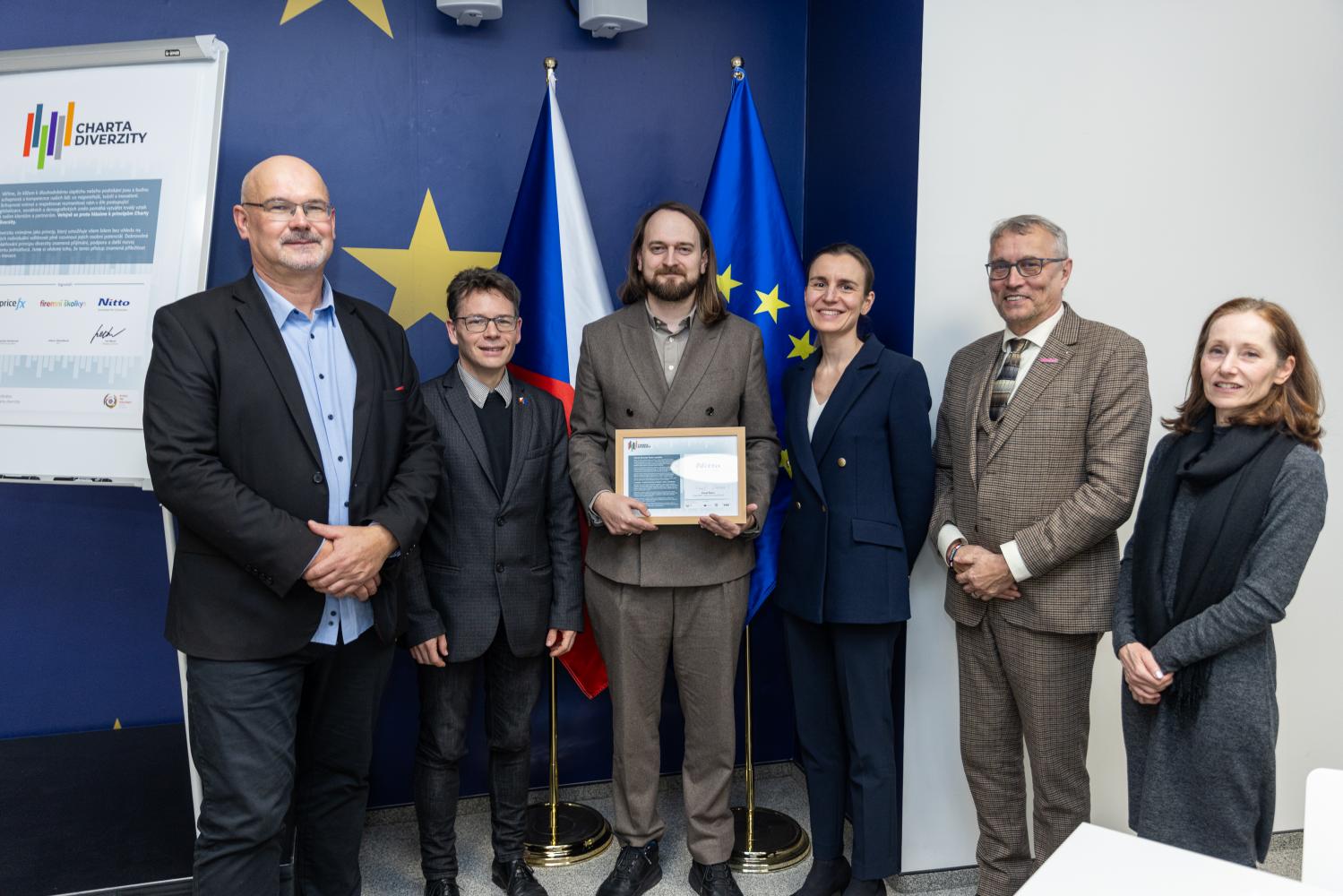
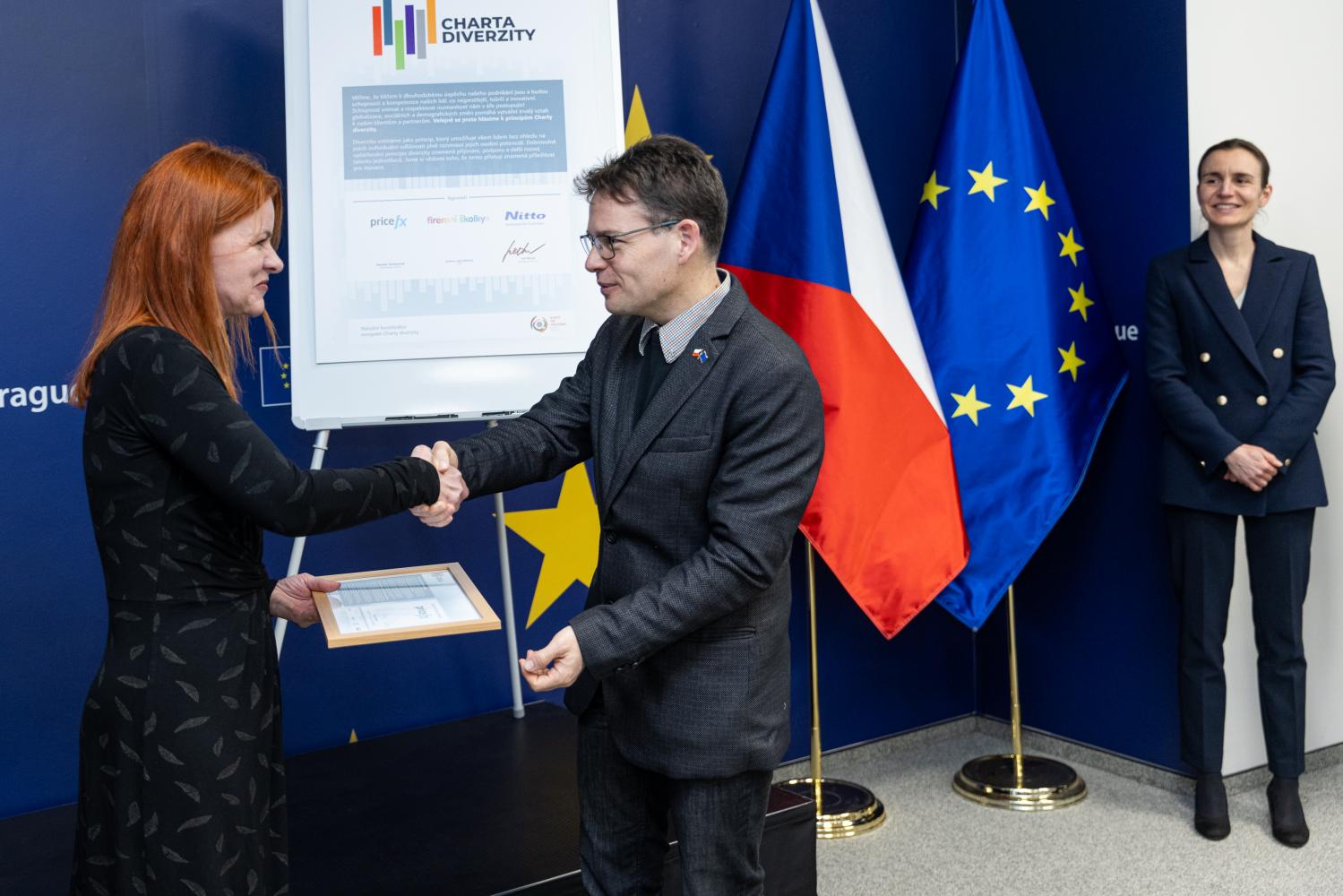
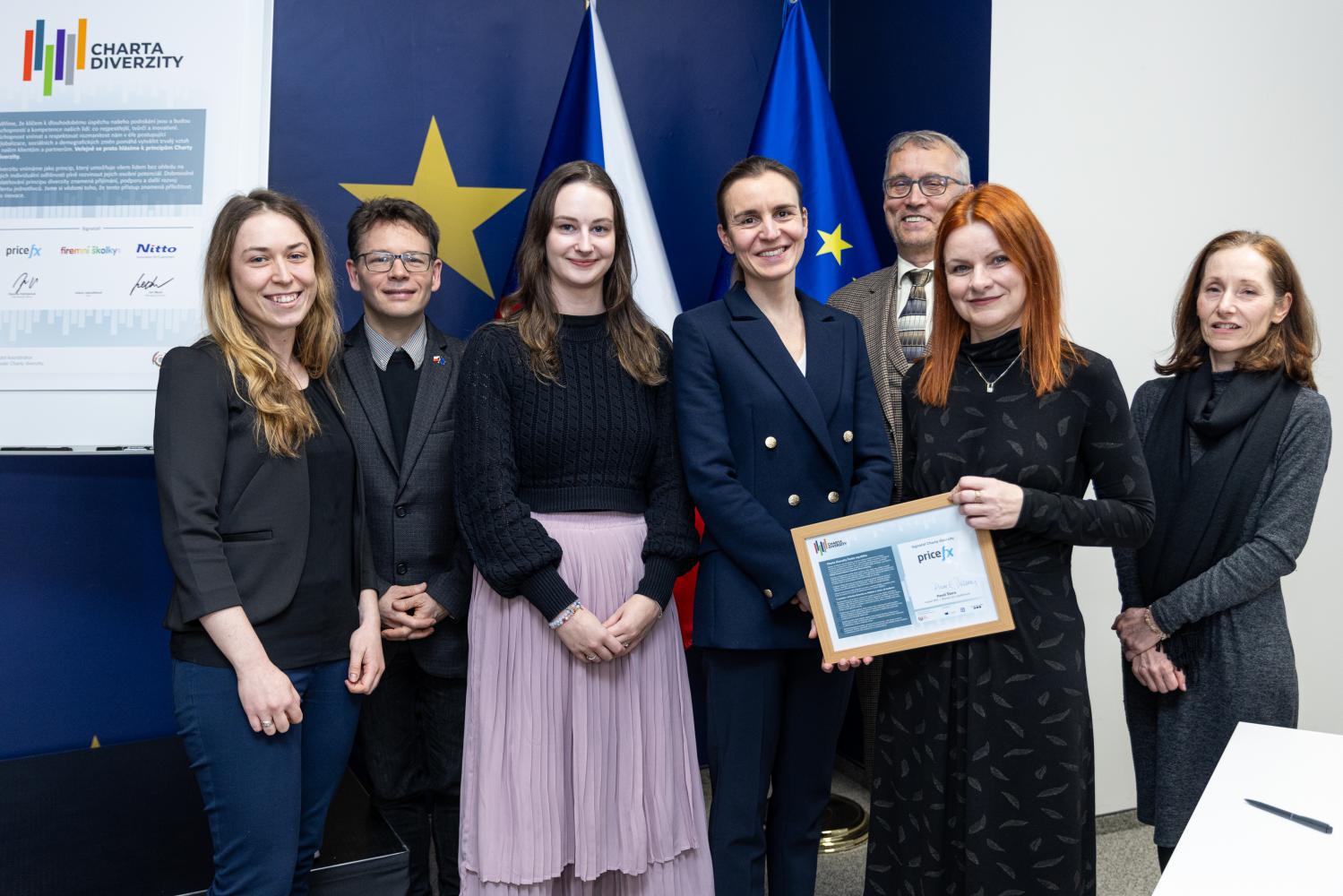
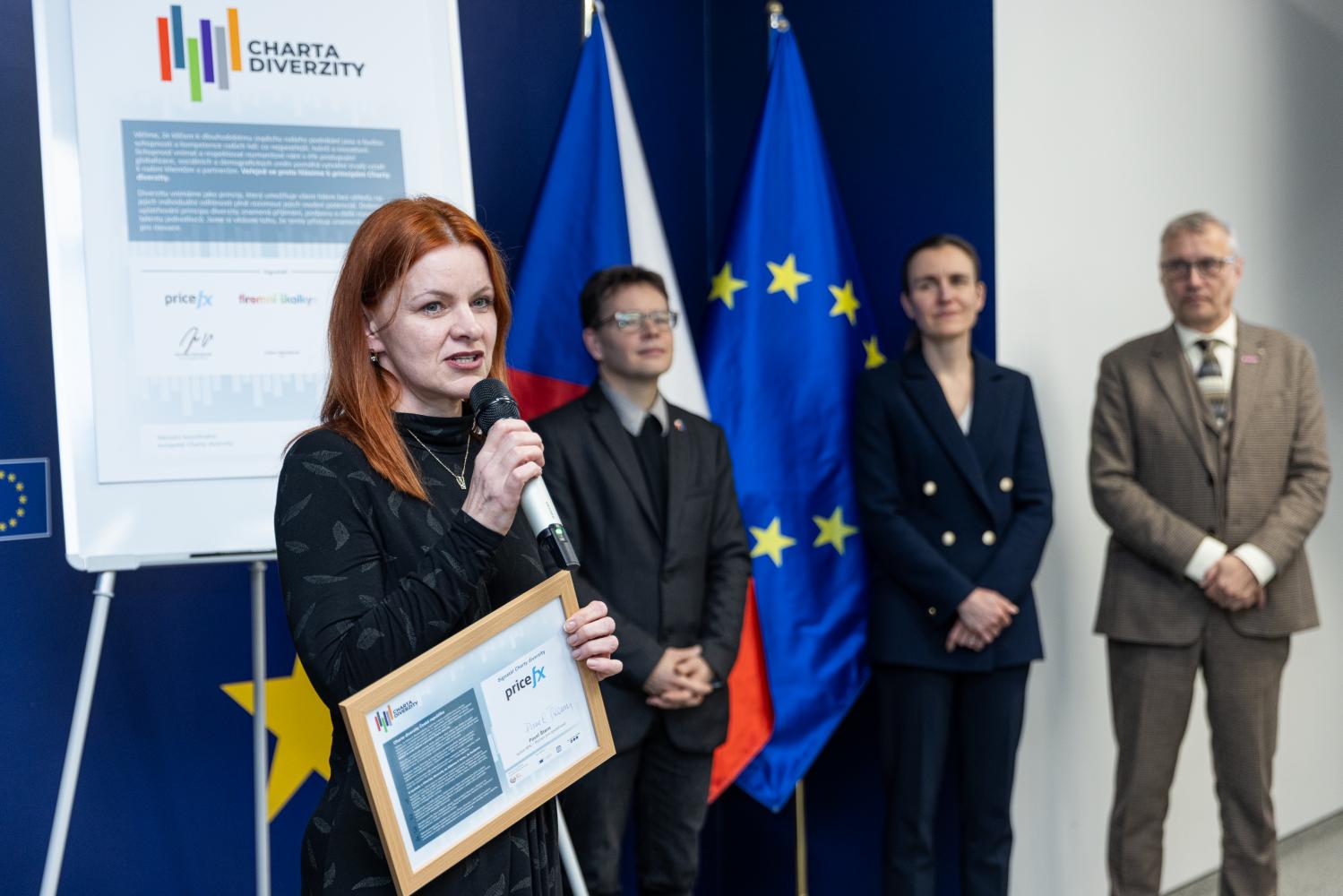
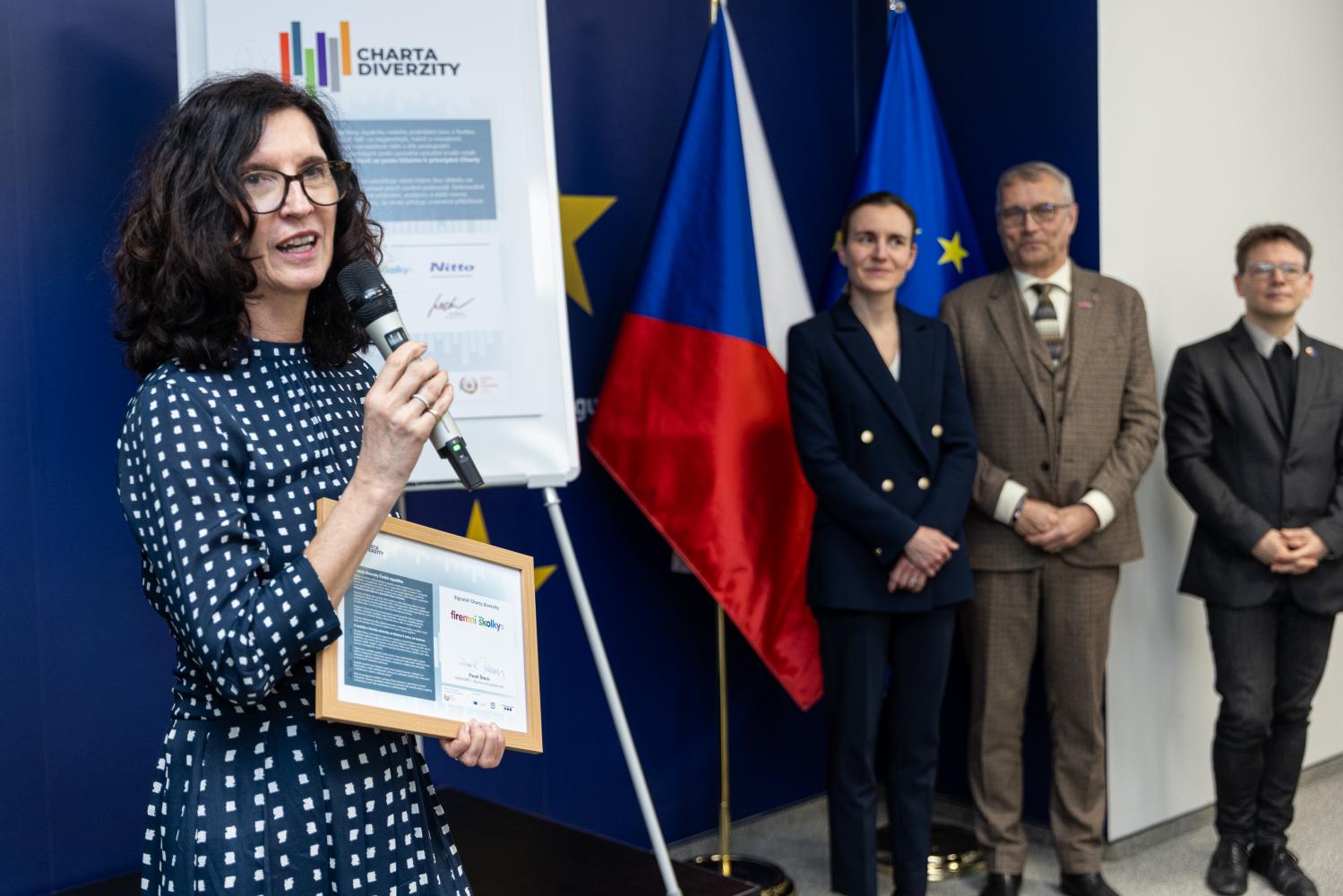
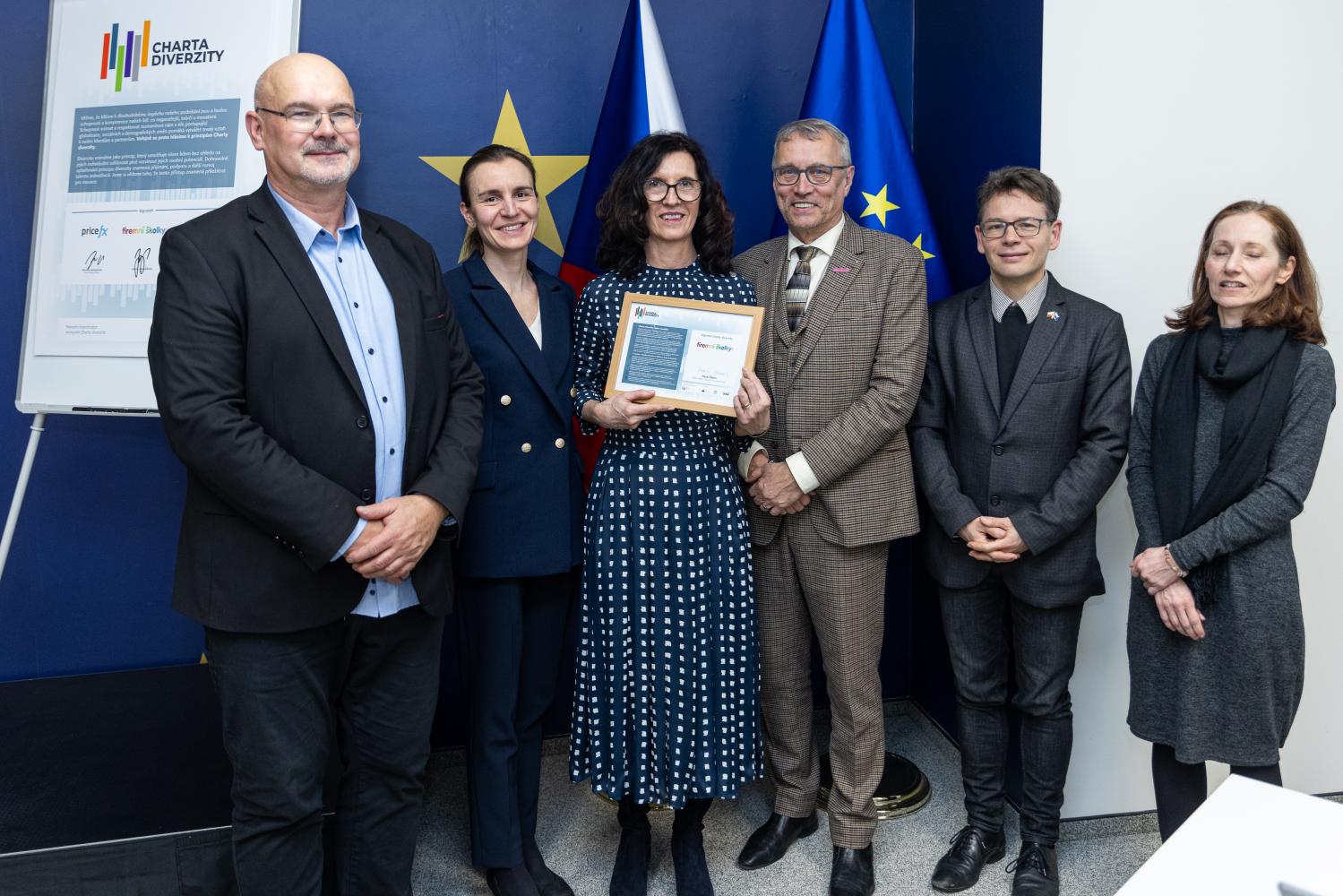
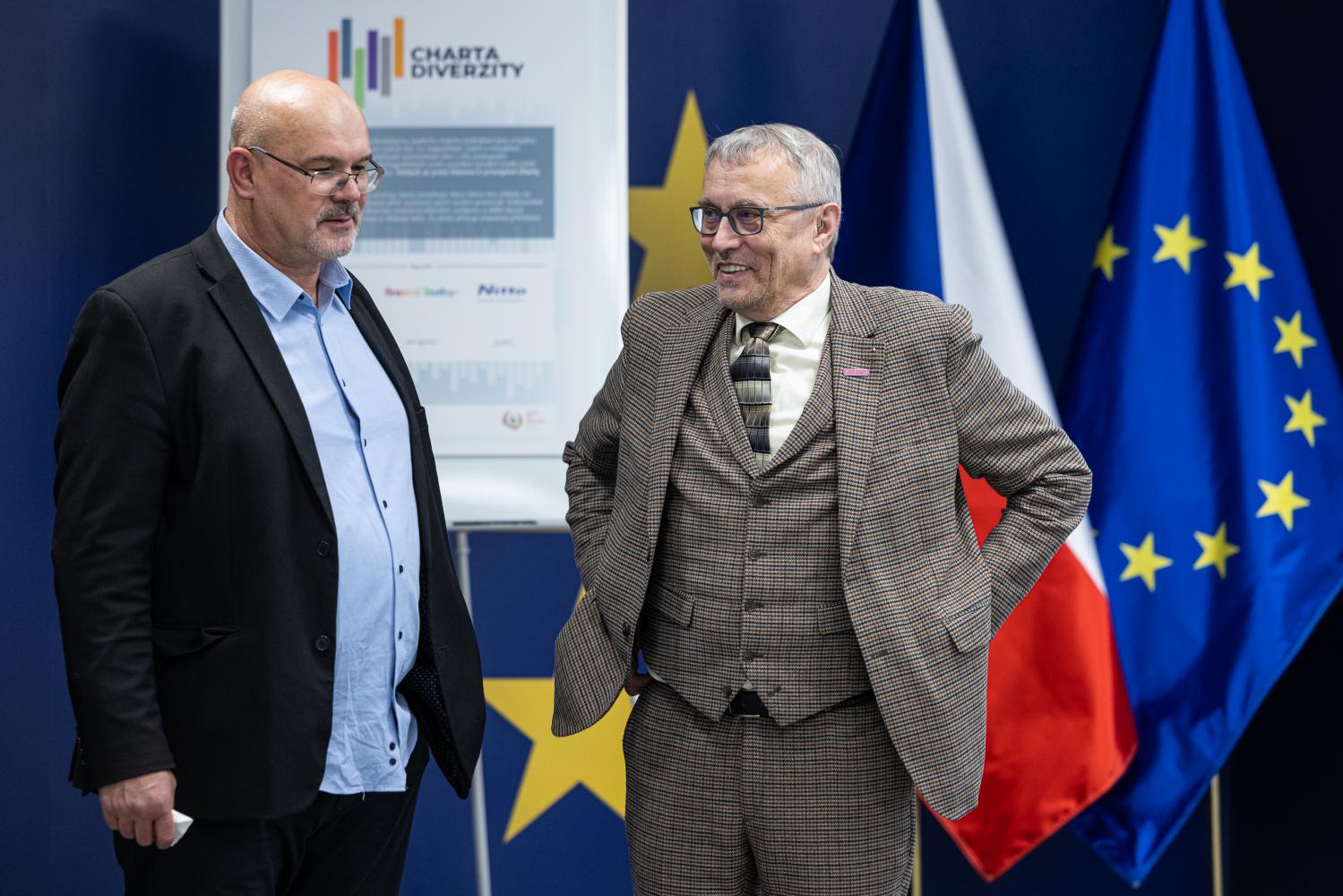
At the gathering, we also ceremonially welcomed new signatories of the Diversity Charter:
the companies Nitto Denko Czech s.r.o., Pricefx s.r.o., Firemní školky s.r.o.
Photogallery

BPS – Byznys pro společnost, z. s.
V Tůních 1357/11, 2nd floor
Praha 2, 120 00
Tel.: +420 739 717 789
info@byznysprospolecnost.cz
www.byznysprospolecnost.cz
Co-funded by the Rights, Equality and Citizenship Programme of the European Union